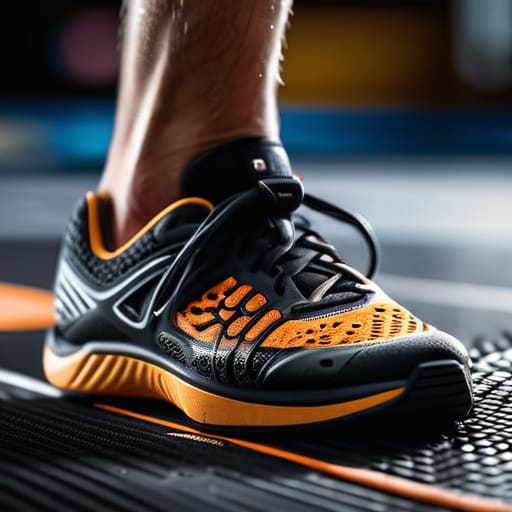
I still remember a heavy sparring session back in my early wrestling days where I felt like I was fighting the floor more than my opponent. Every time I tried to set my hips or drive through a shot, my feet would just slide right out from under me, leaving me vulnerable and completely off-balance. It wasn’t a lack of technique or strength that failed me in that moment; it was poor mat surface friction. People love to obsess over high-end brands or expensive footwear to solve their stability issues, but they’re ignoring the most basic reality: if your foundation is slick, your power is useless.
I’m not here to sell you on some magic cleaning spray or a boutique gear upgrade that promises the world. Instead, I’m going to give you the straight truth about how to manage mat surface friction so you can actually trust your movement. We’re going to talk about what really matters—from surface maintenance to how you position your weight—so you can stop worrying about slipping and start focusing on the work.
Table of Contents
- Mastering Surface Texture and Grip for Unshakable Stability
- The Real Cost of Rubber vs Foam Mat Traction
- Stop Sliding and Start Sticking: My Top 5 Rules for Mat Traction
- Quick Wins for Your Training Surface
- ## Friction is Your Silent Partner
- Stop Fighting Your Floor and Start Building Your Foundation
- Frequently Asked Questions
Mastering Surface Texture and Grip for Unshakable Stability
When you’re mid-drill and your foot suddenly slides out from under you, it’s not just a momentary lapse in focus—it’s a massive setback to your momentum. To build that unshakable stability, you have to look closely at the surface texture and grip of the gear you’re working on. I’ve seen too many athletes lose their edge because they were training on mats that felt more like ice than a training surface. If the texture is too smooth, you’re fighting the floor instead of your opponent; if it’s too aggressive, you’re going to end up with unnecessary skin abrasions.
Finding that sweet spot requires understanding the technical side of your gear. When I’m setting up a new training space, I look for materials that meet high slip resistance testing standards to ensure the floor stays predictable under pressure. It’s a common debate in the gym, but the reality of rubber vs foam mat traction is that they serve very different purposes for stability. Rubber offers that dense, grippy bite needed for heavy lifting and explosive wrestling shots, whereas foam is great for impact but can become a sliding hazard if the surface isn’t engineered correctly.
The Real Cost of Rubber vs Foam Mat Traction
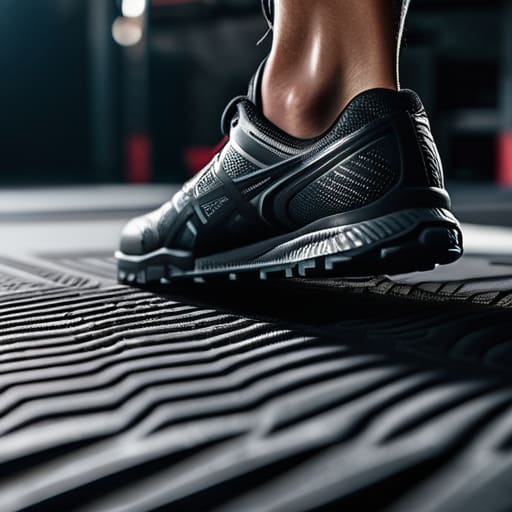
When you’re mid-sprawl or driving through a heavy shot, the last thing you should be thinking about is whether your feet are going to slide out from under you. This is where the debate of rubber vs foam mat traction actually matters for your safety. I’ve seen too many athletes in local gyms lose their footing because they were training on cheap, high-density foam that feels great for joints but offers zero lateral stability. Foam is fantastic for impact absorption, but if it lacks the right density, it can feel “mushy,” making it nearly impossible to find a solid base when the intensity ramps up.
On the flip side, rubber mats are the heavy hitters of the gym floor. They offer a much higher coefficient of friction for mats, meaning they bite into your shoes and skin much more effectively. While rubber is generally superior for preventing slips and falls during explosive movements, you have to keep an eye on mat material durability. Cheap rubber can degrade or become slick when it gets sweaty, so you need gear that can actually handle the grit of a real training session without turning into a skating rink.
Stop Sliding and Start Sticking: My Top 5 Rules for Mat Traction
- Check your footwear before you step out. If you’re training in worn-down soles or gym shoes with smooth bottoms, you’re basically asking to slip. Stick to wrestling shoes with high-quality gum rubber soles or go barefoot if the mat texture allows it.
- Keep the dust away. I’ve seen so many sessions ruined because someone tracked in fine dust or chalk that turned the mat into a slip-and-slide. A quick wipe-down with a damp cloth before you start makes a massive difference in how much bite you actually get.
- Mind the moisture. Sweat is inevitable, but if you’re working in a high-intensity drill, a puddle of sweat on a non-porous mat is a recipe for a nasty fall. Keep a dedicated towel nearby to clear your immediate training space so you aren’t fighting the floor while you’re trying to fight your partner.
- Test the “drag” factor. Before you go full speed into a takedown or a heavy lift, do a few controlled movements to see how much the mat grabs. You need to know if you’re working on a surface that offers consistent friction or one that’s going to give way when you put real pressure on it.
- Don’t skimp on mat quality for the sake of a cheap setup. I know budget matters, but thin, cheap foam mats compress too much under heavy loads, causing your feet to wobble and your stability to vanish. Invest in high-density mats that provide a firm, non-slip foundation for your movement.
Quick Wins for Your Training Surface
Stop compromising on cheap foam; if you’re doing high-intensity drills or heavy lifting, you need a high-density rubber surface that won’t slide out from under you when the sweat starts pouring.
Test your grip before the session starts—if your mat feels slick even when dry, it’s going to be a liability once your heart rate climbs and your hands get damp.
Match your mat texture to your movement; use high-friction surfaces for technical wrestling drills where stability is everything, but ensure they have enough “give” to protect your joints during impact.
## Friction is Your Silent Partner
“You can have the most technical takedown in the world, but if your feet are sliding out from under you because of a cheap mat, all that skill is wasted. Don’t mistake a lack of traction for a lack of technique; sometimes, you just need a surface that actually fights back with you.”
Tamsin Broadhurst
Stop Fighting Your Floor and Start Building Your Foundation
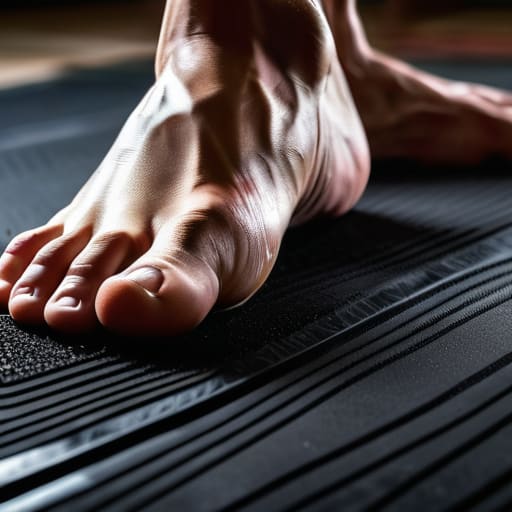
At the end of the day, your training environment shouldn’t be an obstacle you have to overcome every time you step onto the mat. We’ve looked at how texture affects your stability and why choosing the right material—whether it’s high-density rubber or specialized foam—is a non-negotiable for your safety and performance. If you’re constantly sliding or feeling like you’re skating on ice, you aren’t training; you’re just wasting energy trying to stay upright. Invest in the right surface friction so you can stop worrying about your footing and start focusing on the technical precision of your movements.
Remember, strength is a skill, and you can’t master a skill if your foundation is constantly shifting beneath you. I want you to walk into every session feeling completely capable and grounded, knowing that your gear is working as hard as you are. Don’t let a cheap, slippery mat be the reason you miss a lift or fail a takedown. Train with intention, respect the science of your equipment, and build a platform that allows your true grit to shine through without compromise. Now, grab your electrolytes and get to work.
Frequently Asked Questions
How often should I be cleaning my mats to make sure sweat buildup isn't turning my training space into a slip-and-slide?
If you’re training hard, you can’t wait until the end of the week to scrub. Sweat is basically liquid grease once it starts pooling, and that’s how you end up slipping mid-shot. I aim for a deep clean after every single session—no exceptions. If you have high-traffic days, wipe down the high-impact zones mid-workout. Keep that surface tacky, not slimy, so your grit is the only thing working, not your luck.
If I'm training in wrestling shoes versus barefoot, do I need to look for a different level of texture or friction?
Absolutely. Your footwear changes your entire relationship with the mat. When you’re barefoot, you’re relying on skin-to-surface friction, so you need a texture that’s grippy but not so abrasive it shreds your feet during a heavy scramble. If you’re in wrestling shoes, you’ve already got built-in traction, which means you can handle a slightly smoother surface without feeling like you’re sliding on ice. Adjust your expectations based on what’s on your feet.
Is there a way to restore the grip on my old mats if they've started feeling slick or worn down from heavy use?
Honestly, don’t try to “fix” them with some DIY hack; you’ll just end up making a mess and losing more traction. If they’re slick, it’s usually a buildup of sweat, skin oils, or even the wrong cleaning chemicals. Deep clean them with a dedicated mat disinfectant and a non-abrasive brush to strip that grime away. If the actual material is worn smooth or crumbling, it’s game over. At that point, replace them. Your joints—and your training—deserve better.
