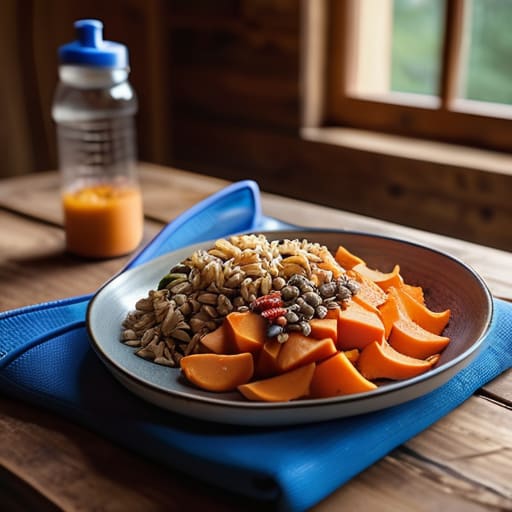
I still remember sitting on a sweat-soaked mat in a high school gym, feeling like my legs were made of lead during the second period of a tournament. I had followed every “expert” tip I could find, but I ended up crashing hard because I treated my nutrition like a math equation instead of actual fuel. There is so much garbage out there claiming that wrestling carb loading requires expensive supplements or some complex, scientific ritual that you can only find in a lab. Honestly? Most of that is just noise designed to empty your wallet. If you’re trying to time your meals perfectly but still feel like you’re running on fumes by the time you hit the center of the mat, you aren’t doing anything wrong—you’re just being fed nonsense.
I’m not here to give you a complicated meal plan that requires a degree in biochemistry to follow. My goal is to strip away the hype and give you the straight talk on how to use wrestling carb loading as a practical tool for performance. We’re going to focus on consistent, reliable fuel that keeps your energy stable when the matches get heavy. Consider this your no-nonsense guide to eating for capability, not just following a trend.
Table of Contents
- Maximizing Muscle Glycogen Through Intentional Fueling
- Complex vs Simple Carbohydrates for Athletes Choosing Your Engine
- My Non-Negotiable Rules for Loading Up Without the Bloat
- The Bottom Line: Training Your Nutrition Like a Skill
- ## Fueling the Fight
- Bringing It All Home
- Frequently Asked Questions
Maximizing Muscle Glycogen Through Intentional Fueling

To get the most out of your training, you have to understand that your muscles are essentially high-performance batteries. When we talk about maximizing muscle glycogen, we aren’t just talking about eating a big bowl of pasta; we are talking about ensuring those energy stores are topped off so you don’t hit a wall mid-scramble. If you show up to the mat with depleted stores, your technique will fail long before your lungs do. I’ve seen too many athletes try to grind through a tournament on empty, and it’s a recipe for injury and burnout.
The real secret lies in the timing and the type of fuel you choose. You want to focus on the distinction between complex vs simple carbohydrates for athletes to manage your energy flow. In the hours leading up to a match, lean into complex carbs—think oats or sweet potatoes—to provide a steady, slow-release stream of energy. As you get closer to the whistle, you can transition to something quicker. It’s about being intentional with your intake so that you’re hitting that sweet spot of being fueled without feeling heavy or sluggish on the mats.
Complex vs Simple Carbohydrates for Athletes Choosing Your Engine
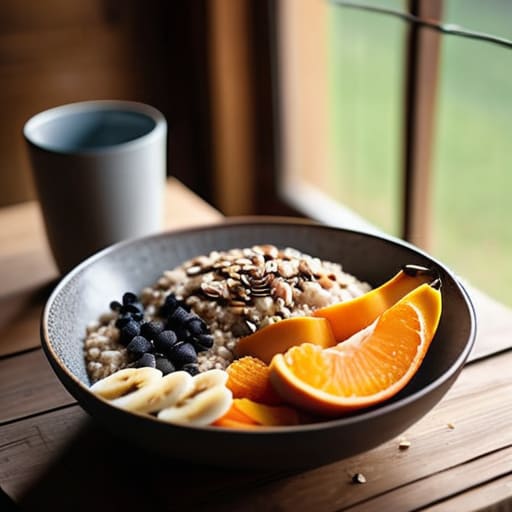
Think of your carbs as different types of fuel for a machine. If you’re looking at complex vs simple carbohydrates for athletes, you have to understand the timing. Complex carbs—think sweet potatoes, oats, or brown rice—are your slow-burn foundation. They provide a steady stream of energy that keeps your blood sugar stable, which is vital when you’re grinding through a long practice or a multi-match tournament day. You want these in your system hours before you step on the mat to ensure you aren’t crashing mid-bout.
Simple carbs, on the other hand, are your “emergency” fuel. These are things like fruit or even a specialized sports drink that hit your bloodstream almost instantly. When you’re in the middle of a heavy weight cut or dealing with the intense demands of wrestling weight management and fueling, you might need that quick spike to get through a high-intensity scramble. The goal isn’t to avoid sugar entirely; it’s about knowing when to use a quick burst versus when to rely on that sustained, heavy-duty energy that only complex grains can provide.
My Non-Negotiable Rules for Loading Up Without the Bloat
- Don’t wait until the night before the tournament to start eating more. Start scaling up your carb intake about 48 hours out so your muscles actually have time to soak up that glycogen.
- Stick to familiar foods. This isn’t the time to try a new “superfood” or a trendy recipe you saw on Instagram; if your gut isn’t used to it, you’re just asking for mid-match cramping.
- Prioritize liquid carbs if you’re feeling too full to eat. If a massive bowl of pasta feels heavy in your stomach, a high-quality electrolyte drink or fruit juice can help bridge the gap without the bloat.
- Watch the fiber intake as you get closer to weigh-ins. While complex carbs are great for training, too much fiber right before a match can make you feel sluggish and heavy in the gut.
- Hydration isn’t optional. Carbs need water to be stored as glycogen in your muscles, so if you’re loading up on fuel but skimping on your electrolytes, you’re wasting the effort.
The Bottom Line: Training Your Nutrition Like a Skill
Stop treating your meals like an afterthought; view carb loading as a deliberate part of your training cycle that prepares your muscles for the intensity of the mat.
Prioritize complex carbs in the days leading up to a match to build a steady foundation, then switch to simpler, easily digestible fuel right before you compete to avoid feeling heavy.
Focus on consistency over perfection—the goal isn’t to follow a rigid, stressful diet, but to ensure your glycogen stores are full enough to keep you moving when the match gets heavy.
## Fueling the Fight
“You wouldn’t step onto the mat with a dead battery, so stop treating your nutrition like an afterthought. Carb loading isn’t about stuffing your face before a match; it’s about strategically filling your tank so you have the actual power to finish that third period strong.”
Tamsin Broadhurst
Bringing It All Home

At the end of the day, carb loading isn’t about following some rigid, scientific ritual just for the sake of it; it’s about being intentional with your energy. We’ve talked about why you need to prioritize muscle glycogen and how to distinguish between the slow-burn fuel of complex carbs and the quick hit of simple sugars. If you get this right, you aren’t just showing up to the mat—you’re showing up fully prepared to handle the grind. Don’t treat your nutrition like an afterthought or a guessing game. When you treat your food as the fuel it is, you stop fighting your own body and start working with it to ensure you have the power to finish that third period strong.
I know how easy it is to get caught up in the stress of weight cuts and the chaos of tournament weekends, but remember that strength is a skill that requires the right foundation. You can put in all the hours in the wrestling room and all the sweat in the weight room, but you can’t out-train a depleted tank. Use this knowledge to build a body that is capable, resilient, and ready for whatever your opponent throws at you. Focus on the consistency of your fueling, trust the process, and own your performance from the first whistle to the final handshake.
Frequently Asked Questions
How do I balance carb loading with making weight if I'm cutting for a tournament?
This is the ultimate balancing act, but don’t let the scale dictate your performance. The goal is to manipulate glycogen, not just shed water. Focus on high-density, low-volume carbs in the final 48 hours. Think small portions of white rice or cream of rice—things that pack a lot of fuel without the bulk in your gut. You want your muscles fueled and your stomach light so you can hit your weight without hitting a wall.
Is it better to load up the night before a match or the morning of the competition?
The short answer? You need both, but they serve different purposes. Think of the night before as your foundation—that’s when you top off your glycogen stores so you aren’t starting in a deficit. But don’t stop there. The morning of the match is about keeping that engine idling. A light, carb-focused meal a few hours before you step on the mat ensures you have immediate energy ready to go when the whistle blows.
Will eating all these extra carbs make me feel heavy or sluggish on the mat?
That’s a fair concern, and honestly, it’s what keeps most athletes from doing this right. If you just smash a mountain of pasta right before you step on the mat, yeah, you’re going to feel like a lead weight. The goal isn’t to bloat; it’s to top off your tank. Time your biggest intake for the night before or several hours out. If you time it right, you’ll feel fueled, not heavy.
