
I still remember the smell of stale sweat and industrial floor cleaner in that basement gym where I spent my early twenties, staring at a lifting program that looked more like a math equation than a training plan. I was grinding through endless, fluff-filled sets that felt great in the mirror but did absolutely nothing when I was actually trying to finish a takedown. People love to overcomplicate things with fancy, high-tech gadgets or “revolutionary” new methods, but most of those trendy wrestling lifting techniques are just expensive ways to waste your time. If a movement doesn’t translate to the mat, it’s just noise.
I’m not here to sell you a miracle supplement or a complicated six-week transformation hack. My goal is to cut through the bullshit and give you the actual, science-backed movements that build real, functional power. We’re going to focus on the foundational wrestling lifting techniques that turn raw strength into mat capability, prioritizing consistency over hype. You’ll walk away with a clear understanding of how to fuel your body and train your muscles to be as resilient as they are strong.
Table of Contents
Compound Movements for Combat Sports Building Real World Force
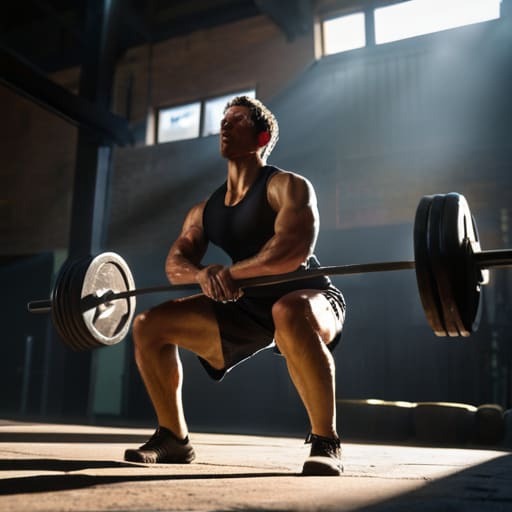
If you’re spending your time on isolation machines doing bicep curls, you’re wasting precious mat time. To actually move an opponent, you need to master compound movements for combat sports that force your body to work as a single, cohesive unit. I’m talking about the heavy hitters: deadlifts, squats, and cleans. These aren’t just about moving weight from point A to point B; they are about teaching your nervous system to recruit muscle fibers rapidly. When you’re deep in a scramble, you don’t have time to think about individual muscle groups—you need total body integration to drive through a shot or defend a takedown.
Focusing on these multi-joint lifts is the fastest way to develop the explosive power for wrestlers that separates the podium finishers from the rest of the pack. A solid deadlift builds that raw posterior chain strength needed to lift a resisting human being, while overhead presses translate directly to hand fighting and controlling ties. Don’t get distracted by the flashy stuff. Stick to the basics, load the bar, and build a foundation that makes you unshakeable on the mat.
Explosive Power for Wrestlers Turning Strength Into Action

There is a massive difference between being strong in a squat rack and being strong on a mat. You can have a massive deadlift, but if you can’t translate that force into a lightning-fast double leg, it’s just wasted energy. To bridge that gap, you need to focus on explosive power for wrestlers by training your nervous system to recruit muscle fibers instantly. I’m talking about movements like power cleans or medicine ball slams—drills that force you to move weight with intent and speed.
In my experience coaching, the goal isn’t just to move heavy objects; it’s to move them violently. When we integrate plyometrics and Olympic lift variations into a wrestling strength training program, we are teaching your body to snap into position. This is where functional strength for grappling actually happens. It’s about that split-second burst required to finish a takedown or defend a shot. If you aren’t training for velocity, you’re just building slow, heavy muscle that won’t help you when the match gets intense.
5 Non-Negotiables for Your Lifting Routine
- Prioritize your posterior chain. If you aren’t hitting heavy deadlifts or cleans, you aren’t building the pulling power needed to snap an opponent down or finish a high-crotch single.
- Stop chasing the pump and start chasing the load. Bodybuilding-style high-rep isolation work has its place, but on the mat, you need the neurological adaptation that comes from moving heavy weight with intent.
- Integrate unilateral work into every cycle. Wrestling is rarely a symmetrical sport; you’re constantly fighting from awkward, single-leg angles, so your training needs to reflect that instability through lunges and single-arm carries.
- Respect the recovery window. You can’t out-train a bad diet or a lack of sleep. If you’re hitting heavy triples in the gym but neglecting your protein intake and sleep, you’re just digging a hole you’ll never climb out of.
- Train for stability, not just strength. A massive bench press is useless if your core collapses the moment someone hits a sprawl on you. Build a rigid midsection that can transfer force from your legs to your upper body without leaking energy.
The Bottom Line: Training for the Mat
Stop chasing “the burn” and start chasing progress; focus on heavy, compound movements that actually translate to controlling an opponent.
Strength is useless if it’s slow, so prioritize explosive transitions to ensure your gym gains actually show up during a scramble.
Treat your nutrition as non-negotiable fuel, not a math problem, to ensure you have the recovery capacity to sustain a high-intensity training load.
Strength is Your Foundation
Stop training for the mirror and start training for the mat; if your lifting doesn’t translate into a more dominant double-leg or a more stable sprawl, you’re just moving weight, not building capability.
Tamsin Broadhurst
Putting the Work to the Mat

At the end of the day, your lifting program shouldn’t just be a collection of heavy numbers on a spreadsheet; it has to serve your performance on the mat. We’ve talked about why you need those foundational compound lifts to build a base, and why explosive, plyometric movements are what actually translate that strength into a successful double-leg takedown. If you aren’t connecting your gym sessions to your wrestling drills, you’re just going through the motions. Stop treating your lifting and your wrestling as two separate lives. Integrate them, focus on the mechanics, and make sure every rep is building the specific, functional power you need to control your opponent.
I know how exhausting it is to balance heavy lifting sessions with intense mat time, but remember that strength is a skill that requires patience and grit. There will be days when the bar feels heavier than usual or your lungs feel like they’re on fire, but that is exactly where the growth happens. Don’t train to look a certain way in the mirror; train so that when you’re in the third period and your body wants to quit, your foundation is too solid to let you break. Stay consistent, fuel your movement properly, and trust the process. You aren’t just building muscle; you’re building a more capable version of yourself.
Frequently Asked Questions
How do I balance heavy lifting sessions with a high-intensity wrestling practice schedule without burning out?
Listen, you can’t redline your engine 24/7 and expect to win. If you’re hitting heavy triples in the gym and then grinding through live wrestling drills, your CNS is going to scream. Period. Prioritize your wrestling sessions as your primary performance metric. On heavy lifting days, keep the volume low and the intensity high. If your mat work is peaking, pull back the accessory work. Eat more than you think you need, and don’t skip your recovery.
Should I be focusing more on maximal strength or explosive power if my main goal is better takedown defense?
If you’re looking to stop getting sprawled on, you actually need both, but for different reasons. Think of maximal strength as your foundation—it’s what keeps you heavy and hard to move when someone’s trying to drive through you. But explosive power? That’s what lets you react instantly to a shot. Focus on building that raw strength first so you have the capacity, then layer in the explosiveness to make your reactions lightning-fast.
Are there specific accessory lifts I should add to my routine to help prevent common injuries like neck or shoulder strain?
Don’t just chase the big lifts; you need to bulletproof the small stuff. For your neck, I swear by isometric holds and controlled neck flexions—stability is everything when you’re fighting for position. For shoulders, ditch the ego and focus on face pulls and kettlebell halos. These build the rotational stability and rear delt strength you need to keep your joints intact when things get heavy on the mat. Train for durability, not just power.
