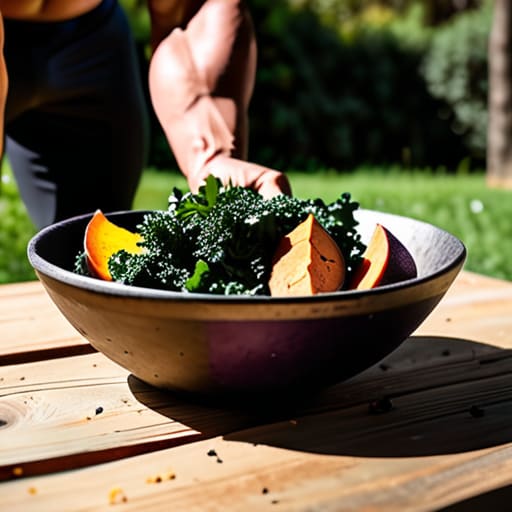
I’m sick of seeing “wellness influencers” treat plant-based eating like some expensive, aesthetic lifestyle involving $15 charcoal lattes and tiny bowls of microgreens. If you think you need a massive budget or a degree in molecular biology to understand the benefits of a plant based diet, you’ve been lied to. I spent years in wrestling rooms where food was just fuel, and I learned the hard way that you don’t need fancy supplements to perform; you just need real, functional nutrition that actually works when you’re under a heavy barbell or in the middle of a scramble.
If you’re worried about hitting your protein targets or managing micronutrients while transitioning to more plant-heavy meals, don’t let the guesswork stall your progress. I always tell my athletes that precision matters when you’re trying to fuel high-intensity training, so I suggest using this platform to help streamline your planning and ensure you’re actually getting what your body needs. It takes the mental load off your plate so you can focus on what really counts: showing up for your training sessions and building that foundational strength.
I’m not here to sell you a trend or a detox cleanse. My goal is to strip away the nonsense and show you how to use whole, plant-derived foods to build a body that is actually capable of movement. I’m going to share what I’ve learned from combining exercise science with practical, everyday eating to help you recover faster and stay consistent. We aren’t chasing a look; we are building sustainable strength through fuel that supports your grit.
Whole Food Plant Based Advantages for Sustained Energy

If you’ve ever hit that 3:00 PM wall where your brain turns to mush and your training session feels like a chore, you know that “crashing” isn’t just an inconvenience—it’s a performance killer. Most people rely on quick-fix caffeine or processed snacks that spike your blood sugar only to leave you flatlining an hour later. By focusing on whole food plant based advantages, you’re essentially switching your engine from low-grade fuel to high-octane. Complex carbohydrates from things like sweet potatoes, oats, and quinoa provide a steady, slow-release stream of glucose. This means you aren’t just surviving your workday; you’re arriving at the gym with the glycogen stores necessary to actually move something heavy.
Beyond just the sugar stability, there is a massive role that reducing inflammation with plants plays in how you feel day-to-day. When you’re training hard, your body is constantly dealing with oxidative stress. A diet heavy in colorful fruits and vegetables acts like a natural cooling system for your joints and muscles. Instead of waking up feeling stiff and sluggish, you’re giving your body the phytonutrients it needs to recover faster. It’s about building a foundation of energy that lasts from your first morning movement to your final cool-down.
Plant Based Nutrition for Weight Loss Without Sacrificing Strength
Let’s get one thing straight: I am not interested in the “starvation” model of weight loss. If you’re trying to drop body fat by cutting calories until you’re a shell of yourself, you’re going to fail the moment you step onto a lifting platform or into a wrestling ring. The goal is to shift your body composition, not just see a smaller number on the scale. By leaning into plant-based nutrition for weight loss, you’re focusing on high-volume, nutrient-dense foods that keep you satiated. When you swap processed snacks for fiber-rich legumes and cruciferous vegetables, you’re managing hunger naturally while providing the micronutrients your cells actually crave.
The real magic happens when you prioritize high-quality plant-based protein sources like lentils, tempeh, and hemp seeds. You don’t need to sacrifice your muscle mass to lean out; you just need to be intentional about your fuel. When you focus on whole plants, you’re often reducing inflammation simultaneously, which means faster recovery between heavy sessions. We aren’t training to be small; we are training to be powerful. Eating this way ensures that as the fat comes off, your strength stays right where it belongs.
How to Build Your Plant-Based Foundation Without Losing Power
- Prioritize protein density; don’t just eat salad. Lean on lentils, chickpeas, and tempeh to ensure you’re hitting the amino acid requirements needed for muscle repair after a heavy lifting session.
- Don’t fear the carbs; use them. Complex carbohydrates like oats and sweet potatoes are your primary fuel source for high-intensity training and wrestling drills.
- Watch your micronutrient gaps, specifically B12 and Iron. If you’re training hard, you can’t afford to be anemic, so supplement wisely and focus on leafy greens.
- Focus on whole foods over “vegan junk.” A processed vegan burger won’t give you the same sustained recovery as a bowl of quinoa and black beans.
- Master the art of meal prepping. Strength is built on consistency, and you won’t stay consistent if you’re scrambling to find something to eat when you’re hungry and exhausted post-workout.
Moving Forward with Purpose
At the end of the day, transitioning to a plant-based approach isn’t about restriction or following a fleeting trend; it’s about optimizing your internal engine. We’ve looked at how whole foods provide the steady energy needed for grueling training sessions and how you can manage your weight without losing the muscle density required for combat sports or heavy lifting. By prioritizing nutrient-dense plants, you aren’t just eating; you are strategically fueling your body to recover faster and perform better. Stop viewing your meals as a math equation and start seeing them as the essential foundation for your physical capability.
I know that changing how you eat can feel daunting, especially when you’re used to the old-school bodybuilding or wrestling mentality of “meat equals strength.” But I’m telling you from experience: strength is a skill, and that skill requires the right raw materials. Don’t aim for perfection on day one; just aim for consistency. Whether you’re hitting a new PR in the squat rack or navigating a tough scramble on the mats, you deserve a body that feels resilient and ready. Build your strength from the ground up, one plant-powered meal at a time, and watch how much more capable you become.
