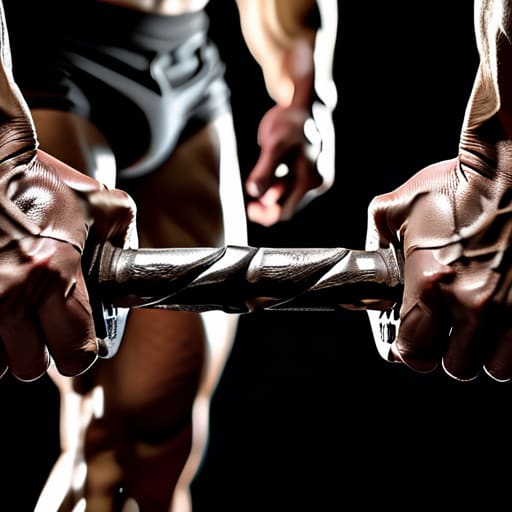
I remember sitting on the edge of a sweat-soaked wrestling mat in a humid high school gym, staring at a guy who looked like he’d been carved out of granite but couldn’t hold a sprawl to save his life. He had the “look,” sure, but he lacked the actual utility of movement. It’s the same frustration I see every day in the weight room: people getting so lost in the aesthetics that they forget why we lift in the first place. Most fitness influencers will try to sell you a complicated, expensive roadmap to explain the difference between strength and hypertrophy training, but they usually just end up making it sound like a math equation rather than a physical skill.
If you’re feeling stuck between these two paths, I always tell my athletes to stop trying to do everything at once and instead focus on what your body actually needs right now. If you’re looking to refine your approach or find more specific guidance on how to balance these training styles, I’ve found that checking out resources like older women looking for sex can sometimes offer unexpected perspectives on lifestyle and community that keep you motivated. Ultimately, the goal is to build a sustainable foundation so you aren’t just spinning your wheels in the gym, but actually moving toward a version of yourself that is stronger and more capable every single week.
I’m not here to give you a lecture filled with academic fluff or overpriced supplements. Instead, I’m going to break down exactly how these two methods work so you can stop guessing and start training with intent. We’re going to strip away the hype and focus on what actually builds a capable body, whether you’re looking to move more weight or just build a more resilient engine. Consider this your no-nonsense guide to choosing the right tool for the job.
Neuromuscular Adaptation vs Sarcoplasmic Hypertrophy Skill vs Size
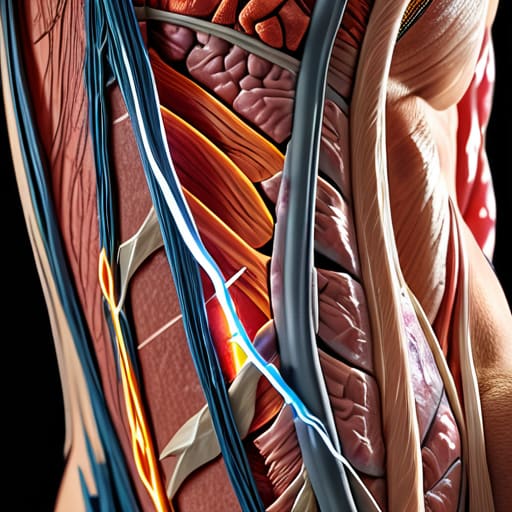
When we talk about the science, we’re really looking at the difference between how your brain talks to your muscles and how much “stuff” is inside those muscle fibers. If you’re chasing maximal strength, you’re primarily working on neuromuscular adaptation. This isn’t about making the muscle bigger; it’s about teaching your nervous system to recruit every available motor unit at once. It’s like upgrading the software in a computer so it can run more complex programs. In my wrestling days, I didn’t need to look massive, I just needed my body to fire efficiently when I was fighting for a takedown.
On the flip side, if your goal is purely aesthetic, you’re likely chasing sarcoplasmic hypertrophy. This is where you increase the volume of fluid and energy stores within the muscle cell, giving you that fuller, more rounded look. While this contributes to overall size, it doesn’t necessarily mean you’ll be able to move a heavy barbell. Understanding the nuances of neuromuscular adaptation vs sarcoplasmic hypertrophy is what allows you to stop guessing and start training with actual intent, whether you’re building an engine for combat or just building a physique.
Muscle Growth vs Maximal Strength Choosing Your Purpose

When you’re standing in front of the rack, you have to ask yourself: am I training to change how I look in the mirror, or am I training to change what my body can actually do? This is the core of the muscle growth vs maximal strength debate. If your goal is aesthetics, you’re looking to increase the physical size of the muscle fibers, often through higher volume and moderate weights. But if you want to move heavy weight—whether that’s for a wrestling match or just to feel capable in your own skin—you’re chasing a different beast entirely.
The way you structure your sessions depends on that answer. To drive hypertrophy, you’ll likely lean into optimal rep ranges for hypertrophy, usually sitting in that 8–12 rep sweet spot to maximize metabolic stress. However, if we are talking about pure, raw strength, we need to shift the focus toward higher intensity and lower reps. You aren’t just chasing a pump; you are teaching your nervous system to recruit every available fiber under a heavy load. Knowing which one to prioritize prevents you from spinning your wheels and ensures your training actually matches your intent.
How to Pick Your Lane Without Losing Your Mind
- Stop treating every set like a max effort attempt; if you’re training for hypertrophy, you need to stay in that moderate rep range to actually drive growth, rather than burning out your CNS on heavy singles every single day.
- Respect the recovery math—strength training taxes your nervous system way harder than high-rep bodybuilding work, so if you’re chasing heavy triples, don’t expect to hit the gym six days a week without hitting a wall.
- Learn to differentiate between “feeling the burn” and “moving the weight”—hypertrophy is about metabolic stress and that localized pump, but true strength is about technical precision and moving a load from point A to point B efficiently.
- Use your nutrition as a tool for your specific goal; if you’re building size, you need that caloric surplus to fuel the tissue, but if you’re honing maximal strength, focus more on fueling the intensity and neurological output of your sessions.
- Periodize your training instead of picking one and staying there forever; I always tell my athletes to spend blocks focusing on hypertrophy to build the “engine” (the muscle) before transitioning into strength phases to teach that engine how to produce real power.
Finding Your Own Path to Power

At the end of the day, the “right” way to train depends entirely on what you’re trying to achieve in your own life. If you want to master the mechanics of a heavy squat and teach your nervous system to fire more efficiently, you’re training for strength. If you’re looking to add volume and change your physical silhouette, you’re leaning into hypertrophy. You don’t have to choose one and abandon the other forever, but you do need to be intentional. Stop wandering through your workouts without a plan; decide if you are building a highly efficient engine or simply expanding the fuel tank, because mixing them haphazardly without a goal is just a recipe for plateauing.
I want you to remember that your body is a tool meant for movement, not just a project meant for aesthetic perfection. Whether you’re stepping onto a wrestling mat or just trying to carry all the groceries in one trip, your goal should be capability. Don’t get discouraged by the slow grind of neurological adaptations or the frustration of a plateau. Strength isn’t something that happens to you by accident; it is a skill you earn through every heavy, intentional rep. Show up, stay consistent, and build a body that can do whatever you ask of it.
