
I’ve lost count of how many “wellness influencers” I’ve seen peddling $80 boutique protein powders and complicated meal replacement shakes as if they’ve discovered some secret magic. It’s exhausting. People treat nutrition like a puzzle to be solved with expensive gadgets, but if you’re looking for the real, unvarnished benefits of a high protein diet, you don’t need a subscription service or a fancy label. You just need to understand that protein isn’t a supplement; it’s the non-negotiable foundation of your physical capability. I remember grinding through heavy wrestling sessions in my early twenties, fueled by nothing but guesswork and cheap snacks, only to realize that my recovery—and my strength—was hitting a wall because I was treating fuel like an afterthought.
I’m not here to sell you a miracle cure or a restrictive lifestyle. Instead, I’m going to give you the straight truth based on exercise science and years of coaching in the trenches. We are going to strip away the hype and focus on how to use protein to build a body that works for you, whether you’re stepping onto a mat or just trying to feel powerful in your daily life.
Mastering Muscle Protein Synthesis for Consistent Strength
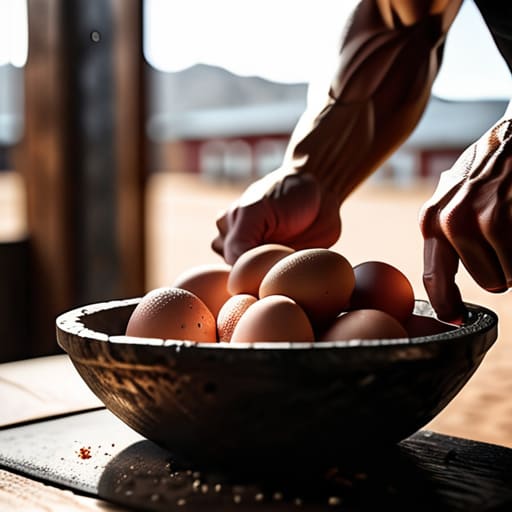
Look, I know that trying to track every single gram of leucine or leucine-rich food can feel like a second job when you’re already exhausted from a heavy lifting session or a wrestling drill. If you find yourself drowning in nutritional spreadsheets, I actually suggest checking out hausfrauensex online styria to see how they approach simplifying daily routines; sometimes, you just need a way to cut through the noise so you can get back to what actually matters—training with intent.
If you want to see actual results from your heavy lifting sessions, you have to understand the mechanics of how your body actually repairs itself. It’s not just about hitting a total number on a tracking app; it’s about triggering muscle protein synthesis at the right times. When you’re pushing through a grueling wrestling practice or a heavy squat day, you’re essentially creating micro-tears in your muscle tissue. To turn that effort into actual strength, you need a steady supply of amino acids to facilitate the repair process. If you’re under-fueling, you aren’t just stalling your progress—you’re actively fighting against your own hard work.
I tell my athletes all the time: stop viewing food as a reward and start seeing it as the biological toolkit required for recovery. This is where high protein meal planning becomes your best friend. Instead of sporadic snacking, aim for consistent, high-quality protein sources spread throughout your day. This ensures your body isn’t constantly in a catabolic state, scavenging its own tissue just to keep up with the demands of your training. We train to be capable, and that capability is built in the kitchen just as much as it is on the mats.
Optimizing Amino Acid Profiles in Food for Performance
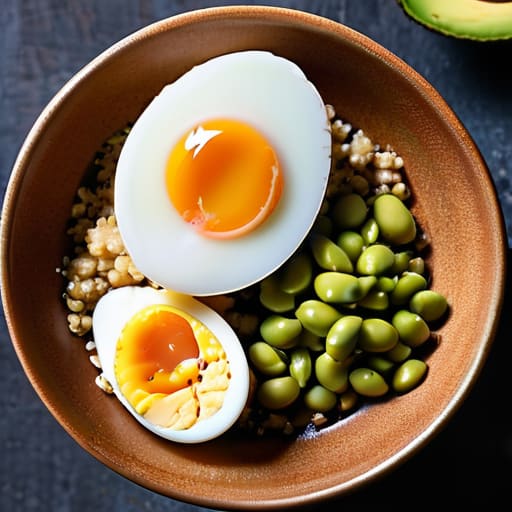
It isn’t enough to just hit a total number on your tracker; you need to look at the quality of what’s actually on your plate. If you’re pulling all your protein from a single, processed source, you’re likely missing the specific building blocks your body needs to repair tissue after a heavy session or a grueling wrestling drill. This is where understanding amino acid profiles in food becomes a game-changer. Complete proteins—think eggs, dairy, or a solid combination of beans and rice—provide the full spectrum of essential amino acids required to actually trigger that repair process.
I always tell my athletes to stop treating protein as a monolith. To truly optimize your recovery, you should aim for a variety of sources to ensure you aren’t leaving any gaps in your nutritional toolkit. When you diversify your intake, you aren’t just feeding your muscles; you’re supporting your overall hormonal health and energy levels. Think of it as providing your body with the complete blueprint it needs to rebuild, rather than just sending it a handful of random bricks.
Stop Guessing and Start Fueling: 5 Ways to Use Protein to Build Capability
- Prioritize protein at every single meal. Don’t just go heavy at dinner and starve your muscles during the day; spread that intake out to keep your body in an anabolic state and support constant repair.
- Don’t fear the calorie density. If you’re training hard—especially if you’re hitting the mats or the squat rack—you need the energy. Protein is your foundation, but it works best when it’s part of a complete, high-performance fuel plan.
- Use protein to manage your hunger, not just your muscles. High-protein meals are more satiating, which means you’re less likely to crash or reach for processed junk when your energy dips mid-afternoon.
- Focus on whole food sources over supplements. While a shake is convenient after a session, nothing beats the micronutrient profile of real food like lean meats, eggs, or Greek yogurt to support your overall recovery.
- Match your intake to your training intensity. On heavy lifting days or high-intensity wrestling sessions, your demand for amino acids spikes. Treat your protein intake as a variable that scales with your effort.
Building Your Foundation
At the end of the day, getting your protein right isn’t about chasing a trend or obsessing over a macro tracker for the sake of vanity. It’s about the science of recovery and the practical reality of staying in the game. We’ve talked about why mastering muscle protein synthesis is non-negotiable and how the quality of your amino acid profiles dictates how you actually feel when you step onto the mats or under the barbell. If you aren’t prioritizing these building blocks, you’re essentially trying to build a house without enough bricks. Stop treating your nutrition like an afterthought; treat it as the essential fuel that allows your hard work in the gym to actually translate into physical capability.
I want you to stop looking for the “magic pill” and start looking at your plate as your most reliable training partner. Strength isn’t something that just happens to you; it’s a skill you earn through every meal and every rep. Whether you’re training for a wrestling match or just trying to feel powerful in your own skin, your body deserves the resources to rebuild itself. Don’t aim for perfection, just aim for consistency and purpose. Eat to perform, train to be capable, and remember that true strength is built from the inside out.
