I still remember the smell of stale sweat and industrial disinfectant in those old wrestling rooms, the kind that seemed to seep into your very pores. I’d finish a grueling two-a-day session, feeling less like an athlete and more like a collection of bruised, swollen parts, only to see people online pushing $80 “miracle” supplements to fix it. Honestly, it’s exhausting. Most of the advice out there regarding wrestling inflammation management is just expensive noise designed to separate you from your paycheck. You don’t need a magic pill to stop the ache; you need a strategy that actually respects the physical toll this sport takes on your body.
I’m not here to sell you a lifestyle or a detox tea. My goal is to give you the straight truth based on exercise science and my years on the mats. We’re going to cut through the hype and focus on practical, repeatable habits—from targeted nutrition to intentional recovery—that actually work. I want to help you manage the swelling and the soreness so you can stop fighting your own body and start focusing on your next match.
Table of Contents
- Combatting Exercise Induced Oxidative Stress Through Consistent Recovery
- Managing Systemic Inflammation in Wrestlers for Long Term Capability
- My Non-Negotiables for Keeping Inflammation in Check
- The Bottom Line: Building a Resilient Body
- Recovery is a Training Requirement
- The Long Game of Recovery
- Frequently Asked Questions
Combatting Exercise Induced Oxidative Stress Through Consistent Recovery
When you’re grinding through a heavy wrestling session or a high-intensity lifting block, your body is essentially running a race against its own metabolic byproducts. All that intense, explosive movement triggers the production of free radicals, which can lead to cellular damage if you aren’t careful. This is where combatting exercise-induced oxidative stress becomes a non-negotiable part of your routine. If you ignore this, you aren’t just feeling “sore”—you’re actively slowing down your ability to adapt and get stronger.
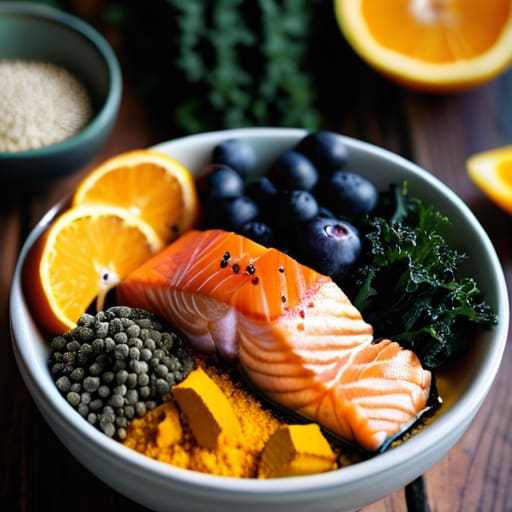
I tell my athletes that recovery isn’t a luxury; it’s a physiological requirement. To keep your body from redlining, you need to integrate specific dietary strategies for athletes that prioritize antioxidant-rich foods. Think colorful berries, leafy greens, and high-quality fats that help neutralize that stress. It’s about providing your system with the tools to repair the damage in real-time. When you focus on these small, consistent nutritional wins, you aren’t just managing discomfort; you’re building a more resilient foundation for the long haul.
Managing Systemic Inflammation in Wrestlers for Long Term Capability

When we talk about managing systemic inflammation in wrestlers, we have to look beyond just the immediate soreness from a heavy sparring session. If you’re constantly pushing your body to the limit without addressing the internal environment, you aren’t just tired—you’re becoming systemically compromised. This isn’t just about feeling “beat up”; it’s about how your body handles the cumulative stress of weight cuts, high-intensity drilling, and the physical toll of grappling. If your baseline inflammation stays elevated, your ability to recover between sessions tanks, and that’s where we see the real breakdown in performance.
I always tell my athletes that combat sports injury prevention starts in the kitchen and the sleep schedule, not just on the mats. You can’t out-train a lifestyle that ignores systemic recovery. Integrating specific dietary strategies for athletes—like prioritizing omega-3 fatty acids and colorful, antioxidant-rich whole foods—is non-negotiable for long-term capability. We aren’t just training for the next tournament; we are training to ensure your body stays resilient and capable for years to come, rather than burning out before you even hit your prime.
My Non-Negotiables for Keeping Inflammation in Check
- Stop treating hydration like an afterthought; if you aren’t sipping electrolytes throughout your session, you’re essentially inviting systemic stress to take up residence in your joints.
- Prioritize protein and micronutrient density over calorie restriction, because trying to “cut weight” by starving yourself is just a fast track to chronic inflammation and stalled recovery.
- Build restorative movement into your schedule—think yoga or light mobility work—rather than just sitting on the couch, because stagnant tissue is harder to recover than active tissue.
- Get your sleep dialed in as a non-negotiable training metric, because your body does its heavy lifting on cellular repair while you’re unconscious, not while you’re under a barbell.
- Use cold exposure or heat therapy strategically, but don’t rely on them as magic bullets; they are tools to support a foundation of solid nutrition and consistent movement, not replacements for them.
The Bottom Line: Building a Resilient Body
Stop treating recovery as an afterthought; view your nutrition and rest as active training sessions that dictate how well you can perform on the mat tomorrow.
Focus on consistent, small wins in your anti-inflammatory habits rather than looking for a quick fix or a magic supplement to undo a week of hard training.
Listen to your body’s signals to distinguish between productive training soreness and systemic inflammation that’s actually stalling your progress.
Recovery is a Training Requirement
“Stop treating inflammation like an enemy to be defeated and start treating it like a signal to be listened to; if you don’t respect your body’s need to recover, you’re just training yourself to break.”
Tamsin Broadhurst
The Long Game of Recovery

At the end of the day, managing inflammation isn’t about finding a magic pill or a fancy supplement stack; it’s about the boring, essential stuff you do when no one is watching. We’ve talked about tackling oxidative stress and keeping systemic inflammation in check so you don’t burn out mid-season. It comes down to prioritizing your fuel and respecting the recovery window just as much as you respect your heavy lifting sessions or your drilling time. If you ignore the signals your body is sending you, you aren’t being tough—you’re just being inefficient. Consistency in your recovery is what allows you to stay consistent on the mat.
I want you to remember that your body is a high-performance machine, not a disposable tool. Wrestling is demanding, and it’s going to take a toll, but how you respond to that toll determines how long you stay in the game. Don’t train just to see how much damage you can take; train to build a body that is resilient and capable for years to come. Strength is a skill, and so is longevity. Now, grab your electrolytes, get some actual sleep, and show up tomorrow ready to work.
Frequently Asked Questions
How can I tell the difference between normal muscle soreness and actual inflammation that needs addressing?
Look, there’s a big difference between the “good” ache of a hard session and the “bad” kind of inflammation. DOMS usually hits 24 to 48 hours later and feels like a dull, localized stiffness that fades as you move. But if you’re feeling heat in the joint, seeing visible swelling, or experiencing a sharp, throbbing pain that doesn’t budge after a warm-up, that’s your body signaling actual inflammation. Listen to it; don’t just power through.
Are there specific foods I should avoid during a heavy training block to keep inflammation from spiking?
Look, during a heavy training block, your body is already under massive physiological stress. Don’t add fuel to the fire by eating junk. Cut back on highly processed sugars and refined seed oils; they’re pro-inflammatory traps that’ll leave you feeling sluggish. Also, watch the excessive alcohol—it wrecks your recovery and sleep quality. Keep it simple: stick to whole foods that actually fuel your movement rather than just filling space.
How much does sleep actually impact my ability to recover from the physical toll of wrestling matches?
Look, if you aren’t prioritizing sleep, you’re leaving your performance on the mat. Sleep isn’t just “down time”; it’s when your body actually does the heavy lifting of tissue repair and hormonal regulation. When you’re grinding through matches, sleep deprivation spikes your cortisol and keeps inflammation high, making you feel sluggish and injury-prone. Think of it as your most essential recovery tool. You can’t out-train or out-eat a massive sleep deficit.
