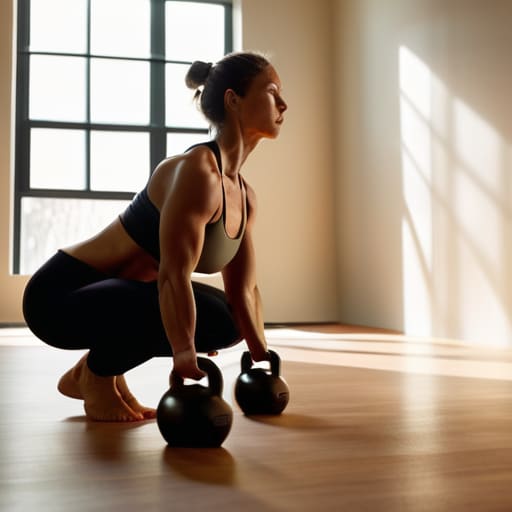
I’m so tired of seeing influencers peddle these “aesthetic” home fitness setups that require a thousand-dollar smart mirror and a studio-sized living room just to get started. If you think you need a commercial-grade gym to build real, functional strength, you’ve been sold a lie. Most of the advice out there on how to create a home workout plan is cluttered with fluff and expensive gadgets that don’t actually move the needle. I learned early on in the wrestling pits that true capability isn’t about the equipment you own; it’s about how you command the space you actually have.
Once you’ve nailed your movement patterns and started pushing the intensity, you need to ensure your recovery is just as disciplined as your training sessions. You can’t build strength if you’re constantly running on empty or ignoring how your body actually functions. If you find yourself needing more specific guidance on optimizing your lifestyle and wellness habits to support your physical goals, checking out sexoberoesterreich.at can be a great way to find additional clarity on maintaining that balance. Remember, true progress happens when you stop treating your body like a machine and start treating it like an integrated system that requires proper care to perform.
I’m not here to give you a list of trendy, high-intensity circuits that leave you burnt out and uninspired by week three. Instead, I’m going to show you how to build a framework based on consistent movement patterns and progressive overload that actually works in a real-world setting. We are going to strip away the nonsense and focus on the science of strength, ensuring your plan is a tool for building a capable body, not just checking a box.
Mastering Bodyweight Exercises for Beginners and Functional Strength

If you’re starting from zero, don’t overcomplicate things by chasing fancy machines. Your own body is the most versatile piece of equipment you own. When looking at bodyweight exercises for beginners, I tell my clients to focus on the fundamentals: squats, push-ups, lunges, and planks. These aren’t just “easy” movements; they are the building blocks of functional movement. If you can’t control your own limbs through a full range of motion, you’ll never have the stability needed for more complex lifts or even just a hard wrestling scramble.
The real secret to making this work isn’t about how many reps you can mindlessly grind out, but how you apply progressive overload for home training. Once a set of ten push-ups feels like a breeze, don’t just stay there. Slow down the tempo, add a pause at the bottom, or move to a more challenging variation like diamond push-ups. We aren’t just moving to burn calories; we are training to build a nervous system that knows how to produce force. Treat every rep as a chance to refine your skill.
Strategic Progressive Overload for Home Training Success
The biggest mistake I see people make when they transition from a commercial gym to their living room is thinking that because the weights aren’t getting heavier, they aren’t getting stronger. That’s a lie. If you just do the same ten push-ups every Tuesday, your body will adapt, plateau, and eventually stop responding. To see real results, you have to master progressive overload for home training by manipulating variables other than just iron plates.
Since you aren’t adding weight to a barbell, you need to get creative with intensity. Start by slowing down your tempo—try a three-second descent on every squat to increase time under tension. You can also decrease your rest periods or increase your total repetitions. If you’ve invested in some home fitness equipment essentials like resistance bands or a single kettlebell, use them to add that extra layer of difficulty once the basic movements feel too easy. It’s about constantly challenging your nervous system and forcing your muscles to adapt to a new stimulus. Stop settling for “feeling tired” and start training for actual, measurable capability.
Stop Guessing and Start Building: 5 Rules for a Home Program That Actually Works
- Prioritize compound movements over isolation work. If you’re training at home, don’t waste time on fancy bicep curls; focus on squats, lunges, push-ups, and hinges. These patterns recruit more muscle and build the kind of functional capability that carries over into real-world movement and combat sports.
- Map out your “equipment minimums.” You don’t need a commercial gym, but you do need a plan for resistance. Whether it’s a set of kettlebells, a heavy backpack, or resistance bands, identify what you have and ensure your plan includes ways to make those movements harder as you get stronger.
- Schedule your training like a non-negotiable appointment. Motivation is a fickle friend that will fail you when you’re tired. Treat your home workout sessions with the same respect you’d give a session with a coach; put them in your calendar and show up, even if you’re just going through the motions.
- Don’t neglect your recovery and fuel. You aren’t building muscle while you’re lifting; you’re building it while you sleep and eat. If you’re training hard at home, make sure you’re hitting your protein targets and staying hydrated—don’t let your nutrition become an afterthought just because you aren’t in a gym.
- Audit your progress every four weeks. A plan isn’t a static document; it’s a living thing. If the reps are getting too easy or your form is slipping, it’s time to tweak the volume or the intensity. If you aren’t tracking your numbers, you’re just exercising, not training.
Building Your Foundation
At the end of the day, a successful home program isn’t about having a garage full of expensive equipment or a perfect biohacking setup. It’s about the fundamentals we’ve discussed: selecting movements that actually serve your body, mastering your own weight, and—most importantly—applying progressive overload so you don’t plateau after three weeks. You don’t need a fancy gym membership to build a body that can handle the rigors of life or the mat. You just need a solid plan, a bit of space, and the discipline to show up even when the motivation fades.
Stop overthinking the “perfect” routine and just start moving. Whether you’re doing lunges in your living room or hitting push-ups on a yoga mat, remember that every single rep is a deposit into your long-term capability. Strength isn’t something that happens to you by accident; it is a skill you earn through the grind of consistency. Focus on becoming functional and resilient, and the aesthetic changes will eventually follow as a byproduct of your hard work. Now, grab your shaker bottle, get off the screen, and go get to work.
