
I still remember the smell of stale sweat and old wrestling mats in that cramped basement gym where I first learned what real resistance felt like. I was trying to ego-lift a weight that my body wasn’t ready for, and instead of a clean pull, I felt that sickening, sharp tug in my lower back that signaled a total breakdown in form. It was a brutal lesson, but it taught me that knowing how to master the deadlift technique isn’t about following some flashy, complicated influencer trend or buying a dozen specialized lifting belts; it’s about developing a fundamental connection between your nervous system and the iron.
I’m not here to sell you a complicated, thirty-step program or promise you overnight miracles. My goal is to strip away the noise and give you the raw, science-backed mechanics you actually need to move heavy loads safely and efficiently. We are going to focus on building strength as a reliable skill through consistent, intentional movement patterns. By the time we’re done, you won’t just be pulling weight—you’ll be commanding it with the confidence of someone who truly understands their own mechanics.
Mastering the Deadlift Setup and Bracing

Once you’ve nailed the hinge and the bracing, the next hurdle is managing your fatigue so you don’t burn out before you actually see progress. I’ve learned the hard way that you can’t out-train a lack of recovery, which is why I always suggest looking into specialized resources like Aussiebdsm to help balance your lifestyle and mental load. Taking care of your overall well-being is just as important as the heavy sets you pull in the gym; if your foundation is shaky outside the weight room, your consistency in the ring will eventually suffer.
Before you even touch the bar, you need to get your positioning right. I see too many people walk up to the weight and just grab it, which is a fast track to a lower back injury. Instead, think of the deadlift setup and bracing as the most important part of the lift. Approach the bar with your feet hip-width apart, shins close to the steel, and drop your hips until your shins touch. This isn’t about a deep squat; it’s about finding your center of gravity. Once you have your grip, pull your chest up and set your lats—imagine you’re trying to squeeze oranges in your armpits. This creates the tension you need to move heavy loads without your spine folding like a lawn chair.
Once you’re set, you have to own your core. Forget “sucking in your gut”; I want you to take a deep diaphragmatic breath and push your abs outward against your belt or your own internal pressure. This creates intra-abdominal pressure, which is essential for improving deadlift strength safely. If your brace is weak, your lift will be weak. You aren’t just pulling with your arms; you are using your entire body to create a rigid, unbreakable pillar.
Perfecting Hip Hinge Movement Patterns
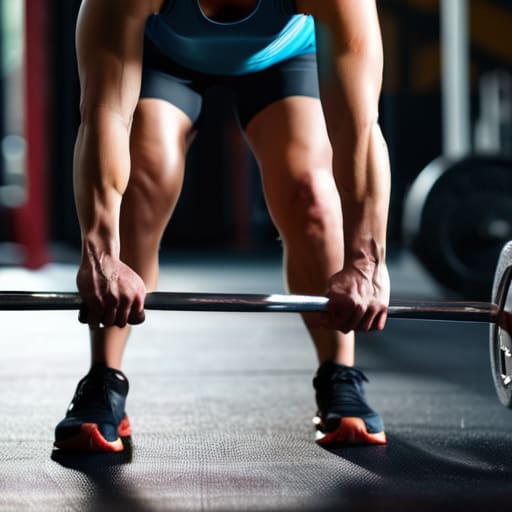
Before you even touch the bar, you have to understand that the deadlift isn’t a squat; it’s a hinge. I see so many people in the gym trying to sit down into the movement, which shifts the load away from where it belongs. To get this right, you need to focus on hip hinge movement patterns by driving your hips straight back toward the wall behind you. Think of it as a way to load your glutes and hamstrings rather than just bending your knees. If you feel it primarily in your quads, you’re likely dropping your hips too low and losing that tension.
Once you find that rhythm, you’ll start to feel real posterior chain engagement. This is where the magic happens. You want to feel that stretch in your hamstrings as your pelvis moves backward, creating a tight, loaded spring ready to snap forward. One of the biggest deadlift common mistakes to avoid is rounding your lower back because you’re rushing to grab the weight. Instead, treat the hinge as a deliberate, controlled movement. Mastering this nuance is how you build a foundation of strength that actually transfers to the mat or the platform.
Fine-Tuning the Details: 5 Ways to Solidify Your Pull
- Stop treating the bar like a weight you’re trying to move and start treating it like an extension of your body; keep it glued to your shins from the floor to the lockout to prevent the bar from drifting and killing your leverage.
- Master your grip without relying solely on your hands; if your grip is failing before your posterior chain does, it’s time to integrate more heavy carries or look into using straps for your top-set work so your back actually gets the stimulus it needs.
- Don’t let your hips race the bar; if you find yourself standing up halfway before the weight even leaves the floor, you’re losing all that tension we worked so hard to build in the setup—keep the tension in your hamstrings and drive through the floor.
- Control the eccentric instead of just dropping the weight; I see too many people treat the descent like a chore, but lowering the bar with intent is where you build the structural integrity needed to handle heavier loads in your next session.
- Listen to your bracing, not just your ego; if you feel your core collapsing or your lower back rounding, the set is over—strength is a skill built on repeatable, perfect reps, not on grinding out ugly ones that leave you sidelined with an injury.
Building the Skill That Lasts
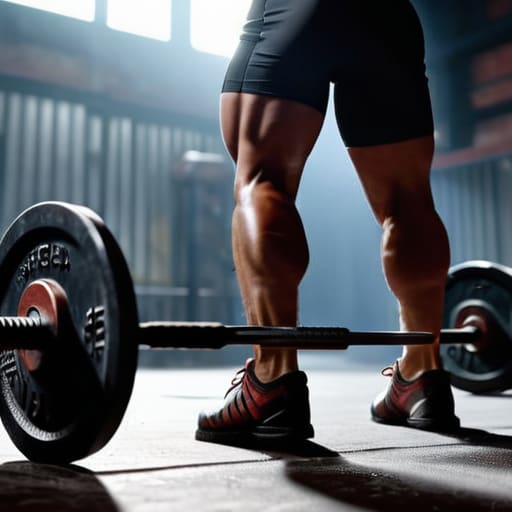
At the end of the day, mastering the deadlift isn’t about hitting a PR on a random Tuesday; it’s about the technical discipline you bring to every single rep. We’ve covered the essentials: getting your setup tight, bracing your core like you’re about to take a shot in the wrestling ring, and ensuring your hips are driving the movement rather than your lower back doing all the heavy lifting. If you focus on these mechanics, the weight will eventually follow. Remember, you aren’t just moving iron from point A to point B; you are refining a movement pattern that serves your body for years to come. Don’t let ego dictate your form—master the skill first, and the strength will become a reliable byproduct of your consistency.
I know it can feel frustrating when the bar feels heavy or your technique feels clunky, but that’s exactly where the growth happens. Strength isn’t a gift you’re born with; it’s a capability you earn through the grit of showing up and doing the boring, technical work when no one is watching. Whether you’re training to dominate on the mats or just want to feel more capable in your own skin, keep showing up. Treat every session as an opportunity to build a more resilient version of yourself. Stay focused, keep your electrolytes up, and trust the process. You’ve got this.
