
I still remember the suffocating heat of the wrestling room during my early twenties, sitting on a sweat-soaked mat and staring at a scale that felt more like a judge than a tool. Back then, I thought wrestling weight management meant starving myself until my brain felt like fog and my muscles felt like lead. I fell for the lie that being “light” was the same thing as being ready to compete, ignoring the fact that I was actually just eroding my own strength just to hit a number.
I’m done with that cycle, and you should be too. In this guide, I’m stripping away the nonsense and the “starve-to-win” culture to give you a blueprint for wrestling weight management that actually works. We aren’t going to play guessing games with your metabolism or rely on expensive, useless supplements. Instead, I’m sharing the science-based, practical approach I use with my own athletes to help them hit their marks while staying powerful on the mat. We train to be capable, not just small, and that starts with how we fuel the grind.
Table of Contents
Wrestler Nutrition for Weight Classes Fueling the Movement
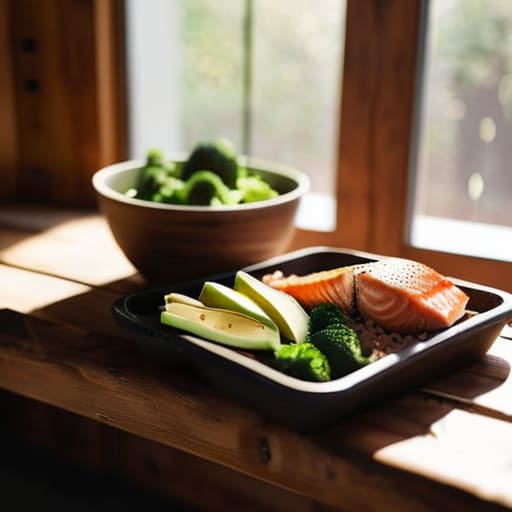
When you’re staring down a weight class, it’s easy to fall into the trap of thinking “less is more.” But if you’re starving yourself to hit a number on the scale, you aren’t training; you’re just surviving. Effective wrestler nutrition for weight classes isn’t about deprivation—it’s about precision. I want you to view your food as the high-grade fuel required to power through a grueling practice and still have the explosive strength needed for a double-leg takedown. We need to focus on nutrient density rather than just calorie counting, ensuring every bite serves a purpose for your performance and metabolic health.
The real danger starts when people prioritize the scale over their actual physical state. I see too many athletes neglecting combat sports weight cutting safety by chasing extreme deficits that tank their hormones and energy. Instead of drastic cuts, focus on managing body composition for wrestlers through steady, consistent habits. This means prioritizing high-quality proteins and complex carbs that keep your blood sugar stable. If you approach your diet as a way to build a more capable machine rather than a way to shrink yourself, you’ll find you hit your weight without losing the power that makes you dangerous on the mat.
Managing Body Composition for Wrestlers Without Losing Strength

Look, I’ve seen too many athletes walk into the gym looking like shells of themselves because they prioritized the scale over their actual performance. If you’re stripping away muscle mass just to make a weight class, you aren’t getting leaner; you’re just getting weaker. Managing body composition for wrestlers isn’t about starvation; it’s about a calculated approach to macronutrients that preserves your lean tissue while optimizing your power-to-weight ratio. You need enough protein to repair the damage from those heavy drilling sessions and enough complex carbs to keep your nervous system from redlining.
The real danger lies in the “crash and burn” cycle. When you focus solely on the number on the scale, you risk compromising your metabolic health in amateur wrestling, which can lead to hormonal crashes and stalled progress. Instead of drastic caloric deficits, focus on high-quality, nutrient-dense foods that keep your energy stable. We want to build a body that is efficient and resilient, not one that is constantly fighting against itself just to survive a weigh-in.
My Non-Negotiables for Staying Lean and Powerful
- Prioritize protein at every single meal. If you aren’t hitting your protein targets, you aren’t just losing weight—you’re losing the muscle you worked so hard to build in the squat rack.
- Stop the “starve and sprint” cycle. Drastically cutting calories right before a weigh-in is a recipe for a metabolic crash and a terrible performance on the mat. Aim for a slow, steady descent instead.
- Hydrate with purpose. Don’t just chug plain water when you’re thirsty; use electrolytes to keep your cellular function on point so you don’t feel like a zombie during live wrestling sessions.
- Focus on nutrient density, not just calorie counting. Swap the empty processed carbs for complex stuff like sweet potatoes and oats that provide sustained energy for those grueling two-a-day practices.
- Respect your recovery. Weight management isn’t just about what you eat; it’s about how your body handles stress. If you aren’t sleeping, your cortisol levels will spike, making it way harder to manage your body composition.
The Bottom Line for Your Season
Stop treating your diet like a math problem; eat to fuel your training so you can stay strong and hit your weight without crashing.
Prioritize strength as a skill built through consistency, ensuring you’re training to be capable on the mat rather than just chasing a number on the scale.
Focus on sustainable body composition changes that support your movement, because a depleted body won’t help you win matches.
The Real Goal of the Scale
Weight management isn’t about seeing a smaller number on the scale; it’s about ensuring that number doesn’t come at the expense of your power on the mat. If you’re cutting weight but losing your ability to drive through a double leg, you aren’t winning—you’re just making yourself easier to beat.
Tamsin Broadhurst
The Long Game

At the end of the day, managing your weight for wrestling isn’t about deprivation or some magic weight-loss hack; it’s about the science of how you fuel your body. We’ve talked about why you need to stop treating your diet like a math problem and start viewing it as the foundation for your performance. By prioritizing protein, timing your carbohydrates around your hardest sessions, and focusing on body composition rather than just the number on the scale, you stop the cycle of crashing and burning. Remember, the goal is to step onto that mat feeling capable and explosive, not depleted and hollow. It’s about making sustainable, smart choices that support your training instead of fighting against it.
Wrestling is one of the hardest sports out there, and the mental grind of weight management can often feel heavier than the physical one. But I want you to shift your perspective: don’t view your nutrition as a restriction, view it as your greatest competitive advantage. When you master your fuel, you master your energy, and when you master your energy, you master the mat. Stop chasing a number and start chasing your potential. Build your strength with consistency, fuel your movement with intention, and show up ready to work. You aren’t just training to fit a weight class; you are training to be undeniably strong.
Frequently Asked Questions
How do I know if I'm cutting too much weight and actually hurting my performance on the mat?
Listen to your body, not just the scale. If you’re feeling sluggish during drills, losing that “snap” in your shots, or finding it impossible to recover between matches, you’ve crossed the line. Watch for brain fog and irritability, too—those are massive red flags. If your strength is cratering and you’re feeling lightheaded during live wrestling, you aren’t “making weight”; you’re starving your performance. Stop the crash and fuel up.
What are some realistic ways to manage my hunger during a heavy cutting phase without losing my mind?
Look, I get it. The hunger is real, and it’s brutal. First, stop trying to survive on black coffee and air. Volume is your best friend—load up on massive amounts of leafy greens and cruciferous veggies to physically fill your stomach without blowing your macros. Also, prioritize protein at every single meal; it’s the most satiating macronutrient we have. Finally, stay on top of your electrolytes. Sometimes your brain confuses thirst and mineral depletion with actual hunger.
Should I be focusing more on lifting heavy or doing more cardio when I'm trying to make weight?
If you’re trying to make weight, don’t ditch the heavy lifting. That’s the quickest way to lose the muscle that actually keeps your metabolism firing. Think of lifting as your foundation—it maintains your strength so you don’t feel like a shell of yourself on the mat. Use cardio as a tool for conditioning and caloric burn, but keep those heavy sessions in the program. We’re training for capability, not just a number on a scale.
