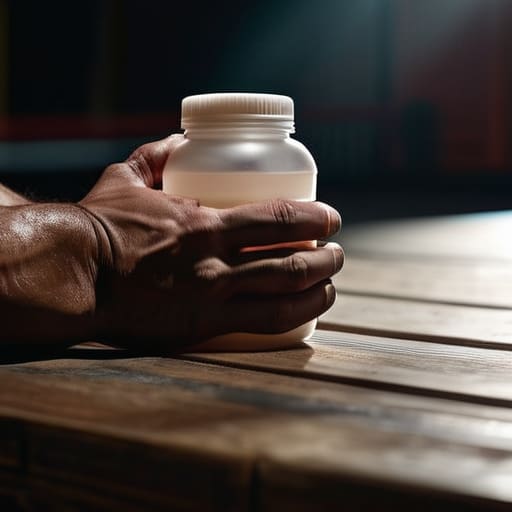
I remember sitting in a cramped, humid wrestling room during my early twenties, watching a teammate dump a massive, neon-colored powder into his shaker bottle like it was some kind of magic potion. He was convinced that this specific “pre-workout” was the only thing keeping him on the mat, but all I saw was a guy chasing a jittery high instead of focusing on his technique. The supplement industry loves to prey on that desperation, selling you expensive, flashy promises that often ignore the reality of wrestling supplement safety. Most of these products are just overpriced noise designed to clutter your system rather than fuel your movement.
I’m not here to sell you a lifestyle or a miracle in a tub; I’m here to give you the straight truth based on science and years of watching athletes in the trenches. We are going to strip away the marketing hype and look at what actually matters for your performance and long-term health. My goal is to help you navigate the chaos so you can build a stack that actually supports your capability without compromising your integrity or your body.
Table of Contents
- Decoding the Wada Banned Substance List
- Why Nsf Certified for Sport Products Matter
- Cutting Through the Noise: My Rules for a Clean Supplement Stack
- Cutting Through the Noise: My Three Non-Negotiables
- ## Don't Gamble With Your Career
- Final Thoughts on Your Fueling Strategy
- Frequently Asked Questions
Decoding the Wada Banned Substance List

If you’re stepping onto the mat, you need to realize that the WADA banned substance list isn’t just a suggestion—it’s the law of the land. I’ve seen too many athletes accidentally tank their careers because they grabbed a cheap tub of pre-workout off a clearance rack without checking the fine print. These lists are constantly evolving, covering everything from anabolic agents to specific stimulants that might seem harmless but are strictly prohibited in competition. You can’t afford to play fast and loose with what you’re putting in your body when your entire season is on the line.
The reality is that many off-brand supplements aren’t held to the same standards as the food we eat. This is why I always tell my clients to prioritize NSF Certified for Sport products whenever possible. This certification is basically your insurance policy; it means the product has undergone rigorous third-party testing to ensure that what’s on the label is actually in the tub, and more importantly, that no banned contaminants have snuck in. Don’t let a lack of due diligence turn your hard work into a disqualification.
Why Nsf Certified for Sport Products Matter

Look, I’ve seen too many athletes accidentally sabotage their careers because they grabbed a cheap tub of pre-workout off a clearance rack. When you’re training in high-stakes environments like wrestling, you can’t afford to play Russian roulette with your nutrition. This is exactly why I tell my clients to hunt for NSF Certified for Sport products above everything else. This certification isn’t just a fancy sticker; it’s a rigorous, third-party guarantee that what is listed on the label is actually in the container, and more importantly, that it’s free from anything on the WADA banned substance list.
The reality is that the supplement industry is a bit of a Wild West. Without strict protein powder purity testing or batch-specific screening, you’re essentially trusting a company’s word that they haven’t cross-contaminated their facility with prohibited stimulants or SARMs. I don’t care how good the marketing sounds—if it doesn’t have that seal, it’s a massive risk to your athletic integrity. We train to be capable and prepared, so don’t let a lack of due diligence turn your hard work into a disqualification.
Cutting Through the Noise: My Rules for a Clean Supplement Stack
- Stop buying based on the flashy label. If a brand doesn’t explicitly state they test for third-party purity, assume there’s a chance something unlisted is hiding in that powder.
- Treat your supplements as the final 5% of your performance. If your sleep, hydration, and whole-food nutrition are a mess, no amount of expensive pre-workout is going to save your training session.
- Read the fine print on “proprietary blends.” I don’t care how good the marketing sounds; if they won’t tell me the exact milligram dosage of every ingredient, I’m not putting it in my body.
- Keep a digital log of everything you add to your routine. When you’re tracking your progress in the weight room or on the mats, you need to know exactly which variable changed so you aren’t chasing ghosts.
- Prioritize the basics before the hype. Most of us don’t need a complex stack of stimulants and recovery agents; we need consistent protein intake, quality electrolytes, and enough calories to actually fuel our movement.
Cutting Through the Noise: My Three Non-Negotiables
Prioritize third-party testing over flashy marketing; if a product doesn’t carry an NSF Certified for Sport or Informed Sport seal, it’s a gamble you don’t need to take with your career or your health.
Treat supplements as the final 5% of your performance, not the foundation; no pill or powder can outwork a bad diet or a lack of consistent, heavy lifting.
Stay educated on the evolving banned substance lists because “I didn’t know” isn’t a defense that holds up in a drug test—take ownership of everything you put in your body.
## Don't Gamble With Your Career
“In the wrestling room, we obsess over technique and conditioning, but you can undo months of hard work in a single afternoon if you’re careless with what you swallow. Stop treating your supplement stack like a guessing game; if it isn’t fueling your movement and it hasn’t been vetted for safety, it’s just noise that could cost you everything.”
Tamsin Broadhurst
Final Thoughts on Your Fueling Strategy

At the end of the day, navigating the world of supplements shouldn’t feel like walking through a minefield. We’ve covered why you need to stay vigilant about the WADA banned substance list and why that NSF Certified for Sport seal is your best friend when you’re scanning the shelves. Don’t let a lack of information turn your nutritional strategy into a liability. Whether you are looking for a quick recovery boost or a way to sustain your energy through a heavy mat session, remember that every choice you make should serve your performance. If a product doesn’t have clear labeling or a proven track record of purity, it simply doesn’t belong in your gym bag.
I want you to remember that supplements are meant to be the final ten percent of your success, not the foundation. Your true strength is built during those grueling practice sessions, your heavy lifting blocks, and the consistent way you fuel your body with real food. Use supplements to bridge the gaps, but never let them replace the hard work you put in every single day. You are training to be capable, resilient, and ready for whatever the sport throws at you. Stay smart, stay disciplined, and keep focused on the long game. Now, let’s get back to work.
Frequently Asked Questions
If a supplement isn't NSF Certified for Sport, is it automatically a red flag for my next tournament?
Look, I’m not saying every uncertified bottle is a trap, but you’re playing a high-stakes game of roulette. If it lacks that NSF seal, you have zero guarantee that what’s on the label is actually in the tub—or worse, that it’s clean of banned substances. For a wrestler, that’s a massive risk. If you can’t verify it, don’t risk your eligibility. Stick to the certified stuff; it’s not worth a disqualification.
How do I tell the difference between a legitimate performance booster and just expensive, flavored water?
Look at the label, not the marketing. If the “proprietary blend” hides the exact dosages, walk away—that’s usually just expensive, flavored water. You want transparency. Look for clinically studied ingredients like creatine monohydrate or beta-alanine, and ensure they’re listed with specific amounts. If a brand can’t tell you exactly what’s in the shaker and how much of it you’re getting, it isn’t fueling your performance; it’s just draining your wallet.
Can I safely use pre-workout during a heavy cutting phase without messing up my energy levels on the mat?
Look, cutting weight is already a massive physiological tax on your body. If you’re going to use pre-workout, you have to be surgical about it. Avoid the high-stimulant “proprietary blends” that lead to a massive crash halfway through a live wrestling session. Stick to clean, single-ingredient caffeine or beta-alanine to manage that fatigue without the jitters. If your energy is spiking and then cratering, it’s not fueling your movement—it’s sabotaging your performance on the mat.
