
I still remember the smell of stale sweat and floor mats in that cramped amateur wrestling gym where I spent my early twenties. I was stuck in a cycle of trying to “power through” every drill, thinking that if I just threw more raw effort at a problem, I’d eventually find my way. But I quickly learned that brute force is a terrible substitute for actual pushing strength. You can grind your teeth and strain until your face turns red, but if your mechanics are broken and your stability is non-existent, you aren’t getting stronger—you’re just getting tired.
I’m not here to sell you a complicated, fifteen-step supplement stack or a flashy, high-intensity fad that leaves you burnt out by Tuesday. Instead, I’m going to give you the straight truth based on my background in exercise science and years on the mats. We are going to strip away the fluff and focus on the foundational movements that actually build functional power. I’ll show you how to stop guessing and start training with intention, so you can build the kind of reliable strength that shows up when you actually need it.
Table of Contents
- Mastering Upper Body Pushing Mechanics for Capability
- Driving Pectoralis Major Hypertrophy With Purposeful Intent
- Stop Guessing and Start Driving: 5 Pillars of Real Pushing Power
- The Bottom Line on Building Real Pushing Power
- ## Strength is More Than a Rep Count
- Moving Beyond the Reps
- Frequently Asked Questions
Mastering Upper Body Pushing Mechanics for Capability

When we talk about building real-world power, we have to move past just throwing weight around and actually look at your upper body pushing mechanics. If you’re just slamming out reps on a bench press without considering your scapular positioning, you aren’t building capability—you’re just asking for a shoulder impingement. I tell my athletes that every press needs to start from a stable foundation. You need to feel your serratus anterior engaging to create a platform that actually supports the load.
Once that stability is locked in, we can focus on the actual drivers of movement. To see meaningful progress, I prioritize a mix of heavy compound movements and targeted triceps strength training to ensure you don’t hit a plateau mid-rep. It’s not just about chasing pectoralis major hypertrophy for the sake of aesthetics; it’s about ensuring that when you have to push an opponent off you or shove a heavy object out of your way, your limbs respond with intention. We train for the grind, not just the mirror.
Driving Pectoralis Major Hypertrophy With Purposeful Intent
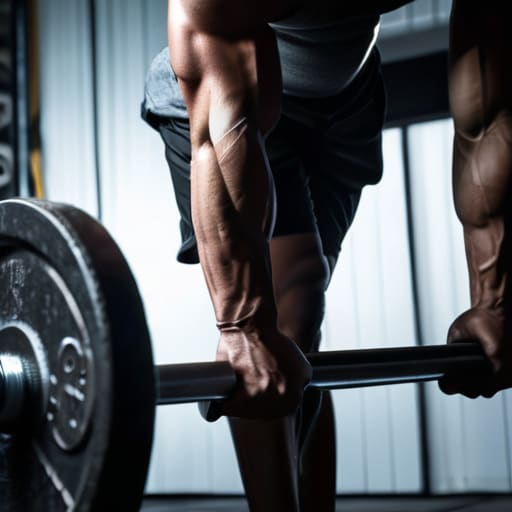
When we talk about pectoralis major hypertrophy, I’m not talking about chasing a “pump” just to look good in a mirror. In my experience—especially when you’re transitioning from the mat to the weight room—muscle growth needs to serve a functional purpose. If you want a chest that actually contributes to your power, you have to move beyond mindless repetitions. You need to focus on the mind-muscle connection during every rep of a bench press or a weighted dip. If you aren’t feeling that tension in the pec, you’re likely just letting your shoulders do the heavy lifting, which is a recipe for injury.
To get there, you have to master your pushing volume progression. Don’t just add weight every single week and hope for the best; instead, focus on controlled eccentrics and driving through the center of the movement. This builds a foundation of stability that translates directly to more explosive movements in combat sports. We aren’t just building mass for the sake of it; we are building functional armor that supports your entire upper body pushing mechanics. Treat every set like you’re preparing for a match: intense, deliberate, and completely focused.
Stop Guessing and Start Driving: 5 Pillars of Real Pushing Power
- Prioritize the overhead press over the bench press. If you want functional, combat-ready strength, you need to be able to move weight vertically. It builds stable shoulders and a core that won’t fold when you’re under pressure.
- Don’t neglect your triceps. Your chest might start the movement, but your triceps finish the job. If your lockout feels weak or shaky, you’re leaving power on the table. Hit those heavy extensions and dips.
- Control the eccentric phase. I see too many people just dropping the weight and bouncing it off their chest. Slow down the descent. You build more structural integrity and muscle when you actually own the weight through the entire range of motion.
- Stabilize your base. Whether you’re on a wrestling mat or a lifting platform, power comes from the ground up. If your feet are dancing or your core is soft, that force isn’t going into the bar—it’s leaking out of your midsection.
- Fuel the effort. You can’t build explosive pushing power on an empty tank or a deficit that’s too steep. Treat your carbs like the fuel they are; you need them to drive those high-intensity sets that actually force your body to adapt.
The Bottom Line on Building Real Pushing Power
Stop chasing a “pump” for the sake of aesthetics; focus on mastering your mechanics first so that every rep actually translates to functional, real-world strength.
Treat your hypertrophy work as a means to an end—build the muscle mass necessary to support your joints and increase your force production, then use that foundation to move heavier loads.
Consistency beats intensity every single time; you don’t get strong by having one perfect session, you get strong by showing up and fueling your body properly to handle the work.
## Strength is More Than a Rep Count
“Pushing strength isn’t about how much weight you can move once for a vanity photo; it’s about the functional capacity to drive through an opponent, stabilize your frame under pressure, and move your world with intention.”
Tamsin Broadhurst
Moving Beyond the Reps

At the end of the day, building real pushing strength isn’t just about how much weight you can move from point A to point B; it’s about the integration of mechanics and intent. We’ve talked about why mastering your upper body mechanics is non-negotiable for staying injury-free, and why driving hypertrophy in the pectorals serves a functional purpose beyond just aesthetics. When you stop treating your workouts like a checklist and start treating them as a way to refine your movement, everything changes. Remember, the goal is to ensure that every press, every push-up, and every explosive movement is backed by solid technical foundation and purposeful muscle engagement.
Don’t get discouraged if the progress feels slow or if the heavy sets feel daunting at first. Strength is a skill, and like any skill—whether you’re learning a double-leg takedown or a heavy bench press—it requires you to show up when you don’t feel like it. Stop chasing perfection and start chasing consistent, incremental progress. You aren’t just training to look a certain way in the mirror; you are training to be capable, resilient, and powerful in every aspect of your life. Now, grab your electrolytes, get your head right, and go build something that lasts.
Frequently Asked Questions
How do I know if my pushing strength is actually improving, or if I'm just getting better at compensating with bad form?
If your weight on the bar is climbing but your shoulders feel like they’re grinding or your lower back is arching like a bow, you aren’t getting stronger—you’re just getting better at cheating. Real progress looks like moving the same load with more control and better stability. If the movement feels “sloppy” or shaky, stop. Don’t chase a number at the expense of your mechanics. True strength is ability, not just ego.
Should I be prioritizing heavy barbell presses or more functional, unilateral movements like kettlebell presses to help my wrestling?
If you’re looking to win on the mat, you need both, but for different reasons. Heavy barbell presses are your foundation—they build the raw, absolute force needed to move a resisting opponent. However, wrestling is rarely symmetrical. That’s where unilateral kettlebell work comes in. It builds the stability and core integration you need when you’re off-balance in a scramble. Use the barbell to build the engine, but use kettlebells to learn how to steer it.
How do I balance heavy pushing sessions with my recovery so I don't end up with nagging shoulder issues?
Listen, I’ve been there—trying to push through a heavy bench session only to feel that sharp, nagging ache in my rotator cuff. To avoid that, you have to treat recovery as part of your training, not an afterthought. Prioritize face pulls and rear delt work to balance out all that anterior volume. If your shoulders feel “cranky,” back off the intensity and focus on mobility. You can’t build strength if you’re sidelined by an injury.
