I remember sitting on a sweat-soaked mat in a cramped wrestling gym, listening to the rhythmic thud of bodies hitting the floor, feeling that specific, hollow frustration of hitting a plateau. I was doing everything “right”—the programming was solid, the intensity was there—but my muscles just weren’t recovering fast enough to keep up with the demand. I was tired of the fitness industry trying to sell me a dozen different “miracle” powders, most of which were just overpriced caffeine and marketing fluff. When I finally started looking into the actual science of creatine for strength, I realized how much noise there is surrounding one of the most basic, effective tools in our arsenal.
I’m not here to sell you a lifestyle or a magic pill that promises overnight results. Instead, I’m going to give you the straight truth based on my background in exercise science and years of seeing what actually works in the trenches. We’re going to strip away the hype and focus on how to use creatine to fuel your movement and build functional, lasting capability. No fluff, no expensive gimmicks—just the facts you need to train harder and recover better.
Table of Contents
Fueling the Work Atp Production and Muscle Energy
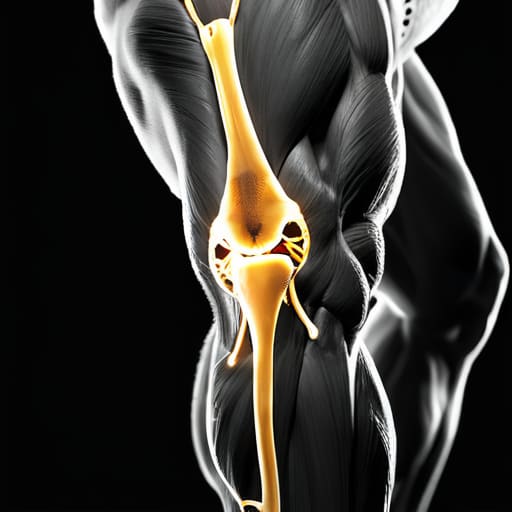
To understand why this works, we have to look at what’s actually happening inside your muscle fibers during a heavy set of squats or a high-intensity wrestling scramble. Your body relies on a molecule called ATP (adenosine triphosphate) for immediate energy. Think of ATP as the primary currency your cells use to “pay” for movement. The problem is, your natural stores of ATP are incredibly small and get depleted in seconds when you’re pushing max effort. This is where the magic of ATP production and muscle energy comes into play.
When you supplement, you’re essentially increasing your body’s reservoir of phosphocreatine. This allows your system to more rapidly regenerate that spent ATP, meaning you can squeeze out those last two reps or maintain your intensity during a grueling training session. It’s not about getting a “buzz” like caffeine; it’s about cellular efficiency. By optimizing your internal energy recycling, you aren’t just working harder—you’re providing your muscles with the biological tools necessary to sustain high-output work. This is the foundation of building real, functional capacity.
Unlocking Potential Through Creatine Monohydrate Benefits
When we talk about the actual creatine monohydrate benefits, we aren’t just talking about adding a few pounds to your squat. For anyone training in combat sports or heavy lifting, the real win is the ability to maintain high-intensity output when your body wants to quit. Creatine helps pull water into your muscle cells—a process known as muscle cell hydration—which doesn’t just make you look fuller; it creates a more optimal environment for protein synthesis and recovery.
I often get asked if you need to jump straight into a massive dose. While some people swear by a creatine loading phase explained as a way to saturate the muscles quickly, I prefer a more steady, sustainable approach. Whether you load or just take a consistent daily dose, the goal is the same: ensuring your stores are topped off so you can hit that extra rep or hold that clinch a few seconds longer. It’s about building that functional capacity that separates a good session from a great one.
Making It Work: My No-Nonsense Guide to Creatine Success
- Stick to monohydrate. I know there are a dozen fancy, expensive versions on the market, but unless you have a very specific medical reason, pure creatine monohydrate is the gold standard. It’s what we use in the gym because it’s proven, it’s effective, and it’s not a waste of your money.
- Consistency beats timing. Don’t stress about whether you’re taking it pre-workout or post-workout; that’s a distraction. The goal is to keep your muscle stores saturated, so just take it at the same time every day—even on your rest days.
- Hydration is non-negotiable. Creatine pulls water into your muscle cells, which is exactly what you want for strength and volume, but it means you need to step up your water intake. Keep that shaker bottle full and keep sipping throughout the day.
- Skip the loading phase if you want to avoid the bloat. You can “load” with high doses for a week to see results faster, but if that makes your stomach feel off or makes you feel heavy, just stick to a steady 3-5 gram daily dose. You’ll get to the same place eventually without the digestive drama.
- Use it as a tool, not a crutch. Creatine will give you that extra rep or that bit of extra power when you’re grinding through a heavy set, but it won’t do the work for you. Treat it as fuel for the skill you’re building through your training.
The Bottom Line: Making Creatine Work for You
Stop looking for a magic pill; view creatine as a reliable tool to support your ATP production and help you push through those final, heavy reps where the real strength gains happen.
Stick to the basics with creatine monohydrate—it’s the most researched, cost-effective, and proven way to fuel your movement without the unnecessary fluff of fancy formulations.
Consistency is your best friend; you won’t see results from a one-off dose, so treat your supplementation like your training program—show up every day to build long-term capability.
## Beyond the Hype
“Stop looking for a magic pill and start looking at creatine for what it actually is: a reliable tool to help you squeeze out that one extra, heavy rep when your tank is running low. It’s not about changing who you are; it’s about giving your body the fuel it needs to become more capable.”
Tamsin Broadhurst
Building Your Foundation

At the end of the day, creatine isn’t some mysterious shortcut or a way to cheat the system; it is a scientifically backed tool designed to support your body’s natural energy systems. We’ve looked at how it replenishes your ATP to power through those heavy sets and how monohydrate serves as the gold standard for practical, reliable results. Whether you are grinding through a wrestling practice or hitting a new personal best in the squat rack, the goal is to provide your muscles with the consistent fuel they need to recover and adapt. It’s about closing the gap between your current capacity and your true potential by ensuring your cellular energy is never the limiting factor in your progress.
I want you to remember that no supplement can replace the discipline of showing up when you don’t feel like it. Creatine can help you squeeze out that extra rep, but it’s your grit and your consistency that actually build the athlete. Don’t get caught up in the hype or the complicated protocols; just focus on the fundamentals of training hard and eating to support your movement. Strength is a skill, and every tool you use should serve the purpose of making you more capable and resilient. Now, grab your shaker bottle, get to work, and trust the process.
Frequently Asked Questions
Will taking creatine make me look bloated or hold too much water weight?
The short answer? You might see a slight bump on the scale, but it isn’t “fat” or “bloat” in the way you think. Creatine pulls water directly into your muscle cells, not under your skin. This actually makes your muscles look fuller and more hydrated, which is exactly what we want for performance. If you’re feeling puffy, just check your hydration and salt intake. Drink more water—it’s the best way to keep things flowing.
Do I actually need to do a "loading phase," or can I just start with a standard daily dose?
The short answer? You don’t need to. If you do a loading phase—taking about 20 grams a day for a week—you’ll saturate your muscles faster, seeing results sooner. But if you prefer a slow and steady approach, just stick to 3–5 grams daily. You’ll get to the same place eventually; it just takes a little longer. Personally, I value consistency over intensity, so I usually recommend the standard daily dose. It’s easier on the gut.
Is it better to take my creatine before a heavy lifting session or right after I finish training?
Honestly? It doesn’t matter much. Creatine isn’t like caffeine; you don’t feel it hit your system instantly. It works through saturation, meaning it’s about what you do consistently every single day, not the specific minute you swallow the scoop. If taking it post-workout helps you stay consistent with your routine, do that. Just aim for the same time daily to keep those muscle stores topped up. Consistency beats perfect timing every time.
