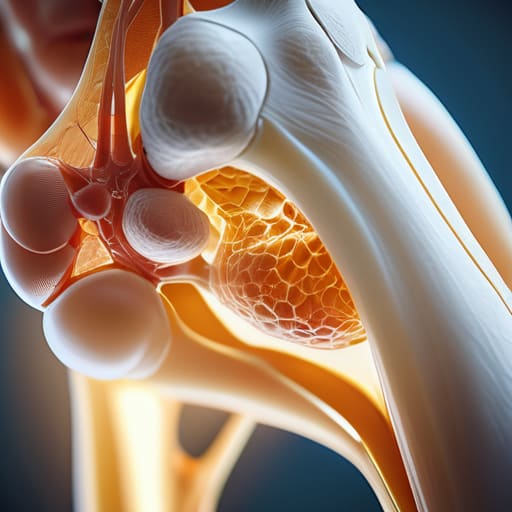
I still remember the sound of my own knees popping during a heavy squat session back when I was grinding through amateur wrestling training. It wasn’t just a noise; it was a warning sign that my body was struggling to keep up with the demand. Most people will try to sell you a magic pill or a $100 “superfood” powder to fix it, but let’s cut through the marketing noise: you don’t need a miracle, you need the right building blocks. If you’re serious about using collagen for joint health, you need to stop chasing the hype and start looking at the actual science of how your connective tissue repairs itself.
I’m not here to give you a sales pitch or a complicated puzzle to solve. My goal is to strip away the fluff and give you a straight-up, science-based blueprint for supporting your mobility. I’ll show you exactly how to integrate collagen into your routine so you can keep lifting heavy and moving well without being sidelined by nagging aches. We aren’t training for aesthetics here; we are training for long-term capability, and that starts with fueling your joints correctly.
Table of Contents
- Understanding Type Ii Collagen Benefits for Lasting Strength
- Fueling Cartilage Regeneration Support Through Consistent Nutrition
- How to Actually Use Collagen to Protect Your Movement
- The Bottom Line: Building a Resilient Foundation
- Stop Treating Your Joints Like an Afterthought
- Building for the Long Haul
- Frequently Asked Questions
Understanding Type Ii Collagen Benefits for Lasting Strength

When we talk about staying in the game—whether that’s on the mats or under a heavy barbell—we have to talk about the specific stuff that keeps our framework intact. Most people just think “collagen” is one big bucket, but if you’re serious about longevity, you need to understand the type II collagen benefits specifically. While Type I is great for your skin and hair, Type II is the heavy hitter for your articular cartilage. Think of it as the shock absorber for your joints; it’s what allows you to absorb force during a sprawl or a heavy squat without feeling that dreaded grinding sensation.
The real magic happens when you focus on cartilage regeneration support. As we age or increase our training volume, our natural production of these structural proteins can’t always keep up with the mechanical stress we put on our bodies. By utilizing targeted supplementation, you’re essentially providing the raw materials—the specific amino acids for joint repair—that your body needs to maintain that cushion. It’s not about a quick fix; it’s about giving your connective tissue the tools to remain resilient so you can keep training hard for years to come.
Fueling Cartilage Regeneration Support Through Consistent Nutrition

Look, I’ve seen too many athletes—especially women coming into my gym—try to power through sharp, nagging pains because they think “toughing it out” is part of the grind. But you can’t out-train a lack of structural support. If you’re looking for real cartilage regeneration support, you have to stop viewing nutrition as a post-workout luxury and start seeing it as a foundational requirement. It isn’t just about eating more; it’s about providing the specific building blocks your body needs to repair the wear and tear from heavy squats or wrestling scrambles.
This is where getting the right amino acids for joint repair becomes a game changer. When you’re consistent with your intake, you’re essentially giving your body the raw materials to maintain the cushioning between your bones. I always tell my clients that consistency is the only way to see results; you can’t just take a supplement once a week and expect your knees to feel brand new. You need to prioritize the bioavailability of collagen supplements to ensure that what you’re consuming actually makes it to the tissues that need it most.
How to Actually Use Collagen to Protect Your Movement
- Stop treating collagen like a magic pill; it’s a tool for consistency. You won’t see results from a single scoop, so you need to integrate it into your daily routine—whether that’s in your morning coffee or your post-training shake—to keep those amino acid levels steady.
- Pair your collagen with Vitamin C. If you’re not getting enough Vitamin C in your diet, your body is going to struggle to actually synthesize that collagen into your connective tissues. Think of Vitamin C as the spark that gets the engine running.
- Timing matters if you want to be strategic. I’ve found that taking your collagen about 30 to 60 minutes before a heavy lifting session or a technical wrestling drill can help get those nutrients circulating in your joints right when they’re under the most stress.
- Don’t ignore the “whole picture” nutrition. Collagen works best when your overall inflammatory markers are in check. If you’re slamming processed sugar and junk, you’re fighting a losing battle against joint inflammation, no matter how much supplement you take.
- Focus on Type II specifically for the joints. While Type I and III are great for skin and hair, if your goal is staying capable on the mats or under a heavy barbell, you need to ensure your sources are targeting that cartilage support specifically.
The Bottom Line: Building a Resilient Foundation
Stop treating joint health as a reactive fix; start viewing collagen supplementation as a proactive tool to maintain the mobility required for high-intensity training.
Consistency is your best friend—you won’t see results from a single dose, so integrate collagen into your daily routine to support long-term cartilage integrity.
True capability comes from a foundation of healthy joints, so prioritize nutrient-dense fueling to ensure your body can handle the heavy loads you’re chasing.
Stop Treating Your Joints Like an Afterthought
“If you want to stay on the mats or under a heavy barbell for the long haul, you have to stop viewing nutrition as an optional extra; fueling your joints with collagen isn’t about chasing a trend, it’s about protecting the very machinery that allows you to move with power.”
Tamsin Broadhurst
Building for the Long Haul
At the end of the day, supporting your joints isn’t about finding some magic pill that fixes everything overnight. It’s about understanding that Type II collagen is a specific tool for your toolkit, helping to protect the cartilage that keeps you moving under heavy loads. When you combine that targeted nutritional support with consistent, smart training, you aren’t just chasing a quick fix—you are investing in your structural integrity. Stop treating your connective tissue like an afterthought and start viewing it as the foundation that allows your strength to actually manifest in the real world.
I’ve seen too many athletes, especially women coming into the weight room for the first time, burn out because they neglected the very systems that keep them upright. We don’t train just to hit a PR today; we train so we can still be lifting, wrestling, and moving with confidence ten, twenty, or thirty years from now. Don’t let preventable aches dictate your limits. Focus on the fuel, respect the recovery, and remember that true capability is built through consistency, not just intensity. Get after it, but do it in a way that lets you stay in the game for the long run.
Frequently Asked Questions
Should I be taking collagen as a standalone supplement, or does it actually matter if I pair it with specific vitamins like Vitamin C?
Don’t just toss a scoop of collagen in your shaker and hope for the best. If you want it to actually work, you need to pair it with Vitamin C. Think of Vitamin C as the spark plug that kicks your body’s collagen synthesis into gear; without it, you’re essentially leaving money on the table. To keep your joints resilient for the long haul, treat them like any other skill—give them the right tools to succeed.
How long do I actually have to stay consistent with supplementation before I’ll feel a difference in my joint mobility during training?
Look, I’m not going to give you a magic pill timeline, but I’ll give you the truth: consistency is everything. You won’t wake up tomorrow feeling like a brand-new athlete. Most of my clients start noticing a difference in how their joints handle heavy sessions or high-impact drilling after about 8 to 12 weeks of daily, consistent use. Treat it like your training—you don’t get strong in one session, and you don’t fix your mobility overnight.
Is there a specific time of day—like pre-workout or before bed—that makes collagen more effective for recovery?
Look, I’m not a fan of overcomplicating things, but timing can give you an edge. If you’re hitting a heavy lifting session or a wrestling practice, try taking your collagen about 30 to 60 minutes before you move. Getting those amino acids into your bloodstream while you’re actually putting stress on your joints can help support that connective tissue. Otherwise, just stay consistent—consistency beats perfect timing every single time.
