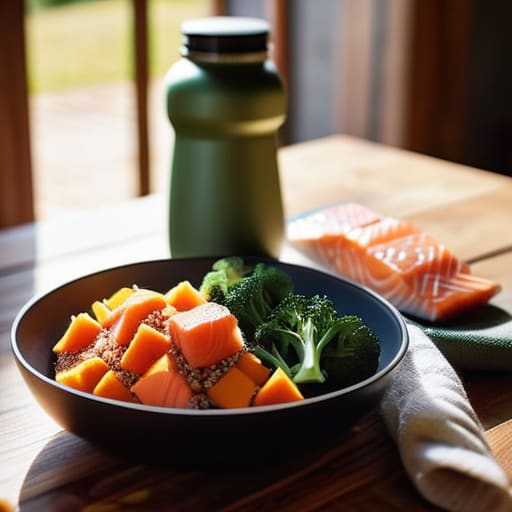
I still remember sitting on a sweat-soaked mat in a cramped wrestling gym, staring at a protein bar like it was some kind of holy relic. I had spent my entire training session obsessing over whether I’d hit my “anabolic window” or if I’d just wasted my entire afternoon by not eating a specific macro-ratio within thirty minutes of finishing. The fitness industry loves to sell you this frantic, high-stakes nonsense about meal timing for hypertrophy, making it feel like if you don’t time your carbs to the exact second, your hard work in the gym is basically for nothing. Honestly? It’s a massive distraction from what actually matters.
I’m not here to sell you on complicated supplements or a schedule that requires a stopwatch to follow. My goal is to strip away the noise and give you the actual mechanics of how to fuel your body so you can keep showing up and getting stronger. We are going to look at how to structure your intake so it supports your growth without turning your life into a math equation. This is about consistent, functional fuel that works for your lifestyle, not a textbook theory that fails the second you have a busy workday.
Table of Contents
The Science of Fuel Optimizing Muscle Protein Synthesis
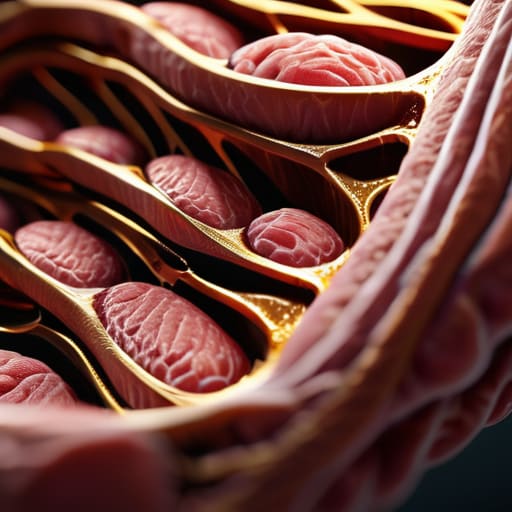
When we talk about getting bigger and stronger, we’re really talking about the biological process of repairing tissue. This is where muscle protein synthesis optimization comes into play. Think of your training session as the stimulus—the “damage” or the signal—and your nutrition as the actual construction crew. If you don’t send the crew in with the right materials at the right time, the building never gets finished.
To keep that construction crew working, you need to hit a specific trigger known as the leucine threshold for hypertrophy. Leucine is an amino acid that acts like a biological light switch; once you consume enough of it, you flip the switch from “breaking down” to “building up.” It isn’t enough to just graze on snacks throughout the day; you need meaningful doses of high-quality protein to actually signal your body to grow.
I often see people obsessing over the fasted vs fed training state, wondering if they need to eat immediately after their last set. While the “anabolic window” isn’t as tiny as the old-school gym myths suggest, the goal is to ensure you aren’t leaving your body in a deficit for too long. Focus on getting those amino acids in so your recovery can actually keep pace with your intensity.
Fasted vs Fed Training State Choosing Your Performance Path

I get asked this constantly in the gym: “Tamsin, should I lift on an empty stomach or eat something first?” It’s the classic fasted vs fed training state debate. If you’re training for pure aesthetics or weight management, some people swear by fasted cardio, but if your goal is building serious strength or muscle, I usually suggest a different approach. When you train in a fasted state, you’re often working with depleted glycogen stores, which can make those heavy compound lifts feel like a slog.
For most of my athletes, I recommend a modest amount of pre-workout carbohydrate intake about an hour before hitting the rack. This isn’t about being obsessive; it’s about having the fuel necessary to maintain high intensity. If you can’t push the weight, you aren’t providing the stimulus needed for growth. That said, if you’re someone who feels nauseous with food in your stomach, don’t force it. Consistency beats perfection every single time. Find the window that allows you to train hard without feeling heavy, and build your program around that.
My No-Nonsense Guide to Timing Your Fuel
- Stop stressing the “anabolic window.” While having nutrients near your workout helps, the total amount of protein you eat throughout the entire day matters way more than hitting a perfect 30-minute deadline after your last set.
- Prioritize your pre-workout meal with complex carbs. If you’re heading into a heavy lifting session or a grueling wrestling drill, you need glycogen in the tank so you aren’t gassing out halfway through your program.
- Aim for protein distribution. Instead of eating one massive steak at night, try to space your protein intake out every 3 to 5 hours. This keeps muscle protein synthesis elevated and gives your body a steady stream of building blocks.
- Don’t skip the post-workout recovery meal. After you’ve broken your muscles down, you need a mix of protein and fast-digesting carbs to kickstart repair and replenish those depleted energy stores.
- Listen to your gut, not just the textbooks. If eating a large meal right before training makes you feel heavy or nauseous during a sprawl, back off. Find the balance where you feel fueled but not sluggish.
The Bottom Line: Making it Work for You
Stop obsessing over the clock; the most important thing is hitting your total daily protein and calorie targets to support muscle growth.
If you’re hitting a wall during your sessions, try eating a small, carb-focused snack about an hour before you lift to give your body actual fuel to work with.
Use timing as a tool for performance, not a rule for perfection—if a specific window helps you train harder and recover faster, lean into it.
## Stop Obsessing Over the Clock
“Stop treating your nutrition like a math equation you have to solve perfectly every day. You don’t need to time your macros to the exact second to see results; you just need to make sure you’re actually fueling the work so you have the energy to show up and lift heavy when it counts.”
Tamsin Broadhurst
Cutting Through the Noise
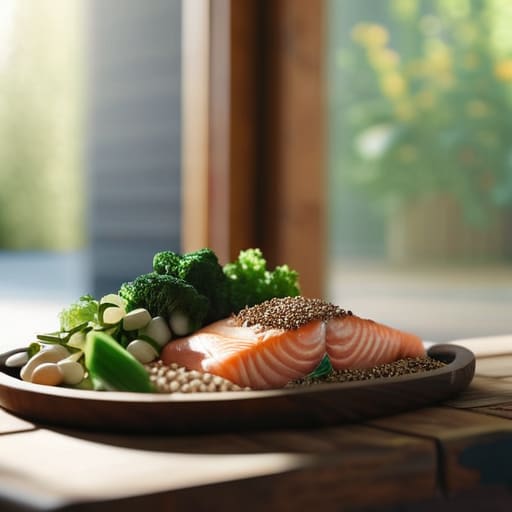
Look, if you’ve followed along this far, you know that meal timing isn’t some magic spell that will instantly transform your physique. It’s about making sure you have the right tools in the shed when it’s time to work. Whether you’re focusing on hitting your protein targets to keep muscle protein synthesis high or deciding if you feel better training on an empty stomach or after a solid meal, the goal remains the same: fueling for performance. Don’t let the pursuit of the “perfect” window turn into an excuse for inaction. Focus on the big rocks—total daily protein and consistent caloric intake—and let the timing be the small, tactical adjustment that helps you optimize your recovery.
At the end of the day, I want you to stop viewing your nutrition as a math problem to be solved and start seeing it as the foundation of your capability. We aren’t just training to hit a certain number on a scale; we are training to be strong, resilient, and ready for whatever the mat or the weight room throws at us. Stop overcomplicating the process and start trusting the work you put in. If you show up consistently, eat to support that movement, and stay disciplined with your recovery, the results will follow. Now, grab your shaker bottle, get your nutrients in, and get back to work.
Frequently Asked Questions
If I can't hit my protein goals right after a session, does it actually matter if I eat a big meal a few hours later instead?
Look, don’t stress the “anabolic window” myth. If you can’t slam a shake the second you drop the weights, you haven’t ruined your progress. Your body is looking at your total daily intake, not just that thirty-minute window. As long as you’re getting a solid, protein-rich meal in a few hours to kickstart recovery, you’re still in the game. Focus on hitting your total numbers for the day—consistency beats perfection every time.
How much of a difference does pre-workout nutrition really make for my strength levels compared to just focusing on total daily calories?
Look, if your total daily calories are off, you’re fighting an uphill battle no matter what. Total intake is your foundation. But if you want to actually move heavy weight and push through those final, grueling sets, pre-workout nutrition is your edge. It’s the difference between feeling sluggish and feeling capable. Think of daily calories as your long-term fuel tank and pre-workout nutrition as the immediate spark that gets the engine running.
Is there a specific window of time I need to worry about for "anabolic" eating, or is that just gym myth?
Look, the “anabolic window” has been blown way out of proportion. You don’t need to sprint to your locker to chug a shake the second your last set ends or you’ll “lose your gains.” That’s gym myth territory. While getting protein in after training is smart, what matters more is your total daily intake. Focus on hitting your macros consistently throughout the day. Don’t stress the clock; just focus on the fuel.
