
I remember sitting on the edge of a sweat-soaked wrestling mat at 5:00 AM, staring at a neon-colored pre-workout powder that promised “explosive power” but delivered nothing but a jittery heart rate and a massive crash by noon. It felt like a lie. We’ve been conditioned to think that if we aren’t slamming high-stimulant powders or expensive, over-hyped supplements, we aren’t trying hard enough. But most of those “miracle” fixes are just a distraction from the fact that your body is actually starving for real support. Stop looking for a magic pill to fix a lifestyle deficit; instead, let’s look at actual natural energy boosters that work with your physiology rather than against it.
I’m not here to sell you a subscription to some overpriced wellness cult or a list of trendy superfoods that taste like dirt. My goal is to give you the science-backed fundamentals that I use in my own training and with my athletes. We are going to cut through the marketing noise and focus on the high-impact, sustainable ways to fuel your movement. This is about building a foundation of consistent, reliable energy so you can show up for your training, your work, and your life without feeling like you’re constantly running on empty.
Table of Contents
Mastering Blood Sugar Stability for Sustained Power
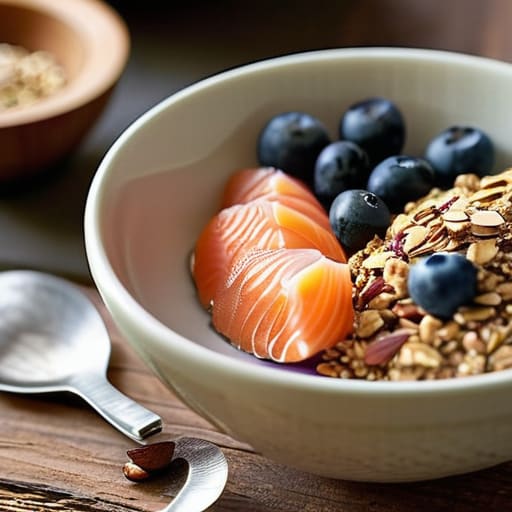
If you’re riding the roller coaster of feeling invincible at 10:00 AM only to hit a wall by 2:00 PM, you don’t need more caffeine; you need blood sugar stability. When you spike your glucose with processed sugars or even just massive amounts of simple carbs, you’re essentially setting a trap for yourself. That inevitable drop is exactly why you experience those midday slumps. To stay capable through a long training session or a heavy lifting block, you have to stop treating your body like a furnace that you only throw scraps into.
The secret to avoiding energy crashes lies in how you structure your plates. I always tell my athletes to prioritize whole food nutrition by pairing complex carbohydrates with high-quality proteins and healthy fats. This slows down digestion and ensures a steady stream of fuel rather than a sudden surge and crash. I also suggest incorporating more magnesium rich foods, like pumpkin seeds or leafy greens, into your meals. Magnesium plays a massive role in how your body manages energy at a cellular level, making it a non-negotiable for anyone serious about their performance.
Whole Food Nutrition as Your Foundation

Look, I see it all the time in the gym: people trying to fix a massive deficit in their training by reaching for another caffeine hit or a sugary “energy” drink. That’s a band-aid, not a solution. If you want to stop playing whack-a-mole with your stamina, you have to get back to basics with whole food nutrition. When you prioritize single-ingredient foods—think lean proteins, complex carbs, and healthy fats—you aren’t just eating; you’re providing the raw materials your cells actually need to function.
I tell my athletes that if your foundation is shaky, your performance will be too. Relying on processed snacks is a one-way ticket to avoiding energy crashes becomes impossible. Instead, I focus on loading up on micronutrients that support the nervous system. For example, incorporating more magnesium rich foods like spinach, pumpkin seeds, or almonds can do wonders for muscle recovery and steadying your internal rhythm. Stop treating your body like a chemistry experiment and start treating it like the high-performance machine it is.
Tactical Fueling: 5 Ways to Stop the Crash and Start Performing
- Prioritize complex carbohydrates over quick fixes. If you’re reaching for a sugary snack to get through a midday slump, you’re just setting yourself up for a crash that’ll leave you more exhausted than before. Opt for oats, sweet potatoes, or quinoa—stuff that actually provides a steady stream of fuel for your muscles.
- Hydrate with intention, not just when you’re thirsty. Most of the time, that “brain fog” you’re feeling is just mild dehydration. I never leave my gym bag without my electrolyte shaker for a reason; water alone doesn’t always cut it when your minerals are depleted from training or a long day.
- Use caffeine as a tool, not a crutch. I’m not saying skip the coffee, but stop using it to mask a lack of sleep. Save your caffeine intake for your most demanding training sessions or your deepest work blocks so you actually build a tolerance and get the performance edge it’s meant to provide.
- Don’t neglect your micronutrient intake. You can hit your macros perfectly and still feel like garbage if you’re missing the small stuff. Magnesium and B vitamins are non-negotiable for energy metabolism; if your diet is lacking variety, your cellular engine is going to stall.
- Respect your recovery windows. You don’t build strength or energy in the gym; you build it while you sleep. If you’re constantly grinding without dedicated downtime, no amount of “natural boosters” is going to fix a central nervous system that’s fried. Training hard is only half the battle; recovering smart is where the magic happens.
The Bottom Line: Fueling for Capability
Stop chasing quick fixes and caffeine spikes; real, lasting energy comes from stabilizing your blood sugar with consistent, whole-food nutrition.
Treat your food as functional fuel for your training and daily movement, not as a puzzle to be solved or a reward to be earned.
Consistency beats intensity every single time—build your energy levels through steady habits rather than relying on temporary boosts.
Stop Chasing the Spike
Stop looking for a magic pill or a third cup of coffee to save your afternoon; real, sustainable energy isn’t found in a caffeine spike, it’s built through the fuel you choose to put in your tank before the work even begins.
Tamsin Broadhurst
Fueling the Long Game

At the end of the day, boosting your energy isn’t about chasing a quick fix or relying on another overpriced caffeine pill to get you through a lifting session. It’s about the fundamentals we’ve talked about: stabilizing your blood sugar so you don’t crash mid-set, and prioritizing whole, nutrient-dense foods that actually provide the building blocks your body needs to repair and perform. When you stop looking for shortcuts and start focusing on consistent, high-quality fuel, you stop fighting against your own biology and start working with it.
Remember, your energy levels are a reflection of how you respect your body’s demands. Whether you’re stepping onto a wrestling mat or just trying to navigate a demanding workday, you deserve to feel capable and strong. Don’t expect overnight miracles; strength and stamina are skills that you build through disciplined, daily choices. Stop treating your nutrition like a puzzle to be solved and start treating it like the foundation of your performance. Now, grab your electrolytes, get your fuel in, and go get to work.
Frequently Asked Questions
If I’m already eating whole foods, should I be looking into specific supplements like magnesium or B vitamins to bridge the gap?
Look, if your whole food foundation is solid, you’re already ahead of most people. But if you’re grinding through heavy lifting sessions or high-intensity wrestling practices, your demand for micronutrients spikes. Magnesium is huge for muscle recovery and sleep, and B vitamins are essential for that metabolic engine. Don’t just guess and throw money at bottles, though. Get some bloodwork done first. Treat supplements like the fine-tuning, not the engine itself.
How do I balance natural energy sources with my training schedule so I don't crash mid-session?
Stop guessing and start timing. You need to treat your nutrition like a training block—it requires a strategy. For high-intensity sessions, aim for easily digestible carbs about 60 minutes before you hit the mats or the rack to top off your glycogen. If you’re training late, don’t skip the post-session recovery meal; if you don’t refuel properly, you’re just digging a deeper hole for tomorrow’s workout. Consistency in timing prevents the crash.
Is it possible to overdo natural boosters, or can I actually get "too much" energy from things like green tea or complex carbs?
Absolutely. You can definitely overdo it. I see this all the time with athletes trying to “force” energy through excessive caffeine or massive carb loads. If you lean too hard on green tea or stimulants, you aren’t building sustainable power; you’re just borrowing it from your future self, and you’ll pay for it with a crash. Too many complex carbs at once can also lead to sluggishness rather than fuel. Listen to your body—if you feel jittery or heavy, back off.
