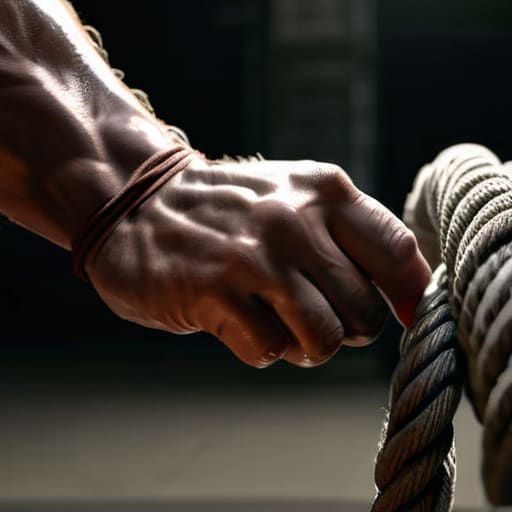
I still remember the feeling of my fingers turning white and my forearms screaming during a heavy scramble in my early twenties. I had the technique, I had the cardio, and I had the drive, but the second I tried to secure a wrist or a headlock, my hands just gave up. It wasn’t a lack of willpower; it was a fundamental deficit in my wrestling grip strength. There is nothing more humbling—or more frustrating—than knowing exactly what move to make but being physically unable to hold onto your opponent long enough to finish it.
I’m not here to sell you some overpriced, high-tech gadget or a “secret” supplement that promises overnight results. If you want to actually hold steady when the scramble gets messy, you need to stop looking for shortcuts and start building a foundation of functional, durable strength. In this post, I’m stripping away the fluff to give you the exact, science-backed protocols I use with my athletes to develop a grip that won’t fail when the pressure is on. We aren’t training for aesthetics here; we are training to be unshakeable.
Table of Contents
Crushing Grip Strength Exercises for Real World Capability
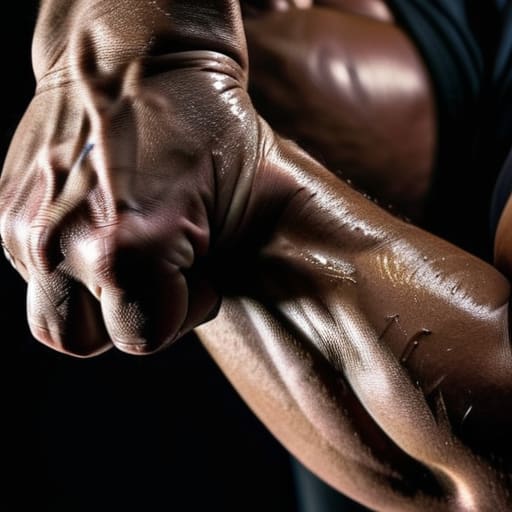
If you want to actually apply what you’re doing in the gym to the mat, you need to move beyond basic repetitions. I’m a big believer in isometric forearm holds because, in a scramble, you aren’t always moving a weight through a full range of motion; sometimes, you’re just fighting to stay attached to a limb. Grab a heavy dumbbell or even a thick medicine ball and hold it at your side for time. It’s uncomfortable, it burns, and it’s exactly what your forearms need to endure those long, grinding rounds.
To round that out, we have to address the mechanics of the hand itself. I don’t just want you to be strong; I want you to be precise. Incorporating specific hand and wrist conditioning—like using heavy resistance bands for finger extensions or practicing towel pull-ups—ensures you aren’t just a blunt instrument. You need that fine motor control to secure a wrist or a collar grip without your hands failing you when the pressure ramps up. We aren’t training for aesthetics here; we are training for total functional control.
Mastering Isometric Forearm Holds for Sustained Pressure
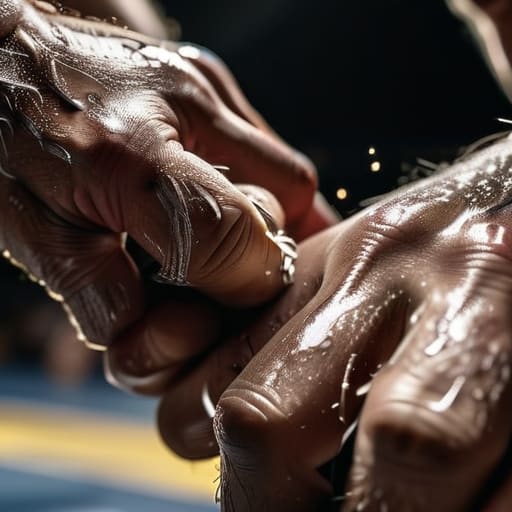
In a scramble, you don’t always get the luxury of a clean squeeze; sometimes, you just have to hold on for dear life while your opponent tries to shake you off. This is where isometric forearm holds become your best friend. Unlike dynamic movements where you’re opening and closing your hands, isometrics train your muscles to maintain a specific level of tension over time. I always tell my athletes that being able to snap a limb into place is great, but being able to maintain that pressure during a grueling third period is what actually wins matches.
To integrate this into your routine, grab a heavy towel or even a thick resistance band. Wrap it around a pull-up bar or a sturdy post and simply hold a static grip for as long as your form allows. This isn’t just about raw power; it’s about building the wrist stability for grapplers that prevents your hands from buckling under load. If you aren’t feeling that deep, dull burn in your forearms, you aren’t holding long enough. Consistency here turns your hands into literal clamps.
The No-Nonsense Blueprint for a Grip That Won't Quit
- Stop neglecting your fingers. Most people focus on the palm and the forearm, but if your finger dexterity is weak, you’ll lose that wrist control the second you’re in a scramble. Incorporate finger curls or even just picking up heavy plates by the edges to build that specific, fine-tuned tension.
- Train for the squeeze, not just the hold. There is a massive difference between holding a heavy dumbbell and actively crushing a wrist or a limb. I want to see you using squeeze balls or thick-grip implements where you are actively trying to collapse the object, not just hanging on for dear life.
- Don’t fear the heavy stuff. If you aren’t incorporating some form of heavy, compound pulling—like deadlifts or weighted pull-ups—you’re leaving easy gains on the table. Your grip is a byproduct of your overall posterior chain strength; if the body is strong, the hands usually follow.
- Practice “active” recovery. I see too many athletes training their grip until their hands are numb and then doing nothing for the rest of the week. Use your restorative yoga sessions to stretch out those tight forearms. You need blood flow and mobility to prevent the stiffness that leads to tendonitis.
- Use your training as a way to build mental grit. When your forearms are burning and your brain is telling you to let go of the bar or the mat, that’s where the skill is actually forged. Grip strength is as much about neurological discipline as it is about muscle fiber; learn to stay calm when the burn kicks in.
The Bottom Line: Training for the Scramble
Stop treating grip strength like an afterthought; if you want to control your opponent, you have to train your hands with the same intensity you train your legs.
Prioritize functional, heavy carries and isometric holds over high-rep, light-weight nonsense to build the kind of endurance that lasts through the third period.
Remember that consistency is your best tool—strength is a skill you develop through steady, intentional work, not some magic supplement or overnight fix.
The Reality of the Scramble
In a scramble, your technique only matters if your hands can actually hold onto what you’re attacking; you can have all the leverage in the world, but without a punishing grip, you’re just sliding right off your opponent.
Tamsin Broadhurst
The Long Game of Grip
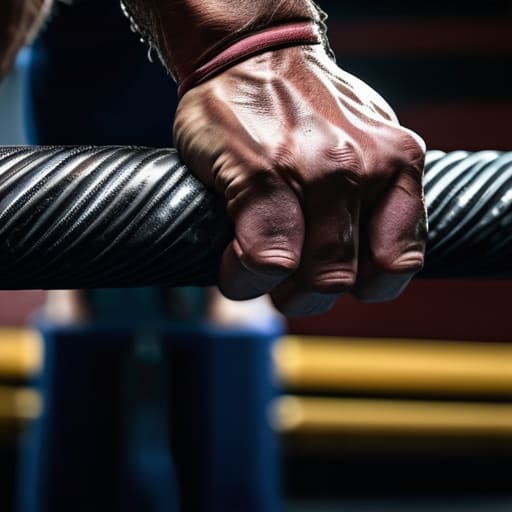
At the end of the day, building a grip that won’t quit isn’t about finding some magic supplement or a single “secret” exercise. It’s about the integration of heavy, functional movements and those grueling isometric holds that force your forearms to adapt under pressure. Whether you’re working on your pull strength through deadlifts or grinding out those sustained holds to mimic a heavy scramble, remember that consistency is your only real leverage. You can’t shortcut the physiological adaptation required to turn soft hands into steel, so stop looking for the easy way out and start respecting the process of incremental, heavy loading.
I know there will be days when your forearms feel like they’re on fire and your hands just won’t close around the bar or the opponent. That’s exactly where the growth happens. Wrestling and strength training aren’t about being perfect; they are about being capable when things get uncomfortable. Don’t get discouraged by a bad session or a missed rep. Just grab your shaker, get back to the rack, and put in the work. Strength is a skill you earn, one rep at a time, and I’ll see you on the mats.
Frequently Asked Questions
How do I know if my grip strength is actually failing me during a match or if it's just my cardio?
It’s a fine line, but here’s how you tell: if your lungs are burning and you’re gasping for air, that’s cardio. But if you feel like your hands are turning into useless noodles—where you can see the opponent’s limb right in front of you but your fingers just won’t clamp down—that’s grip failure. If you’re physically capable of the movement but your hands won’t cooperate, stop running miles and start working your forearm capacity.
Can I build functional wrestling grip strength without spending hours on a specialized grip trainer?
Absolutely. You don’t need a fancy piece of plastic to build hands that won’t quit. In fact, most specialized grip trainers are too predictable; they don’t mimic the chaotic, shifting pressure of a real scramble. Instead, lean into your existing gear. Heavy farmer’s carries, dead hangs from a pull-up bar, or even just holding onto thick handles during your lifting sessions will do more for your wrestling than any gadget. Focus on heavy, functional tension.
How much should I be focusing on forearm hypertrophy versus just raw crushing power?
Look, if you’re just trying to squeeze harder, focus on raw crushing power. But if you want your forearms to actually handle the grind of a long scramble without burning out, you need some hypertrophy. More muscle mass means more potential for force. I usually tell my athletes to prioritize power for the immediate “snap,” but don’t neglect the volume needed to build the actual tissue. Build the engine, then teach it how to work.
