
I still remember sitting in the corner of a cramped wrestling gym, staring at a lukewarm tray of unidentifiable meat and feeling like I was losing the battle before I even stepped on the mat. People love to tell you that if you want to stay heavy and explosive, you have to be crushing steak by the pound, but that’s just old-school nonsense. I’ve spent years watching athletes struggle with sluggishness and inflammation because they were following outdated “meat is muscle” myths instead of actually listening to their bodies. Transitioning to plant based wrestling isn’t about being a delicate herbivore; it’s about finding a way to fuel your movement without the heavy, digestive baggage that kills your performance during a grueling scramble.
I’m not here to sell you on some overpriced, boutique superfood powders or tell you that you need a PhD in nutrition to survive a season. My goal is to give you the straight-up, science-backed truth on how to build real, functional strength using plants. We’re going to cut through the hype and focus on the actual fuel you need to dominate on the mat and recover faster. No fluff, no nonsense—just the practical strategies you need to turn your diet into a competitive advantage.
Table of Contents
Optimizing Macronutrients for Combat Athletes

When you’re grinding through a heavy wrestling session, you can’t afford to guess your way through your meals. To keep your energy levels from cratering, you need to master your macronutrients for combat athletes by prioritizing a solid foundation of complex carbohydrates. Think of carbs as the high-octane fuel that keeps your explosive movements sharp during the third period. If you’re skimping on these, you aren’t just tired—you’re vulnerable on the mat.
The biggest hurdle I see with my clients is the fear of losing lean mass. Let’s get one thing straight: you can absolutely hit your goals with plant protein for combat sports, provided you’re being intentional about your amino acid profiles. I’m talking about pairing lentils with rice or hitting up tempeh to ensure you’re getting the full spectrum needed for tissue repair. It’s not about eating less; it’s about eating for muscle recovery on a plant diet so you can wake up ready to hit the mats again tomorrow. Stop overcomplicating the math and start focusing on the quality of your fuel.
Fueling Performance With Plant Protein for Combat Sports
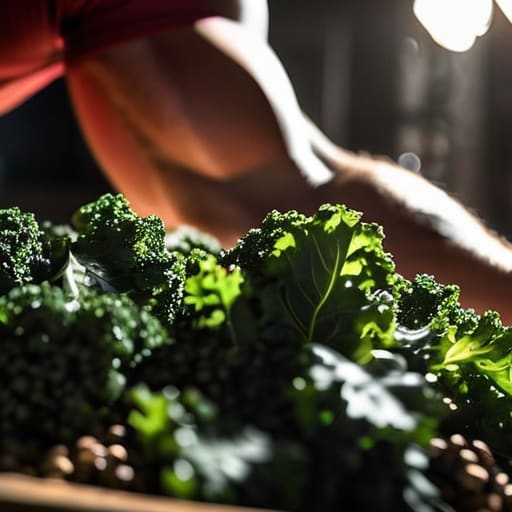
Let’s get real: the biggest myth I hear in the gym is that you can’t build serious power without animal protein. I’ve seen it a thousand times—athletes cutting out meat and then wondering why they feel like they’re moving through sludge during live wrestling drills. If you want to optimize plant protein for combat sports, you have to stop thinking about “replacing” meat and start thinking about nutrient density. You aren’t just looking for protein; you’re looking for the amino acid profile that supports explosive movements and keeps your muscles from breaking down mid-match.
Focus on high-quality sources like lentils, hemp seeds, and tempeh to ensure you’re getting a complete profile. When you nail your intake, you’ll notice a massive difference in your muscle recovery on a plant diet. Instead of feeling heavy and lethargic, you’ll feel light, fueled, and ready to hit the mats. It’s not about restriction; it’s about strategic fueling to ensure your body has the raw materials to rebuild stronger after every grueling session.
5 Ways to Stay Strong and Sharp on a Plant-Based Diet
- Prioritize calorie density. Plants are high in volume but low in calories, so if you’re cutting weight or trying to maintain mass, don’t just eat salads; lean on heavy hitters like quinoa, nut butters, and avocados to ensure you aren’t under-fueling your sessions.
- Master your micronutrient timing. When you’re grinding through heavy wrestling practices, your iron and B12 levels are non-negotiable for energy; don’t wait until you feel sluggish to start tracking these, because once the fatigue hits, it’s hard to claw back.
- Don’t fear the starch. Forget the “low carb” nonsense you see in fitness magazines; if you want the explosive power needed for a double-leg takedown, you need complex carbohydrates like sweet potatoes and oats to keep your glycogen stores topped off.
- Optimize your amino acid profile. You don’t need to obsess over “complete proteins” at every single meal, but you do need to ensure a diverse intake of legumes, grains, and seeds throughout the day so your muscles actually have the building blocks to repair after a brutal sparring session.
- Hydration goes beyond just water. Since plant-based diets are naturally high in fiber, you need to stay on top of your fluid intake and electrolytes to keep your digestion smooth and your muscles firing correctly under pressure.
The Bottom Line for the Mat
Stop obsessing over “perfect” eating and focus on hitting your protein targets with whole-food sources so your muscles actually recover after a heavy session.
Prioritize complex carbohydrates as your primary fuel source; you can’t expect to explode through a takedown if you’re running on an empty tank.
Treat your nutrition as a training tool, not a restriction, ensuring you’re eating enough to support both your lifting sessions and your time on the mats.
## Strength Isn't Defined by Your Plate
“Don’t let anyone tell you that you need meat to have grit. Wrestling is about how you fuel your engine, and if you can build a powerhouse of functional strength using plants, you aren’t just competing—you’re out-performing the old-school mindset.”
Tamsin Broadhurst
The Bottom Line on Plant-Powered Performance

At the end of the day, transitioning to a plant-based lifestyle for wrestling isn’t about restriction; it’s about strategic optimization. We’ve looked at how to balance your macros, prioritize high-quality plant proteins, and ensure you aren’t leaving any performance on the table by neglecting micronutrients. It’s not about being perfect every single meal, but about making sure your plate provides the sustained energy required to survive a grueling practice and the recovery tools needed to hit the weights the next morning. If you focus on fueling your movement rather than just counting calories, you’ll find that consistency becomes much easier to maintain when your body isn’t constantly fighting inflammation or energy crashes.
Don’t let anyone tell you that you need meat to be a powerhouse on the mat. I’ve seen athletes thrive on plant-based foundations, and I’ve seen them dominate through sheer discipline and smart nutrition. Strength is a skill, and so is fueling your body—it takes practice, trial and error, and a whole lot of grit. Stop worrying about whether you’re doing it “right” and start focusing on how your food makes you feel during a scramble. Build your foundation, trust the science, and go out there and prove your strength one meal and one match at a time.
Frequently Asked Questions
How do I make sure I'm getting enough B12 and iron without feeling sluggish during heavy wrestling sessions?
Listen, I get it. You can’t dominate on the mat if you’re dragging through your drills. If you’re feeling sluggish, your iron levels might be flagging. Focus on non-heme iron sources like lentils and spinach, but here’s the pro tip: pair them with Vitamin C—like a squeeze of lemon—to actually absorb it. For B12, since it’s trickier on a plant-based diet, don’t skip your fortified nutritional yeast or a high-quality supplement. Keep that blood oxygenated and your energy steady.
Can I actually maintain my explosive power and strength on the mat if I cut out meat entirely?
Look, I get the skepticism. When you’re staring down an opponent, you want to know your engine won’t stall. The short answer? Absolutely. I’ve seen athletes thrive on plants, provided they aren’t just eating salads. You can’t trade steak for a side of lettuce and expect to blast through a double-leg takedown. You need dense, nutrient-rich fuel—think lentils, quinoa, and hemp—to keep that explosive power dialed in. It’s about strategy, not just subtraction.
What are the best plant-based protein sources that won't leave me feeling bloated before a practice?
Look, I get it. There is nothing worse than feeling like a heavy brick in the middle of a live drilling session because your gut is protesting. If you’re worried about bloat, steer clear of massive amounts of heavy beans right before you hit the mat. Instead, lean on tempeh, tofu, or even a clean pea protein isolate. They’re easier on the digestive tract and provide the steady amino acid profile you need to stay sharp and strong.
