
I still remember sitting on a sweat-soaked mat in a basement gym back in my early twenties, my lungs burning and my stomach cramping because I’d spent more time worrying about “optimal macro ratios” than actually eating. I saw so many wrestlers—guys and girls alike—wasting their hard work by chasing expensive, neon-colored supplements that promised miracles but delivered nothing but expensive urine. Let’s get one thing straight: wrestling post workout nutrition isn’t about finding some magic powder or following a complicated, bio-hacking ritual that costs a month’s rent. It’s about recovery, and if you’re overcomplicating it, you’re likely missing the point.
I’m not here to sell you a lifestyle or a proprietary blend of nonsense. My goal is to cut through the noise and give you the straight talk on how to refuel so you can actually show up and perform tomorrow. We’re going to focus on real-world fuel that supports your strength and keeps your body capable of handling the grind. I’ll show you how to simplify your recovery so you can spend less time obsessing over labels and more time building the skill of strength.
Table of Contents
The Optimal Macronutrient Ratio for Wrestlers
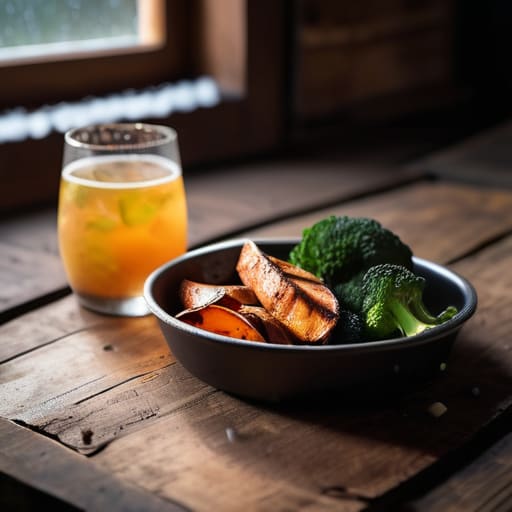
When you’re stepping off the mat, your body is essentially a sponge looking for specific tools to rebuild. You aren’t just looking to “eat”; you’re looking for the optimal macronutrient ratio for wrestlers to kickstart the repair process. I always tell my athletes to stop viewing macros as math problems and start seeing them as building blocks. You need a heavy hit of carbohydrates to replenish the glycogen you just burned through during those high-intensity scrambles, paired with high-quality protein to provide the necessary amino acids for muscle repair.
Think of it this way: carbs are your fuel tank, and protein is your repair kit. If you skimp on the carbs, you’re going to feel like a zombie by your next session. If you skip the protein, you’re leaving your hard work on the mat. Aim for a ratio that leans heavily on complex carbs and lean proteins—roughly a 3:1 or 2:1 ratio depending on how grueling your practice was. This isn’t about aesthetics; it’s about muscle recovery for combat sports so you can show up tomorrow feeling capable, not depleted.
Amino Acids for Muscle Repair and Real Capability

When you’re grinding through a heavy session on the mats, you aren’t just burning calories; you’re creating microscopic tears in your muscle fibers. This is where the science of amino acids for muscle repair becomes non-negotiable. If you want to stay on the mat and out of the physical therapist’s office, you need to prioritize high-quality protein sources that provide a complete amino acid profile. I’m talking about real foods—chicken, eggs, or Greek yogurt—that give your body the actual building blocks it needs to rebuild.
It isn’t just about hitting a total protein number, though. To truly master muscle recovery for combat sports, you have to understand that amino acids work best when they aren’t fighting against a deficit. If you’ve neglected your carbs, your body might actually start breaking down that precious muscle tissue just to find energy. Don’t let your hard work go to waste by skimping on the fundamentals; feed the repair process so you can show up to the next practice feeling capable and ready to go, rather than sluggish and broken.
Stop Guessing and Start Fueling: 5 Ways to Win Your Recovery
- Prioritize the window, but don’t panic. You don’t need to chug a shake the second you hit the mat, but try to get a solid meal in within an hour or two. If you wait too long, you’re just digging a deeper hole for your energy levels tomorrow.
- Don’t fear the carbs. I see too many athletes trying to stay “lean” by cutting carbs post-session, but after a grueling wrestling practice, your glycogen stores are empty. You need those complex carbs to replenish your energy so you aren’t dragging through your next lift.
- Hydration is more than just water. If you’ve been sweating through a heavy sparring session, plain water isn’t going to cut it. Get some electrolytes back in your system—I never leave the gym without my shaker bottle for a reason. It’s about cellular recovery, not just quenching thirst.
- Focus on whole foods over supplements. While protein powders are convenient when you’re on the go, nothing beats a real meal with high-quality protein like chicken, eggs, or Greek yogurt. Supplements are tools, not the foundation.
- Listen to your body’s hunger cues. If you’re ravenous after training, eat. If you’re too nauseous from a hard session to stomach a full meal, stick to something liquid or light. The goal is to provide consistent fuel, not to force-feed yourself or starve your progress.
The Bottom Line for Your Recovery
Stop treating your post-mat meal like an afterthought; if you don’t prioritize protein and carbs immediately after training, you’re just stealing from your next session.
Focus on whole, real-food fuel rather than chasing complex supplement stacks—your body knows how to use actual nutrients much better than a handful of powders.
Consistency in your nutrition is just as important as your technical drills on the mat; you can’t out-train a recovery plan that’s constantly falling apart.
Fueling the Capability
Stop treating your post-training meal like a math problem to be solved and start treating it like the recovery tool it is; if you aren’t fueling the grind, you’re just making the next session harder for no reason.
Tamsin Broadhurst
Bringing It All Home

At the end of the day, fueling after a grueling wrestling session isn’t about obsessing over every single calorie or following a rigid, soul-crushing diet. It’s about understanding that your body is a high-performance machine that requires specific tools to repair itself. We’ve talked about hitting those right macronutrient ratios to replenish your glycogen and using amino acids to mend the muscle tissue you just pushed to the limit. If you can master the basics—getting quality protein and complex carbs into your system shortly after you step off the mat—you are already ahead of ninety percent of the people in your gym. Stop treating nutrition like a mystery to be solved and start treating it as the essential foundation for your physical recovery.
Remember, the work you do in the kitchen is just as vital as the work you do on the mats or under the barbell. You don’t train to be perfect; you train to be capable. Every meal is an opportunity to decide whether you want to show up tomorrow feeling sluggish or showing up ready to dominate. Strength is a skill, and like any skill, it requires the right environment to grow. So, grab your shaker bottle, get some real food in your system, and let’s get ready for the next grind.
Frequently Asked Questions
I’m cutting weight for a match—how do I handle post-training nutrition without blowing my weight class?
Look, I get it. The weight cut is a mental battle as much as a physical one, but don’t starve yourself into a performance slump. Focus on high-volume, low-calorie density foods. Think massive bowls of leafy greens and cruciferous veggies paired with a lean protein like chicken or white fish. It keeps your stomach full and your muscles repairing without the heavy caloric load. Prioritize protein and fiber; skip the liquid calories and keep your focus sharp.
Is it actually better to eat immediately after a hard mat session, or can I wait until I get home?
Look, I get it—sometimes you just want to shower and crash. If you can get a quick snack in right after the mat, do it. Even something small like a protein shake or a piece of fruit helps kickstart that recovery process. But if you’re stuck in traffic or can’t get home for an hour, don’t panic. It’s not a magic window that slams shut. Just focus on getting a real, nutrient-dense meal in once you arrive.
Can I just use a protein shake, or do I really need a full meal to see actual recovery benefits?
Look, if you’re staring at a clock and only have ten minutes before your next commitment, a protein shake is better than nothing. It’ll kickstart the repair process. But if you want actual, sustained recovery, you need a real meal. Shakes lack the complex carbs and micronutrients your body needs to replenish glycogen and manage inflammation. Don’t just chase protein; chase fuel that actually helps you show up and train hard tomorrow.
