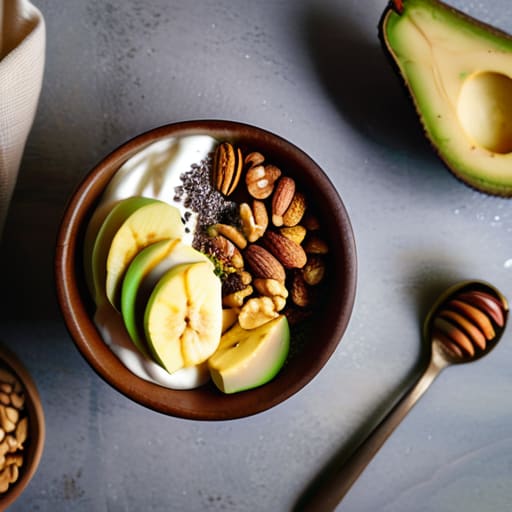
I remember sitting on the edge of a wrestling mat in a humid, poorly ventilated gym, staring down a Tupperware container of plain chicken and steamed broccoli. I was trying so hard to “eat clean” that I was actually starving my progress into a standstill. People love to preach about pristine, voluminous meals, but when you’re trying to pack on lean mass, forcing down massive amounts of low-calorie fiber is a one-way ticket to feeling bloated and exhausted. If you aren’t strategically managing your caloric density for bulking, you aren’t fueling your strength; you’re just making yourself tired.
I’m not here to sell you on expensive, processed “mass gainers” or some complicated macro-tracking ritual that takes up your entire life. My goal is to strip away the noise and show you how to make your food work as hard as you do in the weight room. I’m going to give you the straight truth on how to use nutrient-dense fats and concentrated fuel sources to hit your targets without feeling like you’re constantly fighting a losing battle against your own stomach. We’re training to be capable and strong, so let’s start eating like it.
Table of Contents
Strategic Macronutrient Balance for Bulking Without the Guesswork
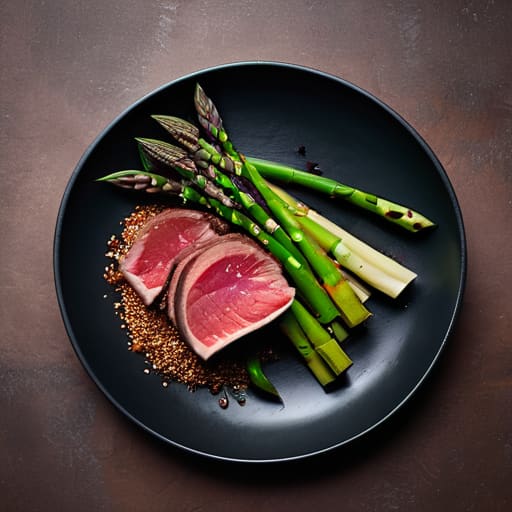
When you’re trying to move the needle on the scale, it’s easy to fall into the trap of just eating everything in sight. But if you want to build actual functional strength—not just a layer of fluff—you need to respect your macronutrient balance for bulking. I tell my athletes all the time: calories are the fuel, but macros are the blueprint. If you’re hitting your surplus but ignoring your protein intake, you’re essentially building a house with nothing but sawdust. You need that amino acid foundation to repair the tissue you’re breaking down in the gym.
Since we’re focusing on efficiency, I suggest leaning into energy dense foods for athletes that pack a punch without making you feel like you need a three-hour nap. Think nut butters, avocados, and fatty fish. If you find yourself struggling to sit down to another massive plate of rice and chicken, don’t fight your biology—work around it. Incorporating liquid calories for muscle building, like a homemade shake with oats, hemp seeds, and Greek yogurt, is a total game-changer. It’s much easier to sip on 600 calories than it is to chew them.
Using Energy Dense Foods for Athletes to Power Performance
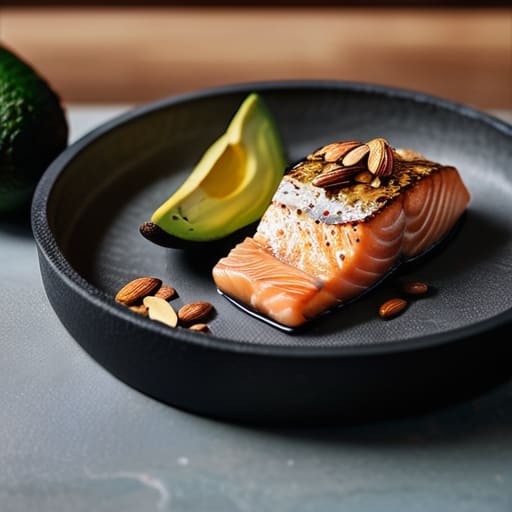
When you’re grinding through a heavy lifting session or a grueling wrestling practice, your body isn’t just looking for calories; it’s looking for high-quality fuel. The mistake I see most often is people trying to hit their goals by eating massive volumes of low-density foods like plain steamed broccoli or huge salads. You’ll end up feeling bloated and lethargic before you’ve even come close to your target. To actually support your performance, you need to prioritize energy dense foods for athletes—think nut butters, avocados, and fatty fish. These provide the concentrated fuel necessary to power through those heavy sets without making you feel like you’re constantly fighting a food coma.
If you find yourself struggling to eat enough during a busy training block, don’t fight against your appetite; work with it. This is where I swear by liquid calories for muscle building. It is much easier to sip on a smoothie packed with oats, protein, and almond butter than it is to chew through another plate of chicken and rice. Integrating these denser options helps you maintain a healthy surplus for weight gain without the mental exhaustion of feeling like you’re constantly forced to eat.
Five Ways to Scale Up Your Fuel Without Feeling Overstuffed
- Don’t fear the fats. If you’re struggling to hit your numbers, start adding healthy fats like avocado, olive oil, or nut butters to your existing meals. They pack a massive caloric punch without adding much volume to your plate.
- Liquidate your calories. When you’re too tired or too full to chew another meal, drink it. A homemade smoothie with oats, protein powder, and peanut butter is a lot easier to get down than a mountain of dry chicken and rice.
- Prioritize nutrient density over “empty” calories. I’m not talking about junk food; I’m talking about foods that actually serve your training. Think dense starches like sweet potatoes or quinoa rather than just filling up on processed sugar.
- Stop skipping the “small” stuff. A handful of almonds or a bit of cheese between training sessions might seem insignificant, but those little caloric windows add up fast when you’re trying to build serious mass.
- Use your training as the guide. On heavy lifting days or intense wrestling sessions, your caloric needs spike. Don’t be afraid to lean harder into those energy-dense foods when you know you’ve got a massive workload ahead of you.
The Bottom Line for Your Gains
Stop treating food like a math problem and start treating it like fuel; prioritize calorie-dense whole foods to hit your targets without feeling constantly stuffed.
Consistency beats intensity every single time, so focus on hitting your daily caloric surplus steadily rather than trying to make up for missed meals with one massive feast.
Train for capability, not just aesthetics, by ensuring your nutrition supports both your heavy lifting sessions and your recovery so you can actually perform the work you’re putting in.
Stop Fighting Your Appetite
“Bulking isn’t about forcing down massive, soul-crushing plates of food that leave you feeling sluggish; it’s about being smart with your fuel. If you’re struggling to hit your numbers, stop trying to eat more volume and start choosing foods that pack more punch in every bite. We train to move, not to spend our entire lives feeling bloated and stuck.”
Tamsin Broadhurst
Making It Stick
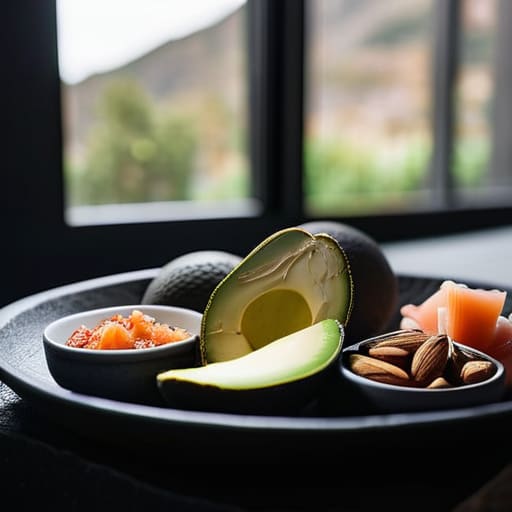
At the end of the day, bulking isn’t about mindless eating or just trying to hit a number on a scale; it’s about being smart with your fuel. We’ve talked about why macronutrient balance matters and how to use energy-dense foods to ensure you aren’t just feeling bloated, but actually powering your performance in the gym. By prioritizing foods that pack a punch without requiring you to eat massive, unmanageable volumes, you take the guesswork out of your recovery. Stop treating your nutrition like a chore and start seeing it as the strategic foundation for every heavy lift and every intense training session you tackle.
Remember, the progress you make under the bar is a direct reflection of the work you do in the kitchen. There will be days when the scale doesn’t move or the weights feel heavy, but that is where the discipline kicks in. Don’t get discouraged by the slow grind; strength is a skill that requires patience and the right ingredients. Focus on being consistently capable rather than chasing perfection. Pack your meals, hit your targets, and show up to your training ready to work. You have the tools—now go out there and build the strength you know you’re capable of.
Frequently Asked Questions
How do I make sure I'm actually gaining muscle and not just adding unnecessary body fat while increasing my caloric density?
To keep the gains lean, you have to respect the stimulus. If you’re bumping up your caloric density but not pushing your intensity in the weight room, you’re just fueling fat storage. Focus on progressive overload—make sure those extra calories are being used to move heavier loads or more volume. Also, keep your protein high to support repair. If the scale is moving too fast and your strength is stalling, dial the density back slightly.
If I'm feeling too full to finish my meals, what are some easy ways to sneak more calories into my current routine?
Listen, I’ve been there—staring at a plate of rice and chicken feeling like I’m about to burst. If you’re hitting a wall, stop trying to eat bigger meals and start making your current ones more efficient. Drizzle olive oil over your veggies, stir nut butter into your oats, or add avocado to everything. It’s about increasing the fuel without increasing the volume. Don’t fight your satiety; just make every bite count.
Can I still use high-density foods if I have a sensitive stomach or struggle with digestion during heavy training blocks?
Absolutely. A sensitive stomach shouldn’t be a barrier to your gains, but you have to be strategic. If heavy meals feel like a brick in your gut during training, stop trying to force massive, one-off feasts. Instead, lean into liquid calories like smoothies or focus on easily digestible fats like nut butters. Small, frequent, nutrient-dense hits are often way easier on your digestion than one giant, heavy meal that leaves you feeling sluggish.
