I still remember the feeling of being pinned in a wrestling match during my early twenties, not because my technique was off, but because my hands simply couldn’t hold on. I could feel my opponent’s gi slipping through my fingers like water, and that frustration—that absolute realization that my strength was being capped by my hands—changed how I viewed training forever. Most people think they need some fancy, expensive-as-hell hand exerciser or a high-tech gadget to see progress, but they’re missing the point. If you aren’t integrating intentional grip strength exercises into your heavy lifting sessions, you aren’t building true capability; you’re just leaving performance on the table.
I’m not here to sell you on a gimmick or a “hack” that promises overnight results. My goal is to give you the straight truth based on years of coaching and floor time, focusing on movements that actually translate to the real world. We are going to move past the fluff and dive into the specific, science-backed ways to build a hand that is as unshakeable as your mindset.
Table of Contents
- Mastering the Crushing vs Pinching Grip Distinction
- Wrist Stability Exercises for Real World Movement
- Stop Guessing and Start Building: My Non-Negotiables for Grip Training
- Making it Stick: My Non-Negotiables for Grip Progress
- Strength Beyond the Barbell
- Building a Foundation That Lasts
- Frequently Asked Questions
Mastering the Crushing vs Pinching Grip Distinction
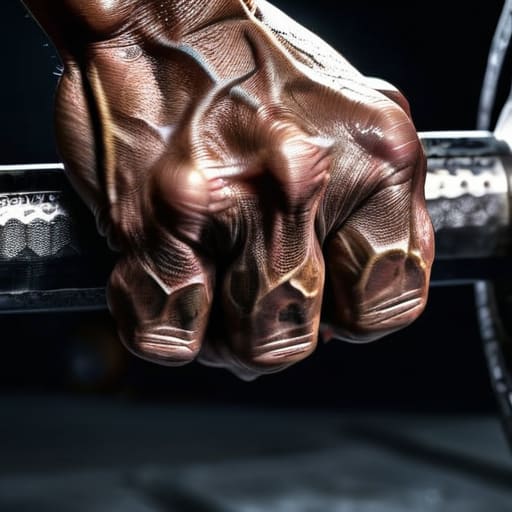
If you want to move beyond just “holding onto things” and actually build real capability, you have to understand the difference between crushing and pinching. Most people lump them together, but they recruit different muscle groups and serve different purposes in the gym or on the mat. A crushing grip is that raw, palm-driven power you need when you’re closing out a heavy deadlift or securing a clinch in a wrestling match. It’s about the contraction of the flexors to squeeze an object shut.
On the flip side, pinching grip is a completely different beast. This is all about the strength of your fingers and the ability to hold weight between your thumb and your fingertips—think plate pinches or even just handling heavy kettlebells. While crushing builds that massive, dense power, focusing on pinching mechanics is what drives hand muscle hypertrophy and improves your overall finger dexterity. If you only train one, you’re leaving a massive gap in your functional toolkit. To be truly well-rounded, you need to bridge that gap and treat both as distinct skills that require their own dedicated attention.
Wrist Stability Exercises for Real World Movement
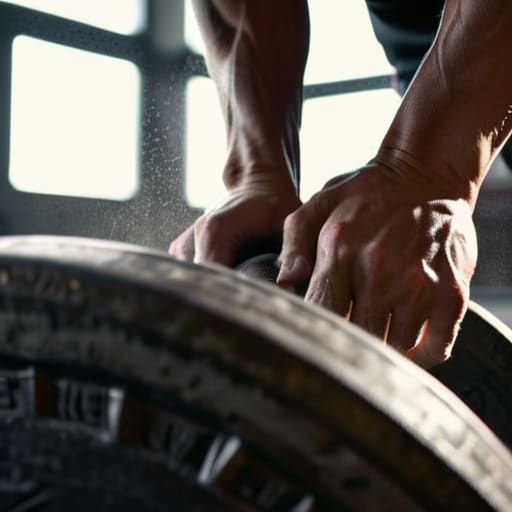
If you’ve ever spent a hard round on the mats or a heavy session on deadlifts, you know that your hands aren’t the only thing that can fail you. If your wrists are wobbly, your power leaks out through the joint before it ever reaches your target. You can have the strongest crush in the room, but if your wrist stability is non-existent, you’re just asking for an injury. I always tell my athletes that wrist stability exercises are the unsung heroes of a functional routine; they bridge the gap between raw finger power and actual, usable force.
To build that foundation, I’m a big proponent of loaded carries and eccentric wrist work. Try performing farmer’s walks with a focus on keeping your wrists completely neutral—don’t let them cock back under the weight. I also recommend incorporating rotational movements, like using a sledgehammer or a weighted bar for “around the worlds,” to challenge your stability in multiple planes. This isn’t about hand muscle hypertrophy; it’s about teaching your joints to stay rigid under pressure. When you stabilize the wrist, you’re essentially locking in your power, ensuring every ounce of effort goes exactly where you intend it to.
Stop Guessing and Start Building: My Non-Negotiables for Grip Training
- Stop relying on just one type of movement. If you’re only doing heavy deadlifts, you’re building crushing strength but neglecting your pinch capacity. You need to mix in farmer’s carries and plate pinches to ensure your hands are actually functional, not just strong in one specific plane.
- Treat your grip like any other muscle group and schedule it accordingly. You can’t just tack on a few hangs at the end of a grueling leg day when you’re already fried and expect progress. Dedicate specific blocks to grip work when your central nervous system isn’t completely tapped out.
- Prioritize volume over ego. I see people grabbing the heaviest possible dumbbell for a carry and then immediately dropping it because their form breaks down. I’d much rather see you hold a slightly lighter weight with perfect, controlled tension for a longer duration. Consistency beats intensity every single time.
- Don’t neglect your recovery. If you’re training wrestling or heavy pulling sessions multiple times a week, your tendons are taking a beating. If you feel that nagging ache in your forearms, back off. You can’t build strength if you’re constantly sidelined by tendonitis.
- Integrate your training into real-world movements. Instead of just sitting on a machine, grab the thickest bar or the most awkward implement you can find. Training with odd objects forces your stabilizer muscles to work harder and mimics the unpredictable nature of actual combat or heavy lifting.
Making it Stick: My Non-Negotiables for Grip Progress
Stop treating grip work like a finisher; if you want real-world capability, you have to integrate these movements into your main training sessions with the same intensity you give your squats or pulls.
Diversify your stimulus by training both crushing and pinching mechanics, because being able to squeeze a handle is useless if you can’t stabilize a heavy load with your fingertips.
Prioritize consistency over intensity—you won’t build a functional grip by destroying your hands once a month, but you will by showing up and applying steady, progressive tension every single week.
Strength Beyond the Barbell
If you’re only training your grip to hit a certain number on a dynamometer, you’re missing the point; we train our hands to be tools of capability, ensuring that when life—or an opponent—tries to pull you off balance, you have the literal and mental hold to stay grounded.
Tamsin Broadhurst
Building a Foundation That Lasts

At the end of the day, developing a killer grip isn’t about hitting a specific number on a dynamometer; it’s about the integration of everything we’ve discussed. You need to master that distinction between crushing and pinching forces so you aren’t caught off guard when a weight feels awkward or an opponent tries to slip your hold. Combine that with intentional wrist stability work, and you stop being someone who just “lifts” and start becoming someone who is truly capable of controlling their environment. Don’t let your hands be the weak link in an otherwise solid training chain.
I want you to remember that strength is a skill, and like any skill, it demands your patience and your consistency. You won’t wake up tomorrow with hands of steel just because you read this, but if you treat these exercises with the same respect you give your heavy compound lifts, the results will follow. Stop chasing aesthetics and start training for capability. Whether you’re stepping onto a wrestling mat or just trying to move through life with more confidence, build a grip that won’t let you down. Now, grab your shaker, get your electrolytes in, and get to work.
Frequently Asked Questions
How often should I actually be training my grip without causing tendonitis or burnout?
Don’t fall into the trap of thinking more is always better. Grip tissue is stubborn and takes longer to recover than your larger muscle groups. I usually recommend training grip 2–3 times a week, integrated at the end of your main sessions. If you start feeling that dull ache in your elbows or knuckles, back off immediately. That’s your body signaling inflammation. Consistency beats intensity; train smart so you don’t end up sidelined by tendonitis.
If I'm already doing heavy deadlifts and rows, do I really need to add dedicated grip work to my routine?
Look, deadlifts and rows are fantastic for building raw force, but they aren’t a catch-all for grip capacity. If you’re just holding a barbell, you’re training a very specific type of support grip. In wrestling or even just moving heavy gear, you need more—pinch strength, finger dexterity, and lateral stability. Don’t let your hands be the weak link that holds your actual strength hostage. Dedicated work ensures your hands can actually keep up with your ambition.
What are some ways to train my grip strength if I'm working with limited equipment at home?
You don’t need a rack of specialized tools to build a killer grip. Grab a heavy backpack and hold it by the top handle for farmer’s carries, or use thick towels draped over a pull-up bar to force your hands to work harder. If you’re feeling creative, even squeezing a tennis ball or using heavy books for pinch carries works. It’s about creating tension and staying consistent; your hands don’t care if you’re in a pro gym or your living room.
