
I still remember the smell of stale sweat and industrial cleaner in those old basement gyms, staring at a scale that felt more like a judge than a tool. Back then, I thought wrestling fat loss meant starving myself into a fog just so I could make weight, only to show up to the mat feeling like a hollow shell of an athlete. We’ve been sold this lie that cutting weight is some kind of mystical, punishing ritual, but let’s be real: most of the “hacks” you see online are just expensive ways to sabotage your own performance.
I’m not here to give you a complicated math equation or a list of magic supplements. Instead, I’m going to show you how to approach wrestling fat loss by treating your body like the high-performance machine it actually is. We’re going to focus on fueling your movement and building functional strength so that when you step onto that mat, you aren’t just lighter—you’re more dangerous. No fluff, no nonsense, just the science-backed reality of how to drop the weight without losing your edge.
Table of Contents
- Fueling the Grind Maintaining Strength During Weight Loss
- Combat Sports Body Composition Building Capability Over Aesthetics
- The No-Nonsense Blueprint for Cutting Weight Without Crashing
- The Bottom Line: Training for Performance, Not Just the Scale
- The Trap of the Scale
- The Long Game
- Frequently Asked Questions
Fueling the Grind Maintaining Strength During Weight Loss
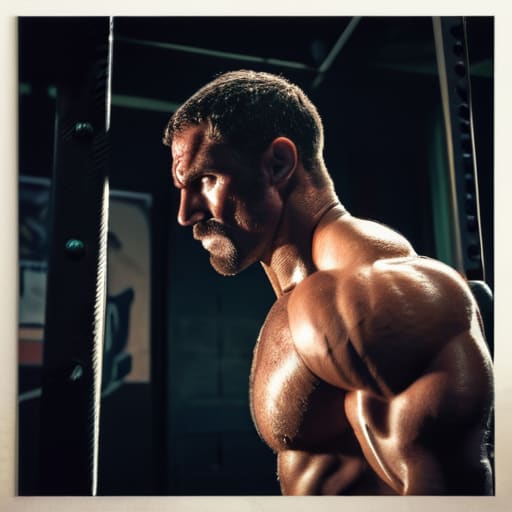
Look, I’ve seen too many athletes walk into the gym looking like ghosts because they’ve cut their calories so low they can barely hold a sprawl, let alone a heavy barbell. If you’re trying to manage your weight for a match, you cannot treat your body like an enemy to be starved. The goal isn’t just to see a smaller number on the scale; it’s about maintaining strength during weight loss so you don’t get bullied on the mat. When you starve yourself, your body starts scavenging your hard-earned muscle for energy, and that is the last thing you want when you’re trying to stay explosive.
To avoid that crash, you need to prioritize a low calorie high protein wrestling diet. Protein is your best friend here—it’s what protects your muscle tissue while you’re in a deficit. Instead of just cutting everything in sight, focus on nutrient density. Think lean meats, Greek yogurt, and plenty of greens. You want to feel satiated enough to actually complete your wrestling metabolic conditioning sessions without your brain fogging up halfway through. Stop the starvation cycle and start treating your food like the tactical tool it needs to be.
Combat Sports Body Composition Building Capability Over Aesthetics

We need to shift the conversation away from what you see in the mirror and toward what you can do on the mat. In my time coaching, I’ve seen too many athletes obsess over a specific “look” only to realize they’ve traded their explosive power for a lower number on the scale. When we talk about combat sports body composition, we aren’t chasing a physique for a photoshoot; we are building a machine that can handle a grueling third period. If you’re losing weight but your sprawl feels sluggish and your shots lack snap, you aren’t getting leaner—you’re just getting weaker.
The goal is to optimize your power-to-weight ratio. This means prioritizing functional density over sheer thinness. Instead of a crash diet that leaves you depleted, focus on a strategy that respects your physiology. By focusing on a low calorie high protein wrestling diet, you can shed unnecessary adipose tissue while protecting the lean muscle mass that actually wins matches. We train to be capable, heavy-handed, and resilient. If your weight loss plan compromises your ability to execute a takedown, it’s a bad plan.
The No-Nonsense Blueprint for Cutting Weight Without Crashing
- Prioritize protein at every single meal. If you’re cutting calories but skimping on protein, you aren’t losing fat—you’re losing the muscle you worked so hard to build in the weight room.
- Stop the “starvation cycle” before weigh-ins. Drastic, last-minute water cuts are a recipe for injury and poor performance; aim for a slow, steady descent that keeps your energy levels stable.
- Use your lifting sessions as your anchor. Even when you’re in a caloric deficit, keep your intensity high on the big compound lifts to signal to your body that it needs to hold onto its strength.
- Master your micronutrients, not just your macros. You can hit your calorie goal and still feel like garbage if you aren’t getting enough magnesium and iron to support your nervous system and recovery.
- Focus on sleep as a non-negotiable recovery tool. You can have the perfect meal plan, but if you’re running on four hours of sleep, your cortisol will spike and your body will fight you every step of the way.
The Bottom Line: Training for Performance, Not Just the Scale
Stop obsessing over the number on the scale and start tracking your performance metrics; if your strength and energy levels are tanking, your weight loss strategy is failing you.
Prioritize protein and consistent nutrient timing to protect your muscle mass so you’re actually getting leaner and more capable, rather than just smaller and weaker.
Consistency beats intensity every single time—build your nutrition and training around sustainable habits that support your lifestyle, not extreme protocols that leave you burnt out by mid-season.
The Trap of the Scale
“If you’re chasing a number on the scale at the expense of your power on the mat, you aren’t getting leaner—you’re just getting weaker. We don’t cut weight to look good in a singlet; we manage our body composition so we can dominate the person across from us.”
Tamsin Broadhurst
The Long Game

At the end of the day, managing your weight for wrestling isn’t about finding a magic pill or a restrictive diet that leaves you feeling like a shell of yourself. It’s about the intersection of smart fueling and disciplined, purposeful movement. We’ve talked about why you can’t starve your muscles if you want to stay explosive on the mat, and why your goal should be building a body that is capable of handling a heavy grind rather than just chasing a number on a scale. Remember, the goal is to drop the unnecessary weight while protecting the strength you’ve worked so hard to build.
Don’t let the process discourage you when the progress feels slow or the weight cuts get heavy. Strength is a skill, and just like a perfectly timed takedown or a solid sprawl, your nutritional discipline is a skill you have to practice every single day. Stop looking for shortcuts and start focusing on the consistency of your habits. You aren’t just training to fit into a weight class; you are training to be a force to be reckoned with. Now, grab your electrolytes, get your head right, and get back to work.
Frequently Asked Questions
How do I know if I'm cutting too much weight and actually losing muscle instead of just fat?
If you’re feeling weak on the mats or your top sets in the gym are plummeting, that’s your red flag. It’s not just “fatigue”—it’s a sign you’re cannibalizing muscle. Watch your recovery and your strength levels closely. If you can’t hit your usual numbers and you’re feeling lethargic during drills, you’ve cut too deep. Stop chasing the scale and start listening to your performance; your strength is the best metric you have.
Can I still hit my heavy lifting sessions if I'm in a calorie deficit for a competition?
Short answer: Yes, but you have to be smart about it. You aren’t going to set personal records while cutting weight, so stop chasing them. Focus on maintaining your current strength by prioritizing intensity over volume. Keep the weight on the bar heavy, but cut back on the total number of sets to manage fatigue. If you feel your form slipping or your CNS redlining, back off. We’re training to stay capable, not to burn out.
What are some easy ways to keep my energy up during practice when I'm cutting weight?
First, stop relying on caffeine to carry you through. It’ll just lead to a crash halfway through drills. Instead, focus on intra-workout electrolytes; I never step into a room without my shaker bottle. If you’re feeling that mid-practice slump, try a small amount of fast-acting carbs—like a few pieces of dried fruit—right before you hit the mats. It gives you immediate fuel without sitting heavy in your stomach while you’re wrestling.
