
I still remember the smell of stale sweat and old mats in that basement wrestling room where I spent my early twenties. I was strong on paper—I could squat heavy and deadlift more than most guys in the room—but the second someone initiated a chaotic transition, I was lost. I had the raw power, but I lacked the actual capability to handle the unpredictable nature of scramble-based movement. I was training for a photoshoot, not for the reality of a high-intensity struggle where bodies are twisting, pulling, and fighting for leverage in real-time.
I’m not here to sell you some overpriced, convoluted mobility program or tell you that you need a PhD to understand how to move better. My goal is to strip away the fluff and show you how to bridge the gap between static strength and functional chaos. We’re going to talk about how to integrate intentional, reactive patterns into your training so you stop being a powerhouse that freezes up the moment things get messy. I’m promising you nothing but science-backed, grit-tested methods that turn your strength into a skill you can actually use.
Table of Contents
- Building Combat Sports Kinetic Awareness Through Intentional Repetition
- Mastering Unpredictable Movement Patterns for Functional Strength
- Stop Training Like a Robot: 5 Ways to Master the Scramble
- The Bottom Line: Training for Capability
- Beyond the Linear Rep
- Moving Beyond the Static
- Frequently Asked Questions
Building Combat Sports Kinetic Awareness Through Intentional Repetition
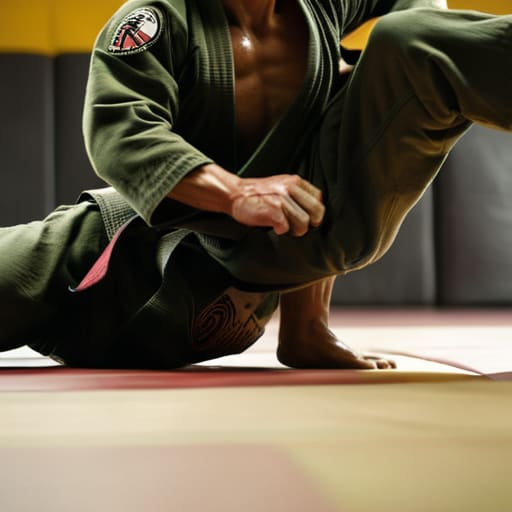
You can’t think your way through a scramble; you have to feel your way through it. This is where combat sports kinetic awareness becomes your most valuable asset. When you’re mid-roll or fighting for a position, your brain doesn’t have time to calculate angles—your body just has to know where its center of mass is. I tell my athletes that we aren’t just doing reps for the sake of being tired; we are programming the nervous system to recognize unpredictable movement patterns before they actually happen in a live match.
To get there, you need to move away from static stretching and toward mat-based agility training that actually mimics the chaos of a fight. I’m talking about drills that force you to shift your weight mid-motion or react to a sudden change in leverage. By focusing on ground game transitional flow through intentional, repetitive movement, you stop being a passenger in your own body. You start moving with intent, turning what used to feel like frantic scrambling into a controlled, tactical response.
Mastering Unpredictable Movement Patterns for Functional Strength
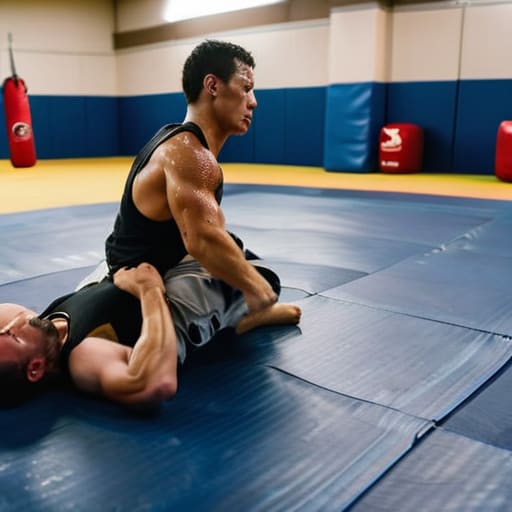
When you’re on the mat, things rarely go according to plan. You can have the most perfect, textbook technique in the world, but the second an opponent shifts their weight or creates a sudden opening, that “perfect” form goes out the window. This is why I’m so big on training for unpredictable movement patterns. If you only ever train in controlled, linear planes—like a standard squat or a deadlift—you’re going to feel incredibly lost the moment a scramble breaks out. You need to teach your nervous system to react to chaos, not just follow a script.
To bridge that gap, I recommend integrating more mat-based agility training into your weekly routine. We aren’t just looking for mindless cardio here; we’re looking for intentional, reactive stability. I want you to focus on drills that force you to manage your center of gravity while your limbs are in awkward, non-linear positions. By practicing these transitions, you develop the ability to maintain control even when your body is being pushed into unconventional angles. It’s about building a type of strength that actually survives the transition from a controlled setup to a messy, high-speed scramble.
Stop Training Like a Robot: 5 Ways to Master the Scramble
- Prioritize multi-planar movement over linear lifts. If you’re only moving up and down in a squat rack, you’re missing half the picture. You need to train your body to handle lateral shifts and rotational chaos if you want to be truly capable on the mat.
- Embrace the “controlled mess.” Scramble-based training isn’t about perfect, aesthetic form; it’s about maintaining structural integrity while your center of gravity is constantly shifting. Learn to find your stability even when you’re mid-transition.
- Integrate reactive drills into your strength sessions. Don’t just move through the motions of a drill; add a stimulus—like a partner’s touch or a sudden whistle—to force your nervous system to actually react rather than just following a pre-programmed script.
- Focus on ground-to-standing transitions. Real-world movement and combat aren’t played out on a bench. If you can’t move fluidly from a sprawled position back to your feet without losing your breath or your balance, you haven’t built functional strength yet.
- Fuel for the chaos, not just the lift. Scrambling is metabolically taxing and demands high neurological output. If you’re running on empty, your coordination will tank, and you’ll end up training bad habits instead of skill. Keep those electrolytes up.
The Bottom Line: Training for Capability
Stop training for a mirror and start training for the chaos; scramble-based movement turns theoretical strength into actual, usable power when things get messy.
Consistency beats intensity every single time—you build kinetic awareness through intentional, repetitive movement patterns, not by guessing in the weight room.
True functional strength isn’t just about how much you can squat, it’s about how well your body can navigate unpredictable, non-linear shifts in momentum.
Beyond the Linear Rep
Stop training like your life happens in a straight line. Real strength isn’t just about how much you can grind out on a barbell; it’s about the ability to find your footing and regain control when the world—or an opponent—throws you into total chaos.
Tamsin Broadhurst
Moving Beyond the Static

At the end of the day, training for a scramble isn’t about perfecting a single, polished movement; it’s about teaching your nervous system to stay composed when the floor disappears from under you. We’ve talked about why you need to prioritize kinetic awareness and why chasing unpredictable, chaotic patterns is what actually builds functional capability. If you only ever train in straight lines and controlled environments, you’re essentially training for a life that doesn’t exist. By integrating these intentional, scramble-based repetitions into your sessions, you aren’t just building muscle—you are building a body that knows how to react when things get messy.
Stop worrying about whether your form looks “pretty” in the mirror and start focusing on whether your body is capable of handling the chaos of a real match or a sudden shift in weight. Strength is a skill, and like any skill, it requires you to step out of your comfort zone and embrace the friction of movement you can’t quite predict. Don’t just train to look the part; train to be the person who can navigate the scramble with confidence. Get under the bar, get on the mats, and keep showing up. Consistency is the only way to turn that chaos into your greatest advantage.
Frequently Asked Questions
How do I balance these high-intensity scramble drills with my regular heavy lifting sessions without burning out?
Listen, you can’t redline every single day. If you’re trying to heavy lift and run high-intensity scramble drills, you have to treat your recovery like a discipline, not an afterthought. I recommend scheduling your scramble work on your lifting days or immediately after, so your true “off” days are actually for recovery. Prioritize your protein and don’t skimp on electrolytes—I never leave home without mine—to keep your nervous system from frying.
Can I actually use these movement patterns to improve my strength in the weight room, or are they strictly for mat work?
Absolutely. If you think these patterns are just for the mat, you’re leaving strength on the table. I use scramble-based principles in the weight room all the time to break through plateaus. Instead of just grinding out static reps, I’ll integrate unilateral work or rotational movements that force your core to stabilize against chaos. It’s about translating that “mat toughness” into raw, functional power. Don’t just lift weights; train your body to handle movement.
What kind of recovery or mobility work do I need to prioritize to prevent injury when training these unpredictable movements?
When you’re training for chaos, your joints take a beating. You can’t just chase static stretching; you need active mobility. Prioritize eccentric loading and controlled articular rotations (CARs) to bulletproof your hips and shoulders. I also swear by restorative yoga to reset my nervous system after a heavy scramble session. Think of it as maintenance: if you don’t invest time in stabilizing your joints now, your body will force a break later.
