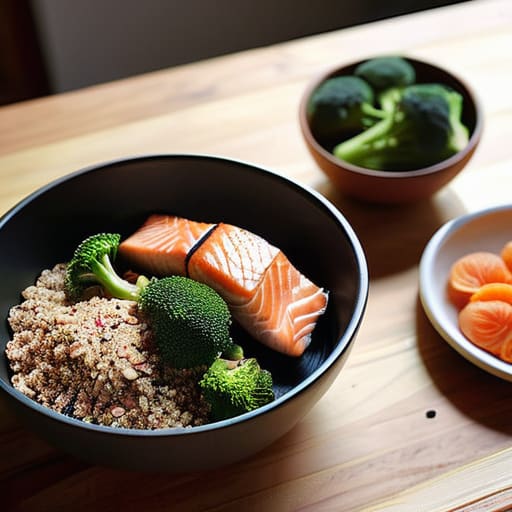
I still remember being nineteen, sitting on a cold floor in a high school wrestling room, staring at a half-eaten protein bar and feeling absolutely nauseous. I had followed some “expert” advice about eating a massive meal right before my live drilling session, and instead of feeling powerful, I just felt like I was going to heave every time I hit a double leg. People love to turn wrestling meal timing into this complex, expensive science involving specialized supplements and rigid, minute-by-minute schedules that nobody actually has time for. It’s exhausting, and frankly, most of it is just noise designed to sell you something you don’t need.
I’m not here to give you a complicated math equation or a list of overpriced powders. My goal is to give you the straightforward reality of how to fuel your body so you can actually execute your drills without hitting a wall. We’re going to strip away the nonsense and focus on practical, science-backed ways to manage your energy. I’ll show you how to coordinate your food so you’re hitting the mat with purpose, not just fighting your own stomach for dominance.
Table of Contents
Pre Workout Nutrition for Wrestlers Fueling the Grind
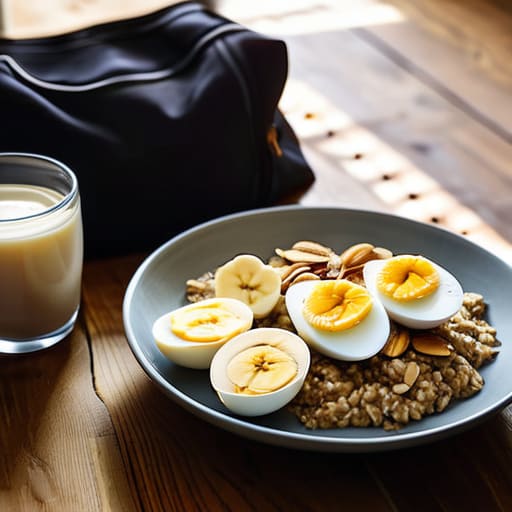
Think of your pre-training meal as the primer before you hit the mats. If you show up to a heavy drilling session on an empty tank, you aren’t just tired—you’re technically disadvantaged. To avoid that mid-practice crash, you need to prioritize blood sugar stability during training. I’m talking about a combination of complex carbohydrates and a moderate amount of protein about two to three hours before you step into the room. This gives your body enough time to digest so you aren’t sitting there feeling heavy or nauseous while trying to shoot for a double leg.
If you’re short on time and only have forty-five minutes before a session, skip the heavy meal and go for something quick and easily accessible, like a banana or a piece of toast with a thin layer of almond butter. The goal of effective pre-workout nutrition for wrestlers is to top off your energy stores without taxing your digestive system. You want to feel light, snappy, and ready to react. We train to be capable, so don’t let a poor meal choice be the reason you’re gassing out in the second period.
Blood Sugar Stability During Training to Avoid the Crash

There is nothing worse than being mid-drill, eyes locked on your opponent, and suddenly feeling that wave of dizziness or brain fog hit. That’s not a lack of toughness; it’s a physiological red flag. When you’re hitting high-intensity intervals or heavy wrestling rounds, your body is burning through glucose at an incredible rate. If your blood sugar stability during training isn’t managed, you aren’t just losing energy—you’re losing your edge. You become reactive instead of proactive, and in a match, that split-second delay is exactly what gets you taken down.
To prevent that mid-practice crash, you need to move away from the “sugar spike and crash” cycle. Relying on quick-fix candy or high-sugar sports drinks might give you a momentary buzz, but it sets you up for a massive slump ten minutes later. Instead, focus on a smart macronutrient distribution for combat sports that prioritizes complex carbohydrates paired with a bit of protein. This ensures a steady, controlled release of energy into your bloodstream. We want a slow burn that carries you through the final period, not a flash in the pan that leaves you gasping on the mats.
5 Ways to Master Your Fueling Schedule
- Stop treating your pre-practice meal like an afterthought; aim for a solid mix of complex carbs and lean protein about two to three hours before you hit the mats so you aren’t training on an empty tank or a heavy stomach.
- Keep a “rescue snack” in your gym bag—something like a banana or a quick-digesting granola bar—for those days when practice runs long and you feel your energy dipping mid-drill.
- Prioritize your post-training window by getting protein and carbs in within an hour of finishing; your muscles need those nutrients to repair the damage from those heavy shots and scrambles.
- Don’t ignore the importance of hydration timing; sip your electrolytes consistently throughout the day rather than trying to chug a liter right before you step on the mat.
- Learn to listen to your body’s hunger cues instead of following a rigid, perfectionist schedule; if you’ve had a particularly grueling session, your body will tell you exactly when it needs more fuel to recover.
The Bottom Line: Making Nutrition Work for You
Stop treating your meals like an afterthought; treat them like the fuel that dictates whether you dominate your drills or fade out halfway through a session.
Prioritize complex carbs and steady protein before you step on the mat to keep your energy from spiking and crashing when you need it most.
Focus on consistency over perfection—the goal isn’t a perfect diet, it’s a reliable fueling strategy that supports your strength and your recovery.
Precision Over Perfection
Stop treating your nutrition like a math problem and start treating it like a tactical advantage; if you aren’t timing your fuel to match your intensity, you’re leaving performance on the mat.
Tamsin Broadhurst
Making It Stick
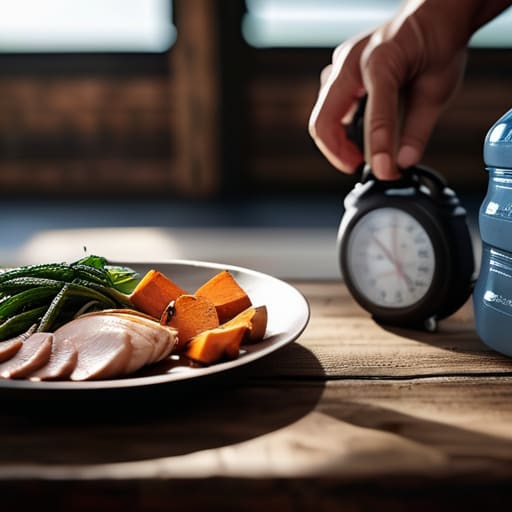
At the end of the day, wrestling meal timing isn’t about perfection or following a rigid, scientific spreadsheet to the minute. It’s about removing the guesswork so you aren’t gasping for air halfway through a live wrestling session because you skipped a meal or ate something that left you feeling heavy. We’ve talked about fueling up before you hit the mats, keeping your blood sugar steady to avoid that mid-drill crash, and ensuring your recovery starts the moment you step off the mat. If you can master these basic windows of strategic fueling, you’re already ahead of ninety percent of the people in your weight class. Stop treating nutrition like a chore and start treating it like the essential tool it is for your performance.
I know how exhausting it can be to balance a training schedule with real life, but remember that strength is a skill you build through consistency, not luck. Every time you choose the right fuel instead of just grabbing whatever is convenient, you are making a deposit into your physical bank account. You aren’t just eating to stay full; you are eating to be capable, resilient, and dangerous on the mat. Don’t get discouraged if you mess up a meal here or there—just get back to the fundamentals and keep showing up. You’ve got the work ethic; now, let’s make sure your nutrition has your back.
Frequently Asked Questions
What should I eat if I have a heavy practice right after school or work but only have thirty minutes to prep?
Look, I’ve been there—stuck between a desk and the mats with zero time. If you’ve only got thirty minutes, stop trying to cook a gourmet meal. Grab something fast with easy carbs and a little protein. A Greek yogurt with granola, a peanut butter sandwich on whole-grain bread, or even a quick protein shake with a banana works. Focus on simplicity; you need quick energy that won’t sit heavy in your stomach while you’re drilling.
Is it actually worth eating a small snack mid-session, or will that just make me feel heavy while I'm drilling?
It depends entirely on your intensity and how long you’re on the mats. If you’re doing a standard sixty-minute technical session, you’re fine without it. But if you’re pushing through a heavy two-hour grind, that mid-session hit of fast-acting carbs—think a gel or a handful of dried fruit—can be a lifesaver. Just keep it liquid or simple. Avoid anything heavy or high-fiber; you want fuel in your system, not a brick in your stomach.
How do I adjust my meal timing on days when I’m just doing light mobility work versus days I’m hitting heavy lifting or live wrestling?
Think of your food as a sliding scale, not a rigid rulebook. On light mobility days, you don’t need to be slamming massive amounts of carbs; focus on steady protein and fiber to keep things stable. But when you’re hitting heavy triples or live wrestling, you need that high-octane fuel. Increase your carbohydrate intake around those intense windows to ensure you aren’t running on empty when the intensity spikes. Match your fuel to your output.
