I still remember the smell of stale sweat and old mats in that cramped local gym where I spent my early twenties, gasping for air after a failed shot. I used to think that if I just got stronger—if I could just squat more or deadlift more weight—my shots would naturally start landing. I was wrong. I spent months grinding out heavy sets only to realize my brute force meant nothing because my takedown mechanics were fundamentally broken. You can have all the explosive power in the world, but if your level change is lazy and your head position is off, you aren’t a wrestler; you’re just a target waiting to get countered.
I’m not here to sell you on some magic supplement or a complicated, theoretical system that only works in a textbook. My goal is to strip away the fluff and give you the functional reality of what it takes to actually control an opponent. We are going to break down the precise, repeatable movements that turn a desperate scramble into a dominant finish. I’m going to show you how to build the consistent technical foundation required to make these shots an instinctive part of your movement, rather than a lucky guess.
Table of Contents
- Perfecting Wrestling Shot Technique for Reliable Results
- The Physics of Control Managing Center of Gravity in Wrestling
- Small Adjustments for Big Impact: 5 Ways to Tighten Your Takedowns
- Key Takeaways for Dominating the Mat
- ## Precision Over Power
- Putting the Work into Practice
- Frequently Asked Questions
Perfecting Wrestling Shot Technique for Reliable Results
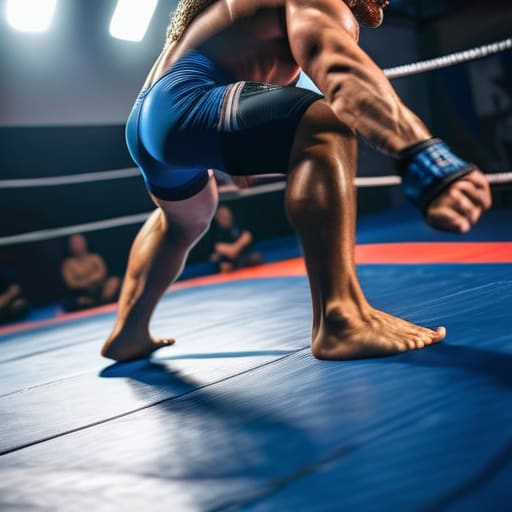
When you’re out on the mats, you don’t have time to overthink your movement; your body has to react before your brain even processes the opening. To get there, you need to focus heavily on your center of gravity in wrestling. If your hips are too high or you’re leaning too far forward before you initiate, you’re essentially handing your opponent an easy way to sprawl on you. I tell my athletes that a successful shot starts from the ground up—it’s about that explosive level change that keeps you underneath their defenses.
Once you’ve mastered the setup, the actual execution of your double leg takedown mechanics comes down to driving through the contact. It isn’t just about grabbing a leg; it’s about the relentless forward pressure and the ability to finish even when they fight back. I’ve seen too many people lose momentum because they stop their feet once they make contact. You have to keep those legs churning. If you want reliable results, stop treating the shot like a singular event and start treating it like a continuous chain of movement that doesn’t end until they’re flat on their backs.
The Physics of Control Managing Center of Gravity in Wrestling

If you’ve ever felt like you’re powering through a shot only to have your opponent sprawl and flatten you, the problem usually isn’t your hustle—it’s your physics. When we talk about center of gravity in wrestling, we aren’t just talking about theory; we’re talking about the difference between a successful finish and getting stuffed. To maintain control, you have to keep your hips underneath your shoulders. If your butt is riding high or you’re reaching too far forward, you’re essentially handing your opponent a lever to push you right back.
This is especially true when you’re refining your low single takedown execution. Because you’re operating in such a tight space, even a slight misalignment of your weight can cause you to lose your base. You need to stay compact and heavy. Instead of just driving blindly, focus on driving your head into the correct plane and keeping your weight centered over your lead leg. When you master this balance, you stop fighting against your own momentum and start using it to dictate exactly where your opponent lands.
Small Adjustments for Big Impact: 5 Ways to Tighten Your Takedowns
- Stop reaching, start driving. One of the biggest mistakes I see is people “reaching” for the leg, which leaves their head exposed and their hips too far away. Instead, focus on penetrating with your lead knee and keeping your hips close to your opponent’s center of gravity.
- Fix your head position. Your head isn’t just a part of your body; it’s a tool for control. If your head is tucked or drifting away from their torso, you’ve lost your leverage. Keep your forehead pressed firmly into their chest or shoulder to create that constant, driving pressure.
- Hand fighting isn’t a side quest. You can’t just shoot blindly and hope for the best. Use your hands to clear their wrists and control their tie-ups before you ever commit to the shot. If you haven’t won the hand fight, you haven’t won the takedown.
- Drive through, not just to, the target. A lot of lifters stop their momentum the second they hit the leg. That’s how you get sprawled on. You need to train your brain to see the contact point as the beginning of the drive, not the end of the movement.
- Master the level change. If you’re bending at the waist, you’re going to get stuffed every single time. I tell my athletes all the time: drop your hips, not your back. A true level change comes from the legs and hips, allowing you to penetrate underneath their defense rather than crashing into it.
Key Takeaways for Dominating the Mat
Stop guessing and start drilling; technical mastery of your shot only comes through repetitive, high-quality practice until it becomes muscle memory.
Control isn’t just about strength; it’s about physics. Keep your center of gravity low and stable to prevent your opponent from turning your own momentum against you.
Treat your training like a skill, not a lottery. Consistency in both your mechanics and your recovery is what builds a truly capable athlete.
## Precision Over Power
“A takedown isn’t won by how hard you hit the mat; it’s won in the split second you align your hips, find their center of gravity, and execute a movement so mechanically sound that it feels less like a struggle and more like an inevitability.”
Tamsin Broadhurst
Putting the Work into Practice
At the end of the day, a dominant takedown isn’t some magic trick you stumble upon during a scramble; it’s the direct result of how you manage your mechanics. We’ve talked about the importance of a precise shot and the absolute necessity of controlling your center of gravity to prevent being sprawled on or countered. If you aren’t thinking about your hips, your level change, and your weight distribution, you’re essentially leaving your success up to chance. Remember, consistency in your drilling is what bridges the gap between a theoretical technique and a functional, heavy takedown that actually works when the pressure is on.
I know the grind of repetitive drilling can feel tedious, especially when you’d rather be hitting heavy sets in the weight room or moving on to something new. But I promise you, that discipline is where the real strength is forged. Don’t just train to look the part; train so that your body knows exactly what to do when you’re exhausted in the third period. Every rep, every corrected stance, and every controlled shot is an investment in your capability. Build the skill, fuel the movement, and trust the process. You have the tools—now go out there and execute.
Frequently Asked Questions
How do I know if I'm actually using my hips to drive the shot or if I'm just relying too much on my arms?
If you feel a burning sensation in your biceps or shoulders right after a shot, you’re arm-driving, not hip-driving. Real power comes from the glutes and hips. Next time you drill, focus on your contact point: your hips should be driving into their midsection, not just your hands pulling at their legs. If you feel like you’re “pulling” them down instead of “pushing” through them, you’ve lost your drive. Use your legs to create the momentum.
What kind of strength training should I prioritize to make sure my takedowns don't fail when I hit a heavy opponent?
If you’re hitting heavy opponents and feeling that resistance, you don’t need more “gym strength”—you need explosive, functional power. Prioritize compound movements like Zercher squats and heavy deadlifts; they mimic the awkward, heavy loading you feel mid-shot. Don’t skip unilateral work, either. Single-leg lunges and Bulgarian split squats build the stability needed to drive through a resisting opponent without your base collapsing. Train to be unmovable, not just big.
How can I maintain my level of control and center of gravity once the opponent starts scrambling to get back up?
When the scramble starts, your biggest mistake is chasing their hips. Instead, focus on heavy pressure and staying “glued” to them. Think of your center of gravity as an anchor; if you stand up or reach too wildly, you’re giving them the space they need to pop back up. Keep your hips low, maintain chest-to-chest or chest-to-back contact, and use your weight to stifle their movement. Control the space, don’t just react to the chaos.
