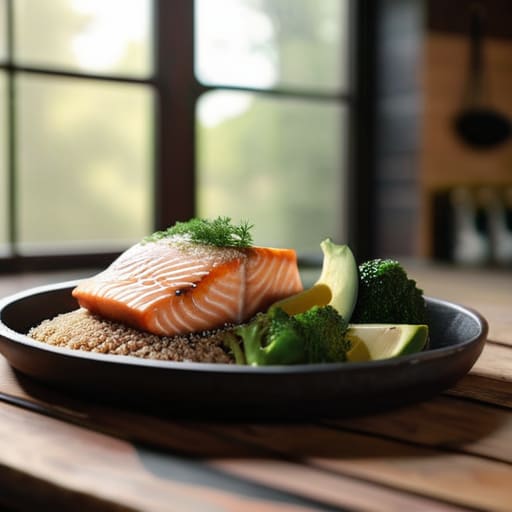
I still remember the smell of stale sweat and industrial floor cleaner in the high school wrestling room, sitting on a bruised bench and wondering why my body felt like it was falling apart. I was hitting the mats hard, but I was treating my post-practice meals like an afterthought, grabbing whatever junk was closest just to stop the hunger. I thought I could out-train a bad diet, but I quickly learned that neglecting wrestling recovery nutrition is the fastest way to hit a plateau—or worse, end up on the injury list. You can have all the grit in the world, but if you aren’t fueling the engine, you’re just running on empty.
I’m not here to sell you on expensive, neon-colored supplements or complicated meal plans that require a chemistry degree to understand. Instead, I’m going to give you the straight truth about how to eat so you can actually show up to your next session feeling capable and strong. We’re going to strip away the hype and focus on practical, science-backed ways to use food as fuel for your movement.
Table of Contents
- Precision Timing Why Post Match Meal Timing Dictates Your Next Session
- The Science of Sustaining Power via Macronutrient Ratios for Wrestlers
- The Recovery Toolkit: 5 Ways to Stop Undereating Your Training
- The Bottom Line: Building Your Recovery Blueprint
- Stop Treating Food Like an Afterthought
- Bringing It Home
- Frequently Asked Questions
Precision Timing Why Post Match Meal Timing Dictates Your Next Session

If you wait three hours to eat after a heavy session, you’ve already lost the battle. I see it all the time in the gym: athletes grinding through a brutal mat session, then sitting around scrolling on their phones while their bodies start to break down. That window immediately following a match is your most critical opportunity for muscle soreness prevention. When you deplete your glycogen stores during intense wrestling, your body enters a catabolic state. If you don’t intervene quickly with the right nutrients, you aren’t just tired; you’re actively slowing down your ability to train effectively tomorrow.
It’s not about being obsessive with a stopwatch, but you need to understand that post-match meal timing acts as the bridge between exhaustion and adaptation. I want you to prioritize getting a mix of high-quality protein and fast-acting carbohydrates into your system within sixty to ninety minutes of stepping off the mat. This isn’t just about refilling the tank; it’s about signaling to your nervous system that the stress is over and the repair process can begin. Treat that first meal like a tactical move—it’s the foundation for your next session.
The Science of Sustaining Power via Macronutrient Ratios for Wrestlers

When we talk about macronutrient ratios for wrestlers, we aren’t just talking about hitting numbers on a tracking app; we’re talking about biological efficiency. After a grueling session on the mats, your body is essentially a sponge looking for specific tools to repair damage. You need a high-quality protein source to kickstart muscle protein synthesis, but if you skip the complex carbohydrates, you’re leaving your engine empty. I tell my athletes that carbs aren’t the enemy—they are the primary mechanism for replenishing glycogen stores so you don’t feel like a zombie during tomorrow’s drilling.
The balance between these macros also plays a massive role in managing systemic stress. I focus heavily on incorporating healthy fats and colorful micronutrients because they are essential for reducing inflammation through diet. If your plate is nothing but plain chicken and white rice, you’re missing the anti-inflammatory compounds found in things like omega-3s or leafy greens that help mitigate that heavy, beaten-down feeling. We aren’t just eating to survive the cut; we are eating to ensure your body can actually rebuild itself stronger than it was before the whistle blew.
The Recovery Toolkit: 5 Ways to Stop Undereating Your Training
- Prioritize protein, but don’t obsess over the math. Aim for a solid dose of high-quality protein after every session to kickstart muscle repair, but don’t let the “perfect” number stop you from eating something nutritious.
- Hydration is more than just water. If you’re coming off a heavy grind or a weight cut, you need electrolytes—sodium, potassium, and magnesium—to actually replenish what you sweated out, otherwise, you’re just spinning your wheels.
- Don’t fear the carbs. Carbs aren’t the enemy; they are your primary fuel source. If you aren’t replenishing your glycogen stores with complex carbohydrates after a match, your next training session is going to feel like moving through sludge.
- Listen to your body’s hunger cues instead of a rigid calorie count. On heavy wrestling days, your energy demands spike; if you feel depleted or irritable, it’s a sign you haven’t fueled enough to support the work you’re putting in.
- Simplify your meal prep to avoid the “emergency” junk food trap. Having easy, grab-and-go options like Greek yogurt, pre-cooked chicken, or even a high-quality protein shake ensures you aren’t skipping the most critical recovery window because you were too tired to cook.
The Bottom Line: Building Your Recovery Blueprint
Stop treating nutrition like an afterthought; view your meals as the literal fuel that dictates whether you’re hitting your marks in the next practice or just dragging through it.
Focus on the fundamentals of macronutrient balance to ensure you’re repairing muscle tissue and restoring glycogen levels, rather than just eating to feel full.
Consistency beats perfection every single time—it’s better to have a reliable, simple fueling plan you can actually stick to than a complex diet that falls apart the moment your training schedule gets heavy.
Stop Treating Food Like an Afterthought
You wouldn’t show up to a match without your headgear or your shoes, so stop showing up to your recovery without the right fuel; if you aren’t eating to rebuild, you’re just breaking yourself down for nothing.
Tamsin Broadhurst
Bringing It Home
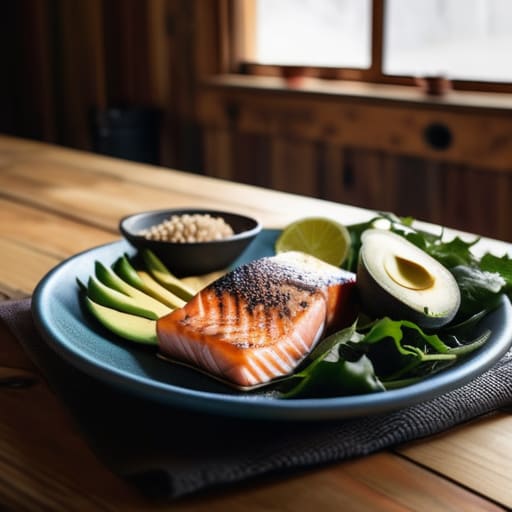
At the end of the day, wrestling recovery isn’t about chasing perfection or following some complicated, restrictive diet you saw on social media. It’s about the fundamentals: getting your macros in the right proportions to support your muscle tissue, timing your nutrients so you aren’t hitting the mat on an empty tank, and treating your food as the essential fuel your body demands to repair itself. If you can master the basics of fueling your movement and respecting your recovery windows, you’re already ahead of ninety percent of the people in the room. Stop viewing nutrition as a chore and start seeing it as a strategic advantage that keeps you on the mat instead of on the sidelines.
Remember, the work you do in the kitchen is just as vital as the work you do on the mats or in the squat rack. You can have the best technique in the world and the most explosive drive, but if you aren’t fueling the engine, you’re eventually going to stall out. Strength is a skill, and that includes the skill of sustaining your own power through smart, consistent choices. Don’t just train to look a certain way; train to be unshakeable and capable in every match you step into. Now, grab your shaker bottle, get your nutrients in, and get ready for tomorrow.
Frequently Asked Questions
How much protein do I actually need to hit after a heavy mat session to see real recovery?
Look, I don’t want you getting lost in the math, but you can’t wing this if you want to actually recover. Aim for about 25 to 40 grams of high-quality protein right after you step off the mats. That’s enough to kickstart muscle protein synthesis without making it a chore. Whether it’s a shake or some chicken and rice, just hit that window and get back to fueling up.
Can I just use a protein shake for my post-match meal, or do I really need a full plate of food?
Look, if you’re in a massive rush, a shake won’t kill you, but it’s not a complete strategy. A shake is great for quick amino acids, but it lacks the complex carbs and micronutrients your body needs to actually replenish glycogen and repair tissue long-term. Think of a shake as a bridge, not the destination. If you want to stay capable for tomorrow’s grind, aim for a real plate of food whenever possible.
What are some quick, easy meal ideas for when I'm too exhausted after training to actually cook?
Look, I get it. After a heavy session on the mats, the last thing you want to do is stand over a stove. When I’m wiped, I lean on “assembly meals.” Think Greek yogurt with granola and berries, or a quick turkey and avocado wrap. If you have zero energy, even a protein shake and a banana will do more for your recovery than skipping food entirely. Keep it simple; just get the fuel in.
