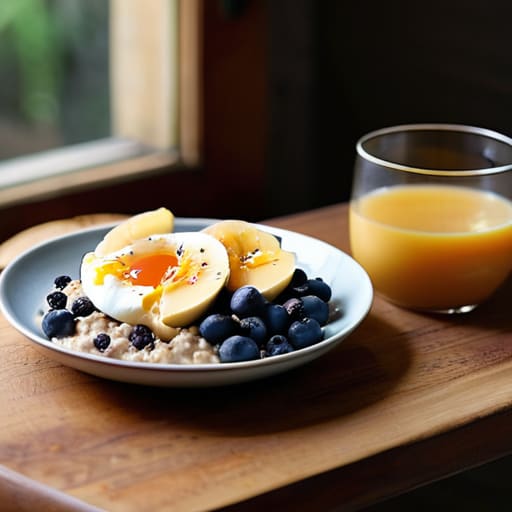
I still remember the smell of stale gym mats and cheap, sugary cereal hitting me at 6:00 AM during my early wrestling days. Back then, I thought “fueling up” meant grabbing whatever processed junk was easiest before a morning grind, only to end up crashing halfway through my first drill. Most people will tell you that you need some expensive, hyper-niche superfood to sustain your energy, but let’s get real: most of those “elite” wrestling breakfast options are just overpriced marketing fluff designed to drain your wallet. You don’t need a complicated ritual; you need actual fuel that works as hard as you do on the mat.
I’m not here to sell you a lifestyle or a magic pill. My goal is to give you a straightforward, science-backed toolkit of meals that prioritize sustained energy and muscle recovery without the nonsense. We are going to strip away the hype and focus on functional nutrition that supports your strength and your output. I’ll show you how to build a plate that keeps you steady and capable from the first whistle to the final takedown, using real food that fits into a busy athlete’s life.
Table of Contents
High Protein Breakfast for Wrestlers to Build Consistent Strength

If you’re showing up to the mat on an empty tank, you’ve already lost the first exchange. To build real, functional power, you need a high protein breakfast for wrestlers that actually sticks with you. I’m not talking about a sugary cereal that leaves you crashing by the second period; I’m talking about complex macros that support muscle repair and steady output. Think Greek yogurt bowls loaded with hemp seeds and berries, or a scramble with three eggs and smoked salmon. These aren’t just meals; they are the building blocks for the strength you’re trying to cultivate.
The real secret, though, lies in your pre-practice meal timing. If you eat a massive steak and eggs right before a heavy drilling session, you’re going to feel sluggish and heavy. Aim to get that protein and complex carb combo in about ninety minutes to two hours before you step onto the mats. This ensures you have sustained energy for athletes without that uncomfortable “brick in the stomach” feeling. We train to be capable, and that capability starts with how you fuel your engine before the whistle even blows.
Mastering Pre Practice Meal Timing for Peak Performance
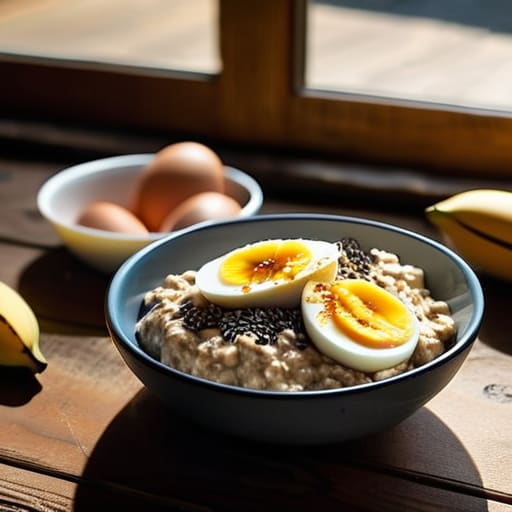
Timing is everything when you’re staring down a grueling two-hour practice session. I see too many athletes show up to the mats on an empty stomach, only to crash halfway through a live drilling circuit. If you want sustained energy for athletes who are actually competing, you have to stop treating your pre-practice window like an afterthought. Ideally, you want to eat a substantial meal about two to three hours before you hit the mats. This gives your body enough time to move through the heavy lifting of digestion so you aren’t sitting there feeling sluggish or nauseous while trying to shoot for a double leg.
If your practice is coming up sooner than that, you need to pivot your strategy. Instead of a massive plate, aim for something lighter that focuses on a moderate glycemic index for sports performance. Think of it as a tactical strike: you want quick-access carbohydrates that won’t sit heavy in your gut. A piece of fruit or a small bowl of oatmeal can bridge the gap without causing a blood sugar spike and subsequent crash. Don’t overcomplicate the math; just ensure you have enough fuel to maintain your intensity from the first whistle to the final mat burn.
Five Ways to Stop Guessing and Start Fueling
- Prioritize complex carbs over sugar; swap the sugary cereal for steel-cut oats or whole-grain toast so you aren’t crashing halfway through your first period on the mat.
- Don’t fear the fats; adding a bit of avocado or nut butter to your breakfast provides the sustained energy density you need for those grueling, multi-hour practice sessions.
- Hit your protein minimums early; aim for at least 30 grams of protein in your morning meal to kickstart muscle recovery and keep your hunger levels stable throughout the day.
- Hydrate before you caffeinate; drink a full glass of water—ideally with some electrolytes—before you even touch your coffee to counteract the dehydration that happens overnight.
- Prep for the morning rush; if you’re running late for training, have hard-boiled eggs or overnight oats ready to go so you don’t end up training on an empty tank.
The Bottom Line for Your Morning Routine
Stop treating breakfast like an afterthought; if you aren’t fueling with a mix of protein and complex carbs, you’re leaving performance on the table before you even hit the mats.
Timing is everything—aim to get your solid food in well enough before training so your body is busy digesting fuel instead of fighting off cramps mid-drill.
Focus on consistency over perfection, because building a resilient body requires a reliable nutritional foundation that you can actually maintain day after day.
Fueling the Grind
“Stop treating your breakfast like an afterthought; if you’re showing up to the mat on an empty tank, you’ve already lost the first round. Eat for the work you’re about to do, not just to check a box.”
Tamsin Broadhurst
Fueling Your Next Session

At the end of the day, your breakfast isn’t just a meal; it’s the tactical foundation for everything you do on the mats. Whether you’re leaning into high-protein options to support muscle recovery or mastering that precise pre-practice window to avoid a mid-drill crash, the goal is the same: stability. Stop treating your morning nutrition like an afterthought or a chore. If you prioritize consistent, nutrient-dense fuel over sugary convenience, you’re giving your body the tools it needs to handle the grind. Remember, you can’t expect to execute a perfect takedown if you’re running on empty.
I know how easy it is to fall into the trap of thinking that strength happens by accident or through sheer willpower alone. It doesn’t. It’s built in the small, disciplined choices you make before you even lace up your wrestling shoes. Use your nutrition as a weapon, not a weakness. Train to be capable, eat to be powerful, and show up every single morning ready to outwork the person you were yesterday. Strength is a skill, and your breakfast is where that skill begins to take shape. Now, go get after it.
Frequently Asked Questions
Is it actually okay to eat a heavy breakfast right before a morning practice, or should I be sticking to something lighter?
Listen, if you’re heading into a heavy drilling session or live wrestling, a massive, heavy breakfast is a recipe for disaster. I’ve seen too many athletes hit the mats feeling sluggish or, worse, nauseous because they tried to eat a full plate of pancakes right before practice. Keep it light and carb-focused if you’re on a tight timeline. Save the heavy lifting—and the heavy eating—for your post-practice recovery meal.
How much protein do I really need in the morning to prevent muscle breakdown during a heavy wrestling session?
Stop guessing and start fueling. If you’re heading into a heavy wrestling session, aim for 30 to 40 grams of high-quality protein. That’s the sweet spot to trigger muscle protein synthesis and keep your body from scavenging its own tissue when the intensity ramps up. Don’t just settle for a single egg; go for Greek yogurt, egg whites, or a solid serving of lean meat. You need those amino acids ready to work.
If I'm cutting weight for a match, what are my best options for a breakfast that provides energy without causing a scale spike?
When you’re cutting weight, you have to stop chasing volume and start chasing nutrient density. Avoid the heavy, salt-laden processed stuff that causes massive water retention. Instead, go for something like egg whites with spinach and a small serving of berries. It gives you the amino acids for muscle retention and enough fiber to keep you steady without the massive carb-load that triggers a scale spike. Keep it clean, keep it light, and keep your energy stable.
