
I still remember being twenty years old, sitting on a sweaty gym mat with my stomach doing somersaults because I’d spent too much time scrolling through “influencer” diet hacks. I was trying to optimize every single gram of macronutrient, convinced that some expensive, neon-colored powder was the magic key to my performance. In reality, I was just exhausting myself with unnecessary complexity. Most of the advice you see online regarding wrestling pre workout nutrition is just noise designed to sell you supplements you don’t need. You don’t need a chemistry degree to fuel a training session; you just need to stop overcomplicating the basics and start eating for the work you actually have to do.
I’m not here to sell you a lifestyle or a miracle pill. My goal is to strip away the nonsense and give you a straightforward blueprint for fueling your body so you can stay sharp and powerful on the mat. We’re going to focus on practical, science-backed strategies that prioritize sustained energy over temporary hype. I’ll show you how to time your meals so you aren’t hitting a wall mid-drill, ensuring your nutrition supports your capability rather than becoming another obstacle in your training.
Table of Contents
Optimal Macronutrient Ratios for Combat Sports Capability

When we talk about optimal macronutrient ratios for combat sports, I want you to stop thinking about “dieting” and start thinking about fueling the output. Wrestling isn’t a steady-state activity; it’s a series of explosive bursts followed by intense isometric holds. To handle that, your plate needs to be heavy on complex carbohydrates for endurance. I usually aim for a ratio that prioritizes carbs to replenish glycogen, paired with a moderate amount of lean protein to protect your muscle tissue during those high-intensity scrambles.
You don’t want to crash halfway through a second period. This is where understanding the glycemic index for athletes becomes a game-changer. If you go too heavy on simple sugars right before you step on the mat, you’re setting yourself up for a blood sugar spike and an even harder drop. Instead, focus on slow-burning fuel that provides sustained energy for wrestling matches. By balancing your macros this way, you aren’t just eating for calories—you’re building the metabolic foundation required to stay technical and powerful when the fatigue starts to set in.
Complex Carbohydrates for Endurance and Mat Strength
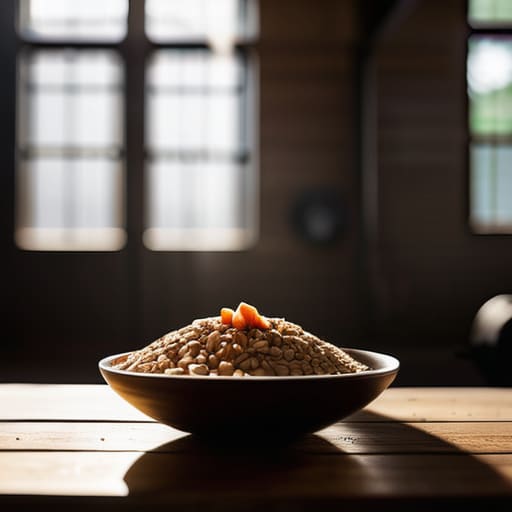
If you’ve ever felt that sudden, heavy-legged sensation halfway through a third period, you know exactly what happens when your fuel runs dry. You can’t afford to crash when you’re trying to secure a takedown. This is where complex carbohydrates for endurance become your best friend. Unlike simple sugars that give you a quick spike and a nasty drop, slow-burning carbs like sweet potatoes, oats, or brown rice provide the sustained energy for wrestling matches that you actually need to stay technical when the fatigue sets in.
When I’m programming nutrition for my athletes, I focus on the glycemic index for athletes to ensure they aren’t just eating “healthy,” but eating strategically. You want foods that digest steadily so you aren’t sitting on the mat feeling bloated, but you also aren’t running on empty. Think of these carbs as a slow-release battery; they keep your glycogen stores topped off so you can maintain your explosive power from the first whistle to the final buzzer. Consistency on the mat starts with what’s in your bowl.
Five Non-Negotiables for Your Pre-Mat Fueling Strategy
- Timing is everything; aim to finish your substantial meal about two to three hours before you hit the mats so your body isn’t fighting digestion while you’re fighting an opponent.
- Keep the fiber low right before training to avoid that heavy, bloated feeling in your gut when you’re hitting shots or scrambling.
- Don’t skip the salt; if you’re a heavy sweater, adding a pinch of sodium to your pre-workout hydration helps maintain your blood volume and prevents cramping mid-round.
- Prioritize liquid or easily digestible carbs if you’re short on time, like a banana or a small smoothie, rather than trying to force down a heavy bowl of oatmeal thirty minutes before practice.
- Listen to your body over the “rules”—if a specific meal makes you feel sluggish or nauseous during live wrestling, scrap it and find a fuel source that actually works for your unique physiology.
The Bottom Line for Your Next Session
Stop treating nutrition like a math problem and start treating it like fuel; prioritize enough carbs and protein to actually power through your drills without hitting a wall.
Timing matters, but consistency matters more—aim for a solid meal a few hours before you step on the mat so you aren’t training on an empty tank or a heavy stomach.
Listen to your body’s signals during live wrestling; if you’re feeling sluggish or lightheaded, your pre-workout fuel is likely the culprit, not your conditioning.
Fueling the Mat Capability
Stop treating your pre-training meal like a math problem and start treating it like tactical preparation; you wouldn’t step onto the mat without your gear, so don’t step onto it without the fuel required to actually execute your technique.
Tamsin Broadhurst
Fueling the Long Game

At the end of the day, wrestling pre-workout nutrition isn’t about chasing perfection or following some arbitrary, restrictive diet. It’s about the basics: hitting your carbohydrate targets to sustain that high-intensity output, balancing your macros to prevent mid-practice crashes, and choosing foods that actually serve your movement rather than weighing you down. If you get the foundation of your fuel right—focusing on accessible, nutrient-dense options—you stop fighting your own body and start working with it. Stop treating your nutrition like a math problem and start seeing it as the essential toolkit for everything you do on the mat.
Remember, the work you put in during your sessions is only as good as the energy you provide to get there. You don’t show up to the mat to look a certain way; you show up to be capable, resilient, and strong. Every meal is an opportunity to build that capability. Don’t let a lack of preparation be the reason you gas out in the third period or miss a shot because your blood sugar plummeted. Trust the process, stay consistent with your fueling, and let your training reflect the hard work you’ve put into your nutrition. Build your strength from the inside out.
Frequently Asked Questions
Is there a specific time window I should aim for between my last meal and hitting the mats to avoid cramping?
Ideally, you want to aim for a two to three-hour window between a full meal and hitting the mats. This gives your body enough time to actually digest the food so your blood flow stays focused on your muscles rather than your stomach. If you’re running low on time and only have 30 to 60 minutes, skip the heavy stuff and stick to something light and easily digestible, like a piece of fruit.
Should I be looking at supplements like caffeine or creatine, or is real food enough to get me through a hard practice?
Look, real food is your non-negotiable foundation. If you aren’t hitting your macros, no pill is going to save your practice. That said, supplements aren’t magic; they’re just tools. Creatine is a solid, science-backed win for explosive power on the mat, and caffeine can help when you’re dragging through a late session. Use them to bridge the gap, but don’t use them to replace a proper meal. Fuel first, supplement second.
How do I adjust my pre-workout intake if I'm cutting weight for a tournament versus a standard training day?
When you’re cutting weight, the temptation is to just stop eating, but that’s how you end up flat and useless on the mat. On a standard training day, eat for performance. When you’re tapering for a tournament, focus on nutrient density. Prioritize high-quality proteins and small, timed hits of easy-to-digest carbs. You want to keep your glycogen levels stable enough to actually wrestle, even if your total calories are lower. Don’t starve your strength.
