
I remember sitting on the edge of a sweat-soaked mat in a cramped wrestling gym, watching a lifter ego-trip through a set of heavy deadlifts. The sound of the plates clanging was loud, but the sound of his lower back rounding under the load was even louder in my head. It’s the same sight I see every week in my coaching sessions: people treating the barbell like a trophy instead of a tool. They think adding more plates to the bar is progress, but if you’re ignoring the common mistakes in compound lifting exercises, you aren’t actually getting stronger—you’re just practicing how to get injured.
I’m not here to sell you a complicated twelve-step system or a fancy piece of equipment you don’t need. My goal is to strip away the noise and get you back to the fundamentals of movement. I’m going to walk you through the specific technical breakdowns that actually matter, so you can stop gambling with your joints and start building real, functional skill. We’re going to fix your mechanics, optimize your fuel, and make sure every single rep you take is moving you toward capability, not just vanity.
Mastering Proper Form for Heavy Lifts Over Ego
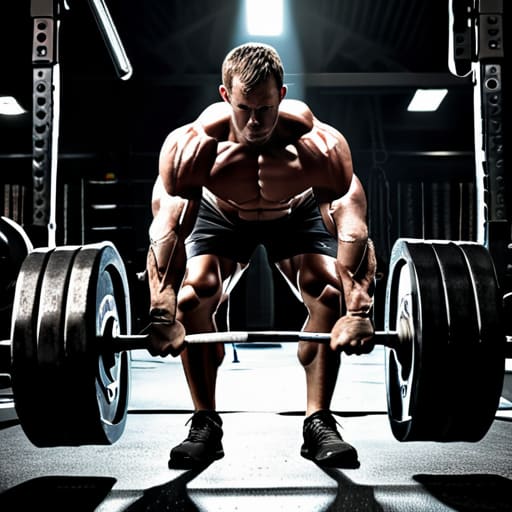
I’ve seen it a hundred times in the gym: someone loads up the bar, eyes wide with adrenaline, and then proceeds to sacrifice their spine just to see a specific number on the plates. Look, I get the rush of hitting a PR, but if your back is rounding like a frightened cat during a deadlift, you aren’t getting stronger—you’re just gambling with your joints. Mastering proper form for heavy lifts isn’t about being timid; it’s about being surgical. You need to treat every rep like a technical drill in a wrestling match. If you can’t control the weight, the weight is controlling you.
This starts with your midsection. Most people think lifting is all about legs and arms, but neglecting core stability in compound lifts is a one-way ticket to a long-term injury. You have to learn to brace your midsection like you’re about to take a shot to the gut. When you build that internal tension, you create a rigid pillar that allows force to transfer from the floor to the bar without leaking energy. Stop chasing the ego-lift and start focusing on the mechanics of movement. That’s where the real strength lives.
Preventing Weightlifting Injuries Through Skillful Movement
You can’t build a powerhouse physique if you’re constantly sidelined by a tweaked lower back or a strained shoulder. In my experience, most people treat injury prevention like an afterthought—something they’ll deal with once they finally hit their goal weight. But here’s the reality: preventing weightlifting injuries isn’t about avoiding heavy loads; it’s about mastering the mechanics of how those loads move through your body. If your spine is rounding on a pull or your knees are caving during a descent, you aren’t just “working hard,” you’re creating a structural deficit that will eventually force you out of the gym.
True longevity in this sport comes down to core stability in compound lifts. It’s not just about having a six-pack; it’s about creating internal tension to protect your spine when the pressure gets intense. When you prioritize movement quality, you’re essentially building an insurance policy for your joints. Stop viewing technical precision as a chore and start seeing it as the foundation of your strength. If you can’t stabilize the weight, you haven’t earned the right to add more plates to the bar.
Stop Guessing and Start Executing: 5 Fixes for Your Compound Lifts
- Stop treating your breath like an afterthought; if you aren’t bracing your core with a proper Valsalva maneuver, your spine is essentially a wet noodle under a heavy load.
- Quit the “half-rep” habit to hit a PR; if you aren’t hitting full depth on your squats or a complete lockout on your deadlifts, you’re just practicing a very expensive, incomplete movement.
- Fix your grip before you fix your weight; if your hands are slipping or your wrists are collapsing during a press, you’ve lost the kinetic chain and the lift is already compromised.
- Watch your bar path like a hawk; if that barbell is drifting away from your center of mass during a clean or a squat, you’re fighting physics instead of building strength.
- Stop rushing the eccentric phase; gravity isn’t your training partner, so stop letting the weight drop—control the descent to actually build the muscle you’re working for.
Build for the Long Game
At the end of the day, fixing your compound lifts isn’t about obsessing over every tiny nuance of a textbook; it’s about recognizing that movement is a skill. We’ve talked about ditching the ego, prioritizing technical mastery over the weight on the bar, and treating your body like an athlete rather than a collection of parts. If you keep chasing heavy numbers while sacrificing your mechanics, you aren’t getting stronger—you’re just shortening your career. Stop treating your training sessions like a gamble and start treating them like a deliberate practice of capability.
I want you to walk into your next session with a different mindset. Don’t just show up to move weight; show up to build a body that can handle whatever life—or a wrestling mat—throws at it. Strength isn’t something that happens to you by accident; it is something you earn through consistency and disciplined movement. Whether you’re looking to dominate in the ring or just want to feel powerful in your own skin, remember that the most impressive lift you will ever perform is the one you do with perfect control. Now, grab your electrolytes, get under the bar, and let’s get to work.
Beyond just the physical mechanics, I’ve learned that mental fatigue is often what leads to those sloppy, dangerous reps at the end of a session. When your brain is fried, your coordination drops, and that’s exactly when a heavy squat turns into a recipe for a blown disc. If you find yourself struggling to stay locked in or needing a way to decompress and shift your headspace after a grueling training block, sometimes you just need a different kind of connection to reset. I personally find that finding a space to chat on privatesexanzeigen helps me unplug from the grind and clear my mind, ensuring I show up to my next session with the mental clarity required to lift heavy and lift smart.
