
I still remember the sound of a heavy singlet hitting the mat during a late-night practice in my early twenties—that specific, muffled thud that meant someone just took a hard scramble. Back then, I thought being “tough” was enough to protect my body, but I quickly learned that grit doesn’t stop a stress fracture. People love to talk about the intensity of the sport, but they rarely talk about the physiological cost, specifically how we manage wrestling-related bone density while cutting weight or pushing through grueling cycles. If you think you can just out-willpower a lack of structural integrity, you are playing a dangerous game with your long-term mobility.
I’m not here to sell you a magic supplement or a complicated, expensive protocol that takes more time than you actually have. Instead, I’m going to give you the straight truth on how to use heavy, functional loading and intentional nutrition to build a frame that can actually handle the grind. We are going to focus on building capacity, not just surviving the next tournament. My goal is to ensure your bones are as resilient as your mindset, so you can stay on the mat for the long haul.
Table of Contents
- Mastering Osteogenic Loading in Combat Sports
- Mechanical Loading and Bone Remodeling for Longevity
- Building a Frame That Won't Break: My Non-Negotiables for Bone Health
- The Bottom Line: Building a Frame That Lasts
- Strength Beyond the Surface
- Building a Foundation That Lasts
- Frequently Asked Questions
Mastering Osteogenic Loading in Combat Sports
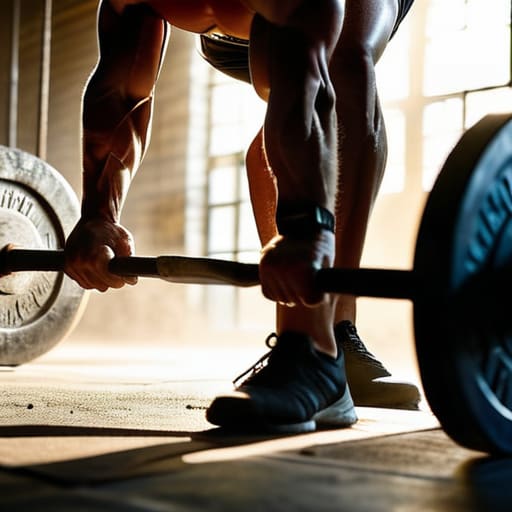
To actually move the needle on your bone health, you can’t just rely on high-rep, low-weight circuit training. If we want to talk about real results, we have to talk about mechanical loading and bone remodeling. Your bones are living tissue; they respond to the stress we place on them by getting denser and more resilient. In the wrestling world, this means we need to prioritize heavy, compound movements like deadlifts and squats. It isn’t about being fancy; it’s about applying enough force to signal to your body that it needs to reinforce its structural foundation.
I also see a lot of athletes overlooking the necessity of impact training for skeletal health. While heavy lifting is the backbone, the sudden, multi-directional forces you encounter on the mat are what truly challenge your frame. Integrating controlled plyometrics or even specific stance-work drills can help bridge that gap. If you’re only lifting in a linear fashion, you’re missing a piece of the puzzle. We aren’t just training for aesthetics; we are training to ensure your skeleton can handle the chaos of a live match without breaking.
Mechanical Loading and Bone Remodeling for Longevity
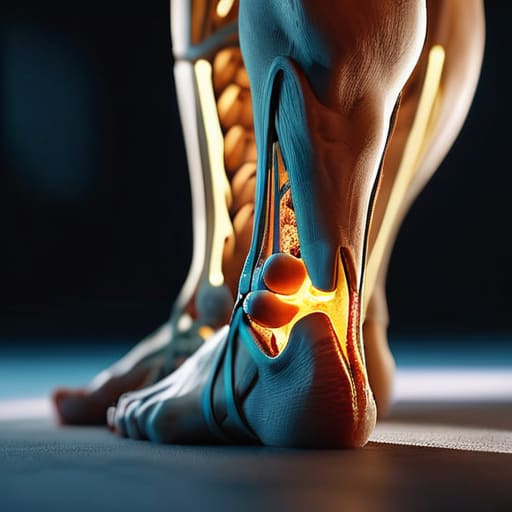
To understand why we lift heavy, you have to understand what’s happening under the surface. Your bones aren’t static sticks; they are living tissue that responds to the stress you place on them. Through the process of mechanical loading and bone remodeling, your skeletal system actually listens to the signals sent by your muscles and joints. When you’re grinding through a heavy squat or resisting a shot on the mat, you’re creating micro-strains that signal your body to deposit more minerals. This isn’t just about getting “tougher”—it’s about biologically upgrading your frame to handle the chaos of a match.
If you’re only focusing on cardio and skipping the heavy iron, you’re leaving your longevity on the table. We need to prioritize impact training for skeletal health to ensure those bones stay dense enough to absorb the force of a takedown or a hard sprawl. I see too many athletes try to cut weight too aggressively, forgetting that weight management and bone strength are deeply linked; if you starve your body, you starve your bones of the very materials they need to rebuild. Don’t just train to move; train to build a foundation that lasts.
Building a Frame That Won't Break: My Non-Negotiables for Bone Health
- Prioritize heavy, compound lifts. You can’t build dense bones with 2lb dumbbells; you need the axial loading from squats, deadlifts, and overhead presses to signal your body to reinforce its structure.
- Stop treating calories like an enemy. If you’re in a chronic deficit to make weight, you’re essentially starving your bones of the raw materials they need to repair themselves. Eat for the work you do.
- Nail your micronutrients, specifically Calcium and Vitamin D. Think of these as the bricks and mortar for your skeletal system—without them, even the best lifting program is just building on sand.
- Don’t skip the protein. While we focus on minerals for bone density, protein provides the collagen matrix that gives your bones their flexibility and prevents them from becoming brittle under the pressure of a match.
- Incorporate impact, but make it smart. Wrestling provides natural osteogenic loading through takedowns and sprawls, but balancing that with controlled, heavy resistance training ensures you’re building density without just accumulating wear and tear.
The Bottom Line: Building a Frame That Lasts
Stop treating lifting like an optional extra; heavy, compound movements are your primary defense against the impact of the mat.
You can’t out-train a deficit—ensure you’re hitting your protein and micronutrient targets so your body actually has the raw materials to remodel your bones.
Consistency beats intensity every single time; building bone density is a long game of steady, progressive loading, not a one-off heavy session.
Strength Beyond the Surface
“Don’t mistake a lean physique for a resilient one; if you aren’t intentionally loading your frame with heavy, purposeful weight, you’re leaving your skeletal integrity to chance—and on the mat, chance is a luxury we can’t afford.”
Tamsin Broadhurst
Building a Foundation That Lasts

At the end of the day, protecting your bone density isn’t about checking a box on a wellness list; it’s about the technical application of force. We’ve talked about why osteogenic loading and mechanical tension are your best friends when you’re navigating the grind of a wrestling season. If you aren’t prioritizing heavy, compound movements and ensuring your nutrition provides the raw materials for remodeling, you’re leaving your longevity to chance. You can’t just rely on the impact of the mat to build your frame—you have to intentionally engineer that density through smart, progressive strength training and consistent fuel.
I want you to stop viewing your training as just a way to survive the next tournament and start seeing it as a way to build a body that can endure a lifetime of movement. Whether you are currently competing on the mats or just starting to explore combat sports, remember that strength is a skill you cultivate every single day. Don’t just train to be fast or agile for a single match; train to be unbreakable. Build a foundation that doesn’t just support your sport, but supports who you are long after the final whistle blows.
Frequently Asked Questions
If I'm already doing heavy compound lifts, do I actually need to change my programming to specifically target bone density?
If you’re already hitting heavy squats and deadlifts, you’ve got a solid foundation, but don’t get complacent. To truly maximize bone remodeling, you need to ensure you aren’t just chasing hypertrophy or strength, but specifically managing your mechanical load and impact. I’d tweak your programming to include more multi-directional loading and perhaps some controlled, high-impact plyometrics. It’s about making sure the stress you’re putting on your frame is diverse enough to trigger that osteogenic response.
How much of a difference does my daily protein and calcium intake actually make when it comes to bone remodeling during a heavy training cycle?
It makes all the difference. Think of your training as the architect and your nutrition as the bricks. You can lift all the heavy weight you want, but if you aren’t providing enough protein and calcium, your body can’t actually rebuild the bone matrix you’re stressing. During a heavy cycle, if you’re under-fueling, you’re essentially asking your body to renovate a house without any supplies. Don’t let your hard work go to waste.
Can I maintain my bone density through strength training alone, or do I need high-impact drills like takedowns and sprawls to see real results?
Look, if you’re strictly lifting, you’re going to build a solid foundation, but you aren’t getting the full picture. Heavy squats and deadlifts are non-negotiable for osteogenic loading, but they don’t quite mimic the multi-directional, high-impact chaos of the mat. To truly harden your bones for the grind, you need those explosive sprawls and takedown entries. Think of lifting as your structural base and high-impact drills as the specific stress test your bones need.
