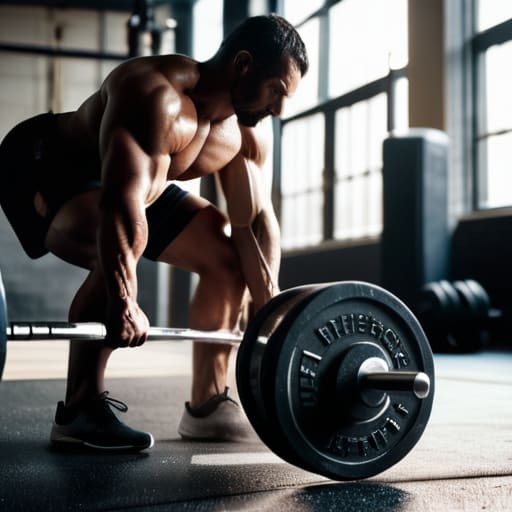
I still remember the smell of stale sweat and floor mats in that cramped wrestling room during my early twenties, gasping for air after a heavy sprawl session. I was working hard, but I was working wrong. I spent months chasing aesthetic trends and fancy, isolated movements, only to realize my body felt completely disconnected when it actually mattered on the mat. I was missing the most critical piece of the puzzle: real, functional posterior chain development. Most people think you need a dozen different machines or a PhD in kinesiology to fix this, but the truth is much simpler and a lot more gritty than the fitness influencers want you to believe.
I’m not here to sell you a complicated twelve-step program or a magic supplement. My goal is to cut through the noise and give you the straightforward, science-backed tools you actually need to build a foundation that won’t fail you. We’re going to focus on the movements that actually move the needle, turning your back, glutes, and hamstrings into a powerhouse of stability. This isn’t about looking a certain way in the mirror; it’s about building true capability through consistent, intentional work.
Table of Contents
- Mastering Hip Hinge Mechanics for True Functional Strength Training
- Connecting the Posterior Chain Muscle Groups to Your Movement
- 5 Ways to Stop Guessing and Start Building Real Posterior Power
- The Bottom Line: Training for Capability
- Strength is Built from the Ground Up
- Building a Body That Lasts
- Frequently Asked Questions
Mastering Hip Hinge Mechanics for True Functional Strength Training
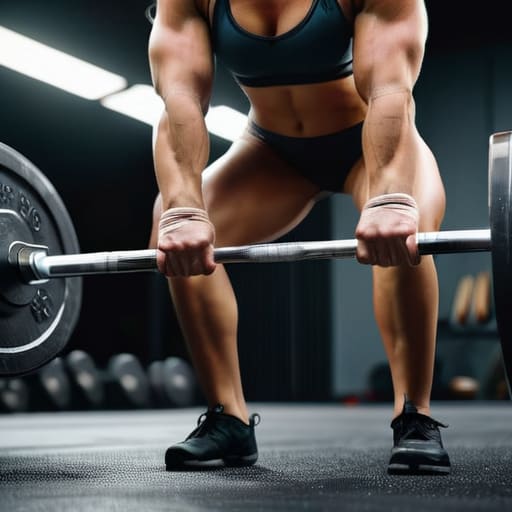
If you want to move heavy weight without feeling like your spine is about to snap, you have to master your hip hinge mechanics. Most people I see in the gym try to lift by rounding their backs or just squatting everything, which is a recipe for disaster. A true hinge isn’t a squat; it’s about driving your hips backward while keeping your spine neutral. When you get this right, you stop relying on your lumbar spine to do the heavy lifting and start actually engaging those posterior chain muscle groups like your glutes and hamstrings.
This isn’t just about vanity or chasing lower body hypertrophy; it’s about structural integrity. I see so many athletes struggling with stability because they haven’t mastered this fundamental movement pattern. Learning to hinge properly is one of the most effective ways of preventing lower back pain and ensuring your body can handle the rigors of both a heavy lifting session and a high-intensity wrestling match. If you can’t control your hips, you aren’t truly functional—you’re just waiting for an injury to sideline you.
Connecting the Posterior Chain Muscle Groups to Your Movement
It’s one thing to know which muscles are in your back and glutes, but it’s another thing entirely to make them talk to each other. In my experience on the wrestling mats, if your hips and hamstrings aren’t firing in sync, you’re going to get snapped down or lose your leverage the second things get heavy. You can’t just treat these as isolated parts; you have to train the posterior chain muscle groups as a single, cohesive unit. When you master that connection, you move from just “doing reps” to actually generating force.
This synergy is exactly what drives functional strength training. If you’re only focusing on the squeeze of a single muscle, you’re missing the big picture. A truly integrated chain allows you to transfer power from the ground, through your hips, and right into your upper body. This isn’t just about aesthetics or chasing lower body hypertrophy; it’s about creating a body that is resilient and hard to break. When these muscles work together, you aren’t just stronger—you’re more stable and much more capable in every movement you perform.
5 Ways to Stop Guessing and Start Building Real Posterior Power
- Prioritize the hinge over the squat. I see so many people trying to build a strong back by just doing endless squats, but if you want a bulletproof posterior chain, you have to master the hip hinge. Movements like Romanian deadlifts or kettlebell swings teach your glutes and hamstrings to actually do the work they were designed for.
- Stop chasing the heavy weight and start chasing the tension. It doesn’t matter if you’re moving a massive barbell if your lower back is doing all the lifting. Slow down the eccentric—the lowering phase—and feel that stretch in your hamstrings. If you can’t feel the muscle working, the weight is too heavy and your form is failing.
- Don’t ignore your upper posterior chain. A strong foundation isn’t just about your legs; it’s about your back, too. Incorporate heavy rows and face pulls to ensure your posture can support the power you’re building below. You can’t be truly capable if your mid-back is as weak as a noodle.
- Treat recovery like a training session. You don’t build muscle while you’re under the bar; you build it while you’re resting. If you’re hitting heavy posterior chain work three times a week but skimping on protein and sleep, you’re just spinning your wheels. Fuel your movement and give your nervous system a chance to catch up.
- Train for stability, not just raw force. In wrestling, power is useless if you can’t stabilize your core when someone tries to snap you down. Integrate unilateral work—like single-leg deadlifts—to force those stabilizer muscles to fire. It’s much harder than a standard bilateral lift, but that’s where the real strength is forged.
The Bottom Line: Training for Capability
Stop treating your posterior chain as an afterthought; it is the engine that drives every heavy lift and every explosive movement on the mat.
Master the hinge before you chase the weight—if your mechanics are broken, you aren’t building strength, you’re just begging for an injury.
Consistency over intensity; real capability is built through the discipline of showing up and hitting your movements correctly, not by chasing a one-off PR.
Strength is Built from the Ground Up
“If you aren’t training your posterior chain, you’re building a house on sand; you can have all the upper body strength in the world, but without a powerful foundation in your glutes, hamstrings, and back, you’ll never be truly capable when it actually matters.”
Tamsin Broadhurst
Building a Body That Lasts
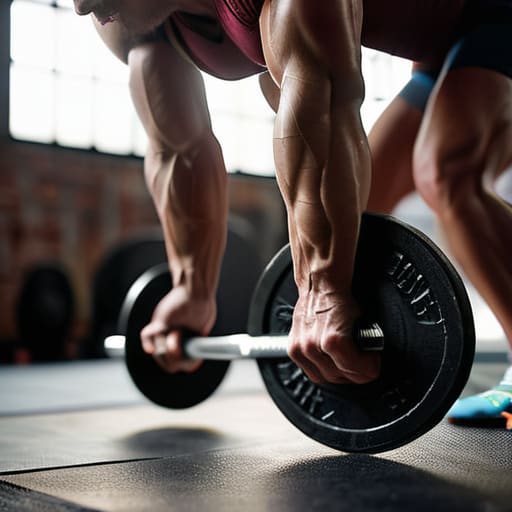
At the end of the day, developing your posterior chain isn’t about chasing a specific aesthetic or hitting a PR just to post it on Instagram. It’s about the technical mastery of the hip hinge, understanding how your glutes, hamstrings, and back work as a single, cohesive unit, and ensuring that your mechanics are bulletproof. When you stop treating these muscle groups as isolated parts and start seeing them as the engine of your movement, everything changes. Whether you are working through a heavy lifting session or trying to maintain stability on the wrestling mat, a strong foundation is what keeps you from breaking down when the pressure is on.
I want you to remember that strength is a skill, not a stroke of luck. You aren’t going to wake up one morning with a powerhouse posterior chain; you build it through the grit of showing up when you don’t feel like it and focusing on the quality of every single rep. Don’t get discouraged by the slow progress, because consistency is the only way forward. Train to be capable, train to be resilient, and train to move through the world with confidence. You have the tools and the science behind you—now go out there and do the work.
Frequently Asked Questions
How do I know if I'm actually using my glutes during a deadlift versus just straining my lower back?
If you feel a sharp, localized ache in your lumbar spine, you’re likely compensating with your lower back. Stop right there. To actually engage your glutes, think about “driving the floor away” rather than just pulling the bar up. At the top of the movement, focus on a hard glute squeeze to lock out your hips—don’t lean back excessively. If you can’t feel that tension in your seat, your mechanics are off.
If I'm already doing squats, do I really need to add specific hip hinge movements to my routine?
Look, squats are phenomenal, but they aren’t a magic bullet for everything. While a squat is a dominant knee-extension movement, it doesn’t hit your posterior chain with the same intensity as a hinge. If you rely solely on squats, you’re leaving serious glute and hamstring gains on the table. To be truly capable, you need that specific hinge pattern to build the raw pulling power required for heavy lifts and combat sports.
Can I still build a strong posterior chain if I have limited mobility in my hamstrings?
Absolutely. Tight hamstrings shouldn’t be a dealbreaker, but you do need to stop forcing movements your body isn’t ready for. If you can’t hit depth in a conventional deadlift without rounding your spine, switch to a Romanian deadlift with a limited range or use a block to elevate the weight. We work with the mechanics we have. Focus on controlled eccentrics and progressive loading; we’re building capability here, not ego-lifting through bad form.
