
I remember being stuck in a humid wrestling room during a tournament, feeling my energy crater halfway through the second period because I’d spent the week obsessing over “clean eating” and cutting back on everything that wasn’t a salad. I thought I was being disciplined, but in reality, I was just starving my performance. People love to make carbohydrate loading sound like some complex, expensive ritual involving specialized gels and precise gram-counting, but most of that is just noise. If you’re treating carbs like the enemy, you aren’t being “fit”—you’re just making yourself incapable of doing the work.
I’m not here to sell you a magic supplement or a complicated meal plan that requires a chemistry degree to follow. Instead, I want to give you the straight truth about how to use fuel to support your movement. We’re going to strip away the hype and focus on how to implement carbohydrate loading in a way that actually builds capacity for your heaviest lifts and hardest training sessions. No fluff, no nonsense—just the science-backed fuel you need to show up and perform.
Table of Contents
Optimizing Macronutrient Ratios for Athletes

When we talk about macronutrient ratios for athletes, I want you to stop looking for a magic percentage that applies to everyone. If you’re coming from a wrestling background or a high-intensity lifting program, your needs are going to look vastly different from a marathon runner’s. The goal isn’t perfection on a spreadsheet; it’s about finding the balance that supports your specific output. For those of us training for explosive power, I focus on ensuring protein is high enough to protect lean mass, but I never skimp on the carbs. You need that glucose available to prevent your intensity from cratering mid-session.
A common mistake I see in the gym is people trying to “balance” their plate by cutting carbs too low, which is a one-way ticket to hitting a wall. To keep your performance steady, you have to prioritize muscle glycogen replenishment as a non-negotiable part of your recovery. If you aren’t fueling correctly, you aren’t just losing energy—you’re staving off fatigue becomes nearly impossible. Think of your macros as a toolkit: protein repairs the damage, but carbs are the actual electricity that keeps the lights on during a heavy training block.
Strategic Pre Race Meal Planning for Success
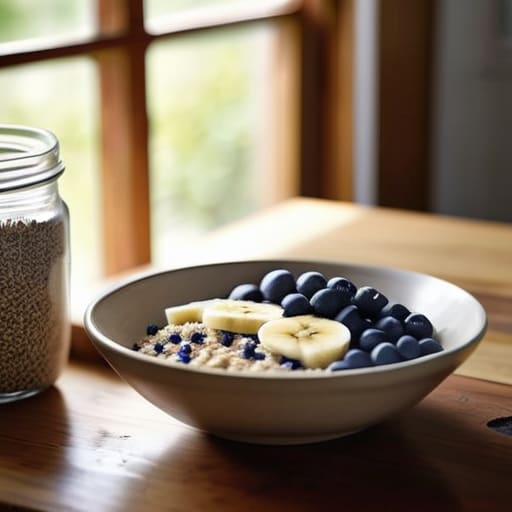
When you’re staring down a competition or a heavy training block, the last thing you want is your engine stalling halfway through. Effective pre-race meal planning isn’t about eating a massive pile of pasta right before you step onto the mat; it’s about timing. I tell my athletes to focus on a meal that is easily digestible and rich in complex carbs about two to three hours before the whistle blows. You want to prioritize foods with a lower glycemic index to ensure a steady release of energy rather than a quick spike and a subsequent crash.
The goal here is simple: you are topping off your tanks to ensure muscle glycogen replenishment is already underway before you even start moving. If you’re someone who struggles with stomach issues under pressure, keep it simple—think white rice, a banana, or even a plain bagel. Avoid heavy fats or excessive fiber that might sit heavy in your gut while you’re trying to work. By being intentional about what you put in your body, you aren’t just eating; you’re staving off fatigue before it even has a chance to settle in.
My No-Nonsense Guide to Getting the Fuel Right
- Don’t wait until the night before a big match or meet to start loading. You need to build those glycogen stores up over a 48 to 72-hour window so you actually have the capacity to perform when it counts.
- Focus on complex, easy-to-digest carbs like sweet potatoes, rice, or oats. I’ve seen too many people try to load up on sugary snacks and end up with a massive stomach ache right when they should be feeling powerful.
- Keep your fiber intake in check as you increase your carbs. While I love a good whole grain, too much fiber right before a heavy training block or a competition can lead to some very uncomfortable GI issues on the mat.
- Hydration and carbs go hand in hand. Remember that your body needs water to store glycogen in your muscles, so keep that electrolyte shaker bottle handy and don’t let your fluid intake lag behind your food intake.
- Trust your gut and test your strategy during training. Never try a brand-new fueling method on game day; use your heavy lifting sessions or hard wrestling drills to see exactly how your body reacts to different carb sources.
The Bottom Line for Your Next Session
Stop treating carbs like a math problem; view them as the essential fuel that allows you to maintain intensity and technical precision when you’re deep in a match or a heavy lifting session.
Timing is everything, so focus on hitting those carbohydrate windows before you train to ensure your glycogen stores are topped off and ready to work.
Consistency beats perfection every single time—don’t stress about the perfect gram-for-gram ratio, just focus on fueling your body enough to stay capable and strong.
Fueling the Capability
Stop treating carbs like something to be feared or managed; treat them like the high-octane fuel your body needs to actually show up and do the work when the intensity spikes.
Tamsin Broadhurst
Fueling the Finish Line

At the end of the day, carbohydrate loading isn’t about obsessing over every single gram on a spreadsheet; it’s about creating a strategic foundation for your performance. We’ve looked at how to balance your macros, how to time your intake around your training, and how to pick the right foods that actually settle well in your gut before a big session. Remember, the goal is to maximize your glycogen stores so you aren’t hitting that dreaded wall halfway through a match or a heavy lifting session. When you get the fueling right, you take the guesswork out of your energy levels and let your hard work in the gym take center stage.
I know it can feel overwhelming to manage your nutrition on top of a grueling training schedule, but I promise you that consistency beats perfection every single time. Stop viewing food as something to be restricted and start seeing it as the essential fuel that allows you to be capable, resilient, and strong. Whether you’re stepping onto a wrestling mat or hitting a new PR on your deadlift, you deserve to show up with a full tank. Trust the process, trust your training, and most importantly, trust your body to do what it was built to do.
Frequently Asked Questions
Will carb loading make me feel heavy or sluggish during my actual training sessions?
If you’re feeling heavy or sluggish, you’re likely overdoing it or picking the wrong sources. I’ve seen athletes make the mistake of loading up on high-fiber or greasy foods that sit like a brick in your stomach. Focus on easily digestible, simple carbs—think white rice or sourdough—rather than heavy whole grains right before you move. Treat it as fuel for your capacity, not a way to stuff yourself. Keep it clean, and you’ll feel powered, not weighed down.
Do I really need to change my entire diet days in advance, or can I just eat a bigger meal the night before?
Look, I get the temptation to just go big on a pasta dinner the night before, but that’s not how glycogen storage actually works. You can’t undo days of low energy with one massive meal. Think of it like training: you don’t build strength in a single session, you build it through consistency. Start ramping up those quality carbs 48 hours out. It ensures your muscles are actually saturated and ready to move when you hit the mat.
How do I balance these extra carbs without feeling like I'm just gaining unnecessary body fat?
Look, I get the anxiety. You don’t want to feel heavy or sluggish. But here’s the reality: if you’re training for performance, those carbs aren’t just “extra”—they’re being shuttled straight into your muscle glycogen to fuel your next session. As long as your training intensity matches your intake, your body will use that fuel for movement, not storage. Focus on the work, keep your protein steady, and trust that you’re fueling capability, not just adding weight.
