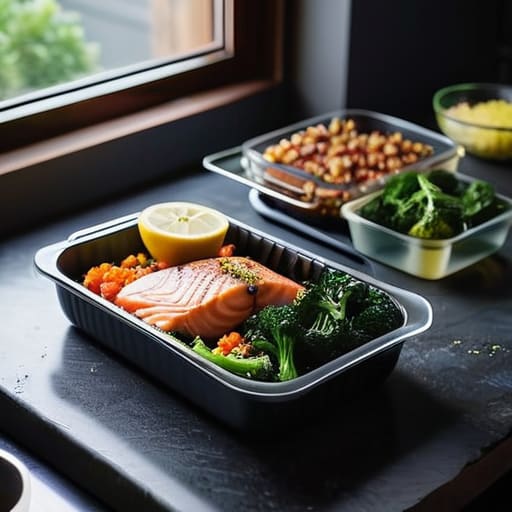
I remember sitting on a sweat-soaked mat in a basement gym years ago, my head spinning and my stomach cramping, because I’d followed some “expert” advice to skip breakfast and eat my only meal at 8:00 PM. I thought I was being disciplined, but I was actually just sabotaging my ability to wrestle. Most people treat meal timing for weight cuts like some mystical, high-priced secret that requires eating every two hours on the dot or you’ll lose your progress. It’s absolute nonsense. You don’t need a complex spreadsheet or a dozen expensive supplements to manage your window; you just need to stop treating your food like an enemy and start treating it like the fuel it actually is.
I’m not here to sell you on a complicated ritual or a way to starve yourself into a lower number on the scale. Instead, I’m going to give you the straight truth based on my years in the trenches of strength training and combat sports. We’re going to focus on how to structure your intake so you can maintain your strength and keep your energy high, even when the scale is moving in the direction you want. This isn’t about perfection; it’s about functional consistency.
Table of Contents
- Pre Workout Nutrition for Weight Cutting Fueling Capability
- Post Workout Protein Timing Building Muscle While Losing Fat
- 5 Ways to Time Your Fuel Without Losing Your Mind
- The Bottom Line: Making Nutrition Work for Your Training
- Stop Chasing the Scale, Start Chasing Performance
- Bringing It All Together
- Frequently Asked Questions
Pre Workout Nutrition for Weight Cutting Fueling Capability
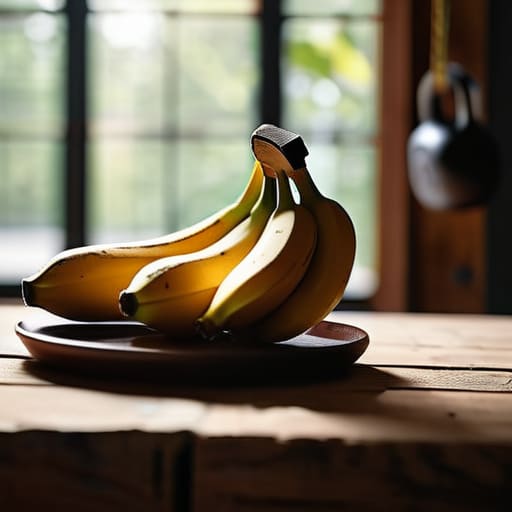
When you’re in the middle of a weight cut, your energy reserves are already playing catch-up. If you walk into the gym on an empty tank, you aren’t just training poorly—you’re risking injury and burnout. I tell my athletes that pre-workout nutrition for weight cutting isn’t about eating a massive meal; it’s about strategic fuel. You want something easily digestible, like a piece of fruit or a small serving of complex carbs, about sixty to ninety minutes before you hit the mats or the squat rack. The goal is to stabilize your blood sugar so you can actually perform the movement rather than just surviving the session.
Don’t fall into the trap of thinking that starving yourself will speed up the process. If your pre-training fuel is non-existent, your body will likely spike its stress response, making managing cortisol during calorie deficits an absolute nightmare. High cortisol levels lead to water retention and muscle breakdown, which is the exact opposite of what we want. Aim for a small hit of carbohydrates to spark that immediate energy, and keep the fats low so your digestion doesn’t lag while you’re trying to work.
Post Workout Protein Timing Building Muscle While Losing Fat

Once the session is over and you’ve finished your cool-down, the clock starts ticking on your recovery. I see too many athletes make the mistake of waiting hours to eat because they’re trying to squeeze in a fasting window. While some people swear by intermittent fasting for fat loss, if you’ve just put your body through a grueling wrestling drill or a heavy lifting session, you need to prioritize repair. This isn’t about being obsessed with a window; it’s about signaling to your body that the work is done and it’s time to rebuild.
Focus on getting high-quality protein into your system relatively soon after training to jumpstart muscle protein synthesis. When you’re in a calorie deficit, your body is already under stress, so managing cortisol during calorie deficits becomes a massive part of the equation. If you skip post-training fuel, you’re just digging a deeper hole of fatigue. Aim for a solid dose of protein to protect the lean mass you’ve worked so hard to build. We aren’t just trying to get smaller; we are trying to get stronger and more resilient.
5 Ways to Time Your Fuel Without Losing Your Mind
- Stop the “grazing” habit. If you’re constantly snacking all day, you’re never giving your body a chance to tap into stored fat. Aim for distinct feeding windows around your hardest training bouts so your insulin stays stable when you’re not moving.
- Prioritize your carbs around your lifting sessions. I don’t want you cutting carbs entirely—that’s a recipe for a flat, weak training session. Eat your complex carbs 90 minutes before you hit the mats or the squat rack so you actually have the glycogen to perform.
- Don’t fear the post-training window, but don’t obsess over it either. You don’t need to chug a shake the second your last set is done, but try to get some protein and a little bit of easy-to-digest fuel in within an hour or two to kickstart recovery.
- Watch your evening intake relative to your sleep. If you’re eating a massive, heavy meal right before bed, you might wreck your sleep quality, which kills your recovery. Try to finish your last big meal a few hours before hitting the pillow so your body can focus on repairing tissue, not just digesting.
- Use your hardest training days as your high-calorie days. On your rest days or light mobility days, tighten up the nutrition. On the days you’re grinding through heavy strength work or wrestling drills, give yourself permission to eat more. It’s about matching your fuel to your output.
The Bottom Line: Making Nutrition Work for Your Training
Stop treating meal timing like a math problem; focus on fueling your performance so you don’t crash mid-session.
Prioritize protein and carbs around your hardest training blocks to protect your muscle mass while you’re cutting weight.
Consistency beats perfection every time—if you miss a window, don’t spiral, just get back to your fueling plan at the next opportunity.
Stop Chasing the Scale, Start Chasing Performance
A weight cut shouldn’t feel like a starvation ritual; it’s about timing your fuel so you can still hit your numbers in the gym without crashing before the weigh-in.
Tamsin Broadhurst
Bringing It All Together
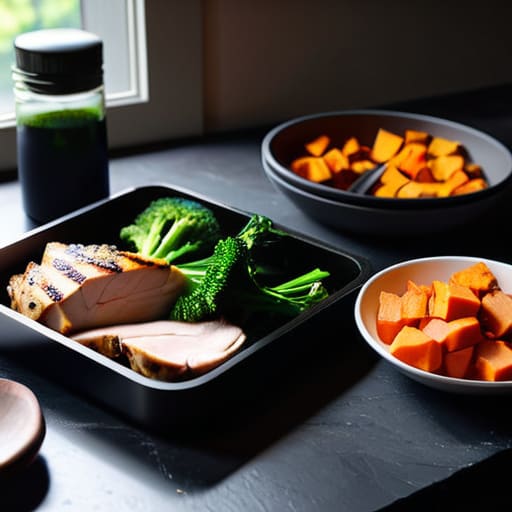
At the end of the day, managing a weight cut isn’t about starving yourself into a smaller number on the scale; it’s about the strategic application of fuel. We’ve covered how to prime your body before you hit the mats or the squat rack, and why hitting that protein window post-training is non-negotiable for keeping your hard-earned muscle intact. When you stop viewing food as the enemy and start seeing it as a tactical tool, the whole process shifts. It’s about timing your carbs to power your sessions and your protein to repair your tissues. If you can master this rhythm, you aren’t just cutting weight—you are optimizing your performance throughout the entire process.
I know how heavy the mental load of a weight cut can feel, especially when you’re trying to balance training intensity with a calorie deficit. But remember why you started this. We don’t train just to fit into a specific clothing size; we train to be capable, resilient, and strong in every arena of our lives. Don’t let the obsession with the scale rob you of your power. Focus on the consistency of your nutrition, trust the science behind your timing, and keep showing up for yourself. Strength is a skill, and you are building it one well-timed meal at a time.
Frequently Asked Questions
Should I be eating right before a heavy lifting session if my main goal is to drop weight for a weigh-in?
Look, if you’re heading into a heavy session, don’t starve yourself just because the scale needs to move. If you go in empty, your intensity will tank, and you’ll end up losing muscle instead of fat. Aim for something light and easily digestible—think simple carbs—about 30 to 60 minutes before you lift. It’s about fueling the movement so you can actually hit your numbers, rather than just surviving the workout.
How much of a window do I actually have after training to eat before I'm "missing the boat" on muscle recovery?
Look, the “anabolic window” isn’t this tiny, frantic 30-minute sprint that everyone makes it out to be. If you’re eating a solid meal a few hours before training, you’ve already got amino acids circulating in your system. Don’t panic if you can’t scarf down a protein shake the second you drop the weights. Aim to get your recovery fuel in within two hours post-session. Just prioritize consistency over perfection; your muscles need fuel, not a race.
If I'm cutting calories strictly, is it better to eat one big meal or spread my fuel out across the entire day?
Look, if you’re strictly cutting calories, there’s no magic number of meals that unlocks fat loss. It’s all about your energy levels and hunger cues. If eating one big meal keeps you satiated and prevents you from crashing mid-training, go for it. But if you find yourself hitting a wall during your sessions, spreading that fuel out will help you maintain intensity. Don’t overcomplicate it—choose the rhythm that keeps you performing.
