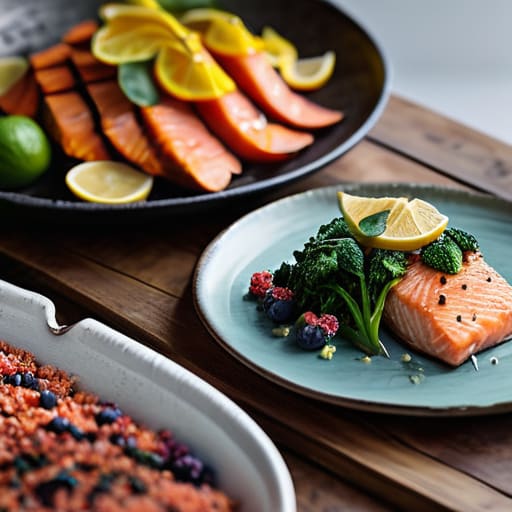
I still remember sitting on the edge of a sweat-soaked mat in a humid high school gym, staring at a half-eaten, lukewarm granola bar and wondering why I felt like I was running on empty. My head was spinning, my grip was failing, and I realized then that all the “grind” in the world won’t matter if you’re treating your body like an afterthought. Most people think wrestling training food has to be some complex, expensive ritual involving specialized supplements and perfectly timed macros, but that’s just noise. When you’re in the middle of a heavy cutting session or a grueling live drilling block, you don’t need a science experiment; you need real, accessible fuel that actually sticks.
I’m not here to sell you on a fad diet or a list of “superfoods” that cost more than your monthly gym membership. My goal is to give you a straight-up, no-nonsense guide to eating for capability and recovery. We are going to cut through the hype and focus on what actually works to keep your strength levels steady and your energy high. I’ll show you how to simplify your meals so you can stop obsessing over every calorie and start focusing on the work.
Table of Contents
Pre Workout Meals for Wrestlers Building Sustained Capability
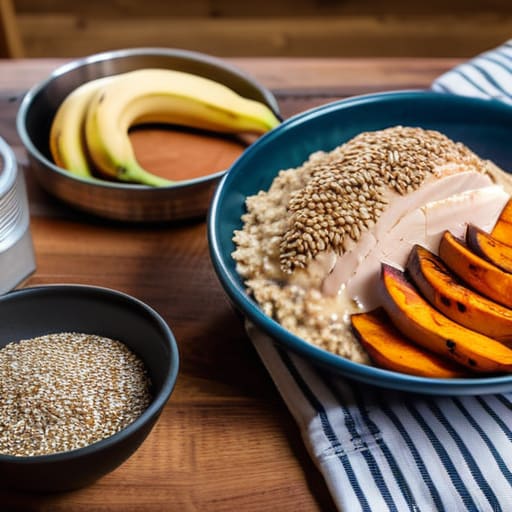
If you’re stepping onto the mats on an empty stomach, you’ve already lost the first round. Wrestling is high-intensity, explosive, and demands constant decision-making; you can’t do any of that if your brain is foggy from low blood sugar. When I’m planning my own pre-workout meals for wrestlers, I look for a balance that provides steady energy without making me feel heavy or sluggish during a scramble. You want to focus on complex carbohydrates for endurance—think oats, sweet potatoes, or even a banana—paired with a small amount of lean protein.
The timing is just as crucial as the food itself. I tell my athletes to aim for a substantial meal about two to three hours before practice, followed by a lighter, carb-focused snack if they feel a dip in energy closer to the session. Avoid anything overly greasy or high in fiber right before you go, or you’ll be dealing with stomach cramps while trying to finish a takedown. The goal is to create a stable foundation of energy that carries you through those grueling third periods without hitting a wall.
Complex Carbohydrates for Endurance and Consistent Power
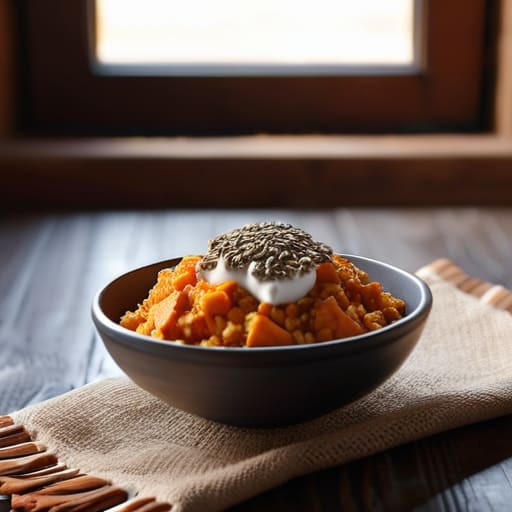
If you’ve ever hit a wall halfway through a grueling live drilling session, you know exactly what it feels like when your tank runs dry. That crash isn’t a lack of willpower; it’s a lack of sustained fuel. This is where complex carbohydrates for endurance become your best friend. Unlike the quick sugar spike you get from a candy bar—which will leave you shaky and exhausted ten minutes later—slow-burning carbs like sweet potatoes, oats, or brown rice provide a steady stream of energy. They keep your glycogen levels stable so you can maintain your power output from the first whistle to the final period.
I see too many athletes obsessing over minor calorie deficits when they should be focusing on their macronutrient ratios for combat sports. You need enough fuel to support the high-intensity bursts required on the mats without feeling heavy or sluggish. Think of these carbs as the foundation of your performance. When you prioritize quality over convenience, you aren’t just eating; you are building the capacity to stay explosive when the match gets heavy.
5 Ways to Stop Guessing and Start Fueling
- Prioritize protein at every single meal; it’s not just for muscle growth, it’s what keeps you from feeling like a zombie during those heavy drilling sessions.
- Don’t fear the salt; when you’re sweating through a two-hour practice, plain water isn’t enough—you need electrolytes to keep your muscles firing and prevent cramping.
- Stop skipping breakfast because you’re “not hungry”; if you have a morning session, your body needs a baseline of energy or you’ll redline before you even hit the mats.
- Keep your post-training snacks simple and accessible; a quick hit of protein and fast carbs right after practice helps kickstart the recovery process before your brain even realizes you’re tired.
- Listen to your gut, not a generic diet plan; if a certain “healthy” food makes you feel heavy or sluggish during a live go, ditch it and find what actually works for your movement.
The Bottom Line: Fueling for the Mat
Stop treating food like a math problem and start treating it like fuel; focus on steady energy sources that keep you from gassing out mid-match.
Prioritize complex carbs and consistent timing to ensure your strength is a reliable skill you can tap into during the hardest rounds.
Eat for capability, not aesthetics—your nutrition should support your ability to move, wrestle, and recover, not just fit a specific look.
## Fuel Over Aesthetics
“Stop treating your nutrition like a math problem you’re trying to solve and start treating it like the fuel for your engine; if you want to stay heavy on the mats and explosive in the clinch, you have to eat for capability, not just for a calorie count.”
Tamsin Broadhurst
Fueling the Long Game
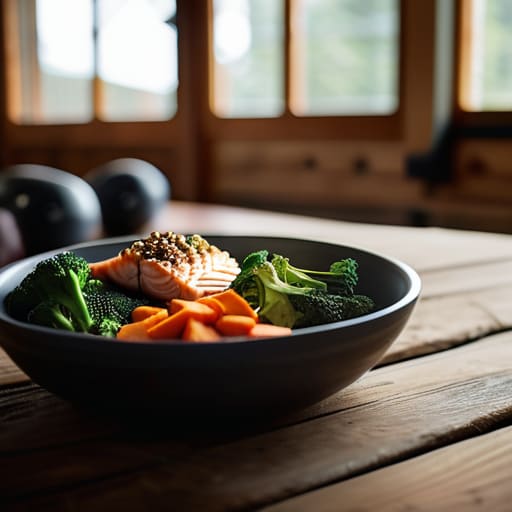
At the end of the day, wrestling nutrition isn’t about following a rigid, restrictive diet or obsessing over every single macro. It’s about understanding how to fuel the work you’re putting in. We’ve talked about why you need those complex carbs to keep your engine running and why your pre-workout meal is the foundation for your entire session. Whether you’re hitting the mats for a heavy drilling session or grinding through a strength block in the gym, your body needs consistent, high-quality fuel to recover and adapt. Stop treating your nutrition like a math problem and start treating it like the essential tool it is for your performance.
I know it’s easy to get caught up in the grind and forget that what you put on your plate matters just as much as the reps you put in on the mat. But remember, strength is a skill, and that includes the skill of nourishing yourself. You don’t train to be perfect; you train to be capable, resilient, and ready for whatever comes your way. Don’t let a bad meal spiral into a bad week. Just get back to basics, stay consistent, and trust the process. You’ve got the work ethic—now make sure you have the fuel to back it up.
Frequently Asked Questions
How do I manage my nutrition when I have a heavy training session right after a long day at work?
This is where most people trip up. You can’t show up to the mats running on fumes from a stressful workday. My rule: don’t wait until you’re walking through the gym doors to realize you’re starving. Aim for a small, carb-heavy snack—think a banana or a handful of pretzels—about thirty minutes before you leave work. It bridges the gap so you aren’t crashing mid-drill, and it keeps your focus sharp for the grind.
Should I be cutting carbs to make weight, or will that tank my performance on the mats?
Cutting carbs to make weight is a dangerous game. If you strip away your primary fuel source, you aren’t just losing weight; you’re losing your explosiveness and your ability to recover between rounds. You’ll end up flat, sluggish, and prone to injury on the mats. Focus on managing your total caloric intake and timing your carbs strategically instead. Don’t sacrifice your capability just to hit a number on a scale.
What are some quick, high-protein snack ideas that won't make me feel heavy during live wrestling drills?
You don’t want a brick sitting in your stomach when you’re trying to sprawl or shoot. Keep it light and easy to digest. I usually reach for Greek yogurt with a few berries or a handful of almonds if I’m on the move. If you need something more substantial, a rice cake with a thin layer of almond butter works wonders. The goal is quick protein without the heavy bloat that kills your agility.
