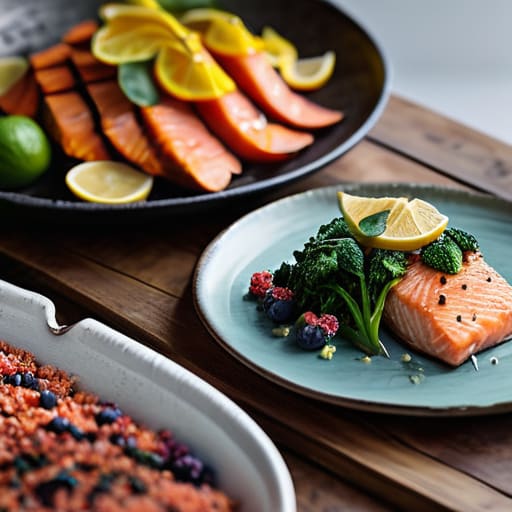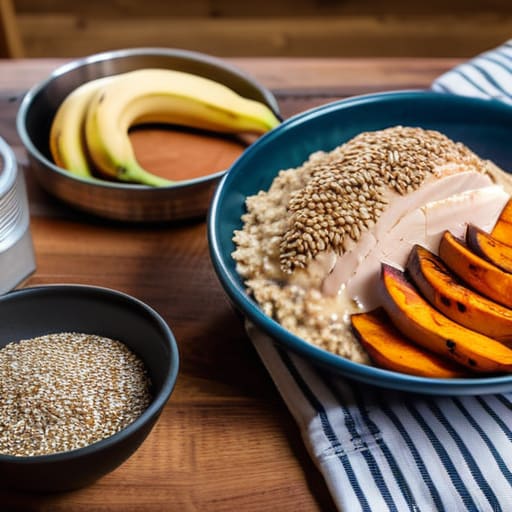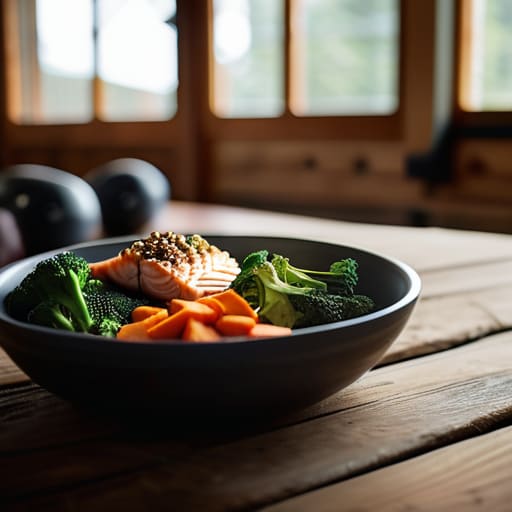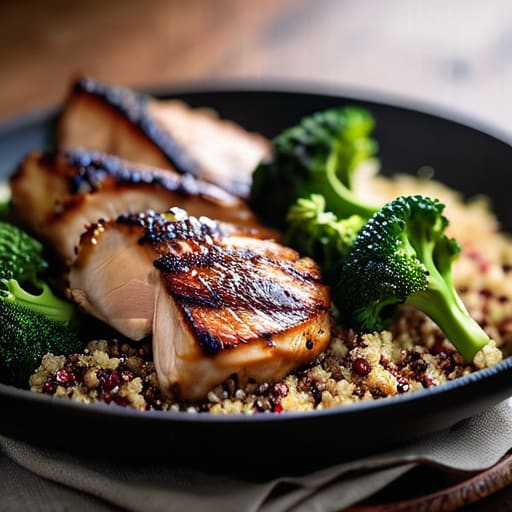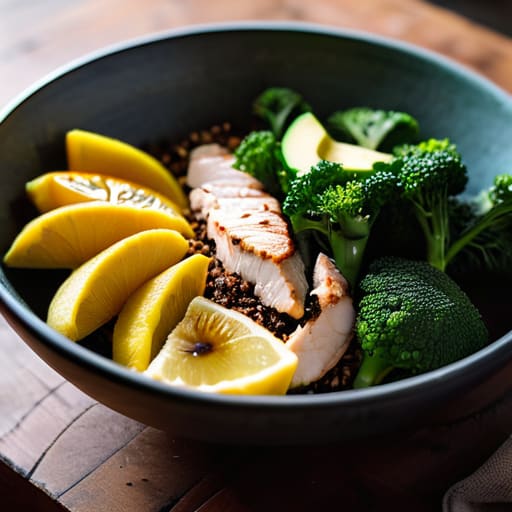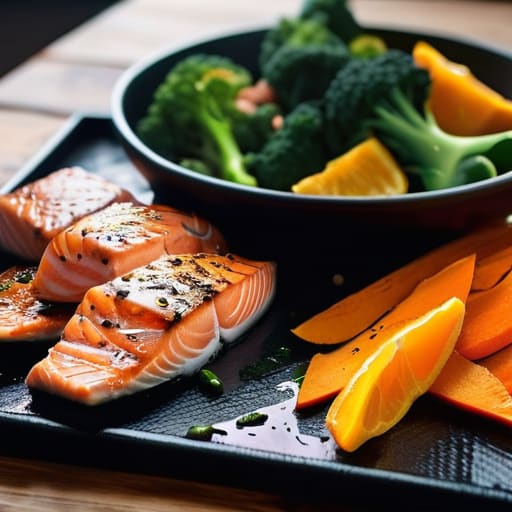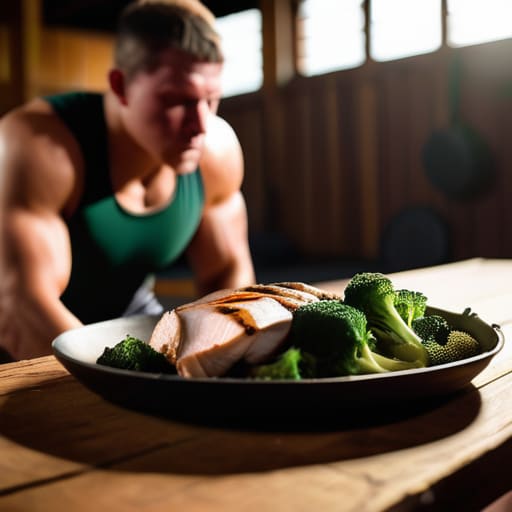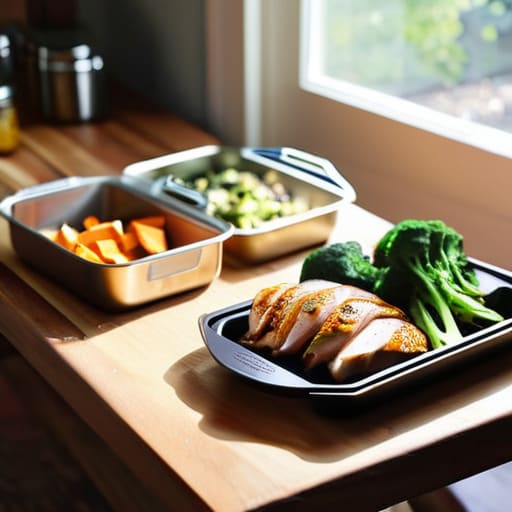
I still remember sitting on a cold gym floor in my early twenties, staring at a pile of bland, unseasoned chicken and steamed broccoli while my head throbbed from a brutal practice. The “experts” at the time told me that effective wrestling diet planning meant starving myself of flavor and joy just to make weight, treating my body like a math equation rather than a living, breathing machine. It was a total lie. They made it seem like you had to choose between being a competitive athlete and actually feeling human, and frankly, I’m tired of seeing people fall for that nonsense.
I’m not here to sell you on expensive supplements or some impossible, restrictive meal plan that leaves you too exhausted to even finish a drill. My goal is to strip away the fluff and give you a blueprint for wrestling diet planning that actually works for your lifestyle. I’m going to show you how to use food as functional fuel to build strength and sustain your energy on the mats, without losing your mind in the process. We’re focusing on consistency and capability, not just a number on a scale.
Table of Contents
Maintaining Muscle Mass During Weight Cuts
The biggest mistake I see athletes make during a weight cut is treating their body like a math problem rather than a living machine. When you slash calories too aggressively, you aren’t just losing fat; you’re actively cannibalizing the very muscle you spent all off-season building. If you want to stay explosive on the mats, maintaining muscle mass during weight cuts has to be your non-negotiable priority. This means you can’t just live on black coffee and hope for the best.
You need to prioritize high-quality protein at every single meal to signal to your body that it shouldn’t break down its own tissue. I always tell my clients that protein is the structural integrity of your performance. Pair that with a strategic approach to your post-training recovery meals to ensure your muscles actually repair themselves instead of just staying in a state of constant breakdown. It’s not about eating less; it’s about eating with a specific, functional intent so you don’t show up to your matches feeling like a shell of yourself.
Hydration Strategies for Wrestlers Who Demand More

If you think you can just chug a liter of water right before you step onto the mat and call it a day, you’re setting yourself up for a crash. Dehydration doesn’t just make you thirsty; it kills your reaction time and drains your power. When your electrolytes are off, your energy levels during wrestling matches will tank, leaving you feeling heavy and sluggish when you need to be explosive. I see this all the time in the gym—athletes who focus so much on the scale that they forget their brain and muscles need fluid to actually function.
Don’t wait until you’re parched to start thinking about your intake. I treat hydration like any other part of my training: it’s a proactive process, not a reactive one. This means sipping consistently throughout the day and incorporating electrolytes to ensure you’re actually absorbing that fluid. If you’re serious about weight management for wrestlers, you need to understand that losing water weight isn’t the same as being lean and capable. Real strength requires a body that is fully hydrated and ready to fight.
Stop Guessing, Start Fueling: 5 Non-Negotiables for Your Nutrition Plan
- Prioritize protein at every single meal. If you aren’t hitting your protein targets, you aren’t just losing weight; you’re stripping away the muscle you worked so hard to build in the weight room. Think of protein as the structural repair kit for your body after a grueling practice.
- Master your carbohydrate timing. Carbs aren’t the enemy; they are your primary fuel source for high-intensity scrambles and explosive shots. Eat your complex carbs a few hours before training to ensure you have the energy to actually finish your sets, rather than crashing halfway through a drill.
- Stop the “starvation” mindset. Extreme calorie deficits are a recipe for injury and burnout. Your diet plan should be a roadmap for steady energy, not a way to punish yourself for a bad practice. If you’re constantly lightheaded, your plan is broken.
- Focus on micronutrient density, not just macros. You can hit your calorie numbers and still be running on empty if you’re ignoring your vitamins and minerals. Load up on leafy greens and colorful veggies to support the recovery processes that keep you off the injury list.
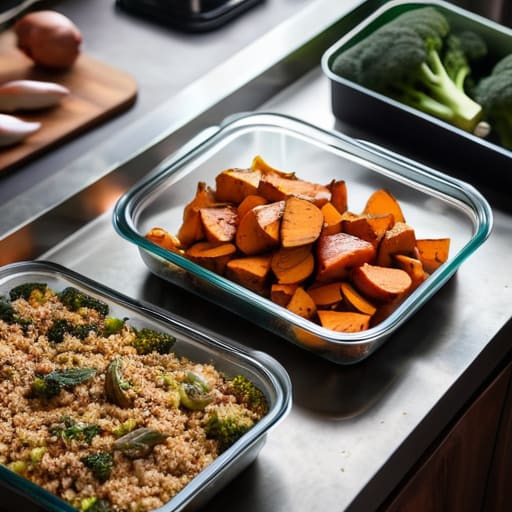
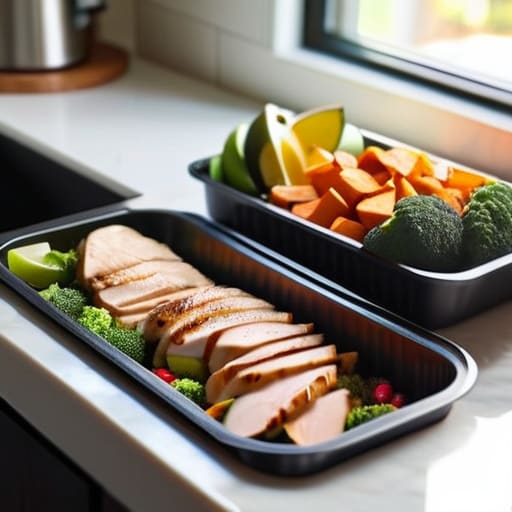
- Prep for the chaos. Wrestling schedules are unpredictable and exhausting. If you don’t have a plan for when you’re stuck at the gym until 8 PM, you’re going to end up grabbing whatever processed junk is nearby. Pack your fuel in advance so you aren’t making decisions with a hungry, tired brain.
The Bottom Line for Your Training
Stop treating your meals like a guessing game; prioritize consistent, high-quality fuel that supports the specific intensity of your wrestling sessions and lifting splits.
Focus on preserving lean muscle through strategic protein intake and smart weight management, rather than just chasing a number on the scale at all costs.
View nutrition as a skill you practice every day—it’s about building the capability to perform on the mats, not just following a temporary diet.
## Stop Guessing, Start Fueling
If you’re treating your nutrition like a math problem to solve instead of the fuel that powers your next takedown, you’ve already lost the match. Stop eating to hit a number on a scale and start eating to build the kind of strength that doesn’t quit when the third period hits.
Tamsin Broadhurst
The Long Game
At the end of the day, wrestling diet planning isn’t about deprivation or following some fleeting trend you saw on social media. It’s about the technical execution of how you fuel your body to handle the grind. We’ve talked about protecting your muscle mass during those inevitable weight cuts and why staying on top of your hydration is non-negotiable if you want to avoid hitting a wall mid-match. If you treat your nutrition like a calculated tool rather than an afterthought, you stop fighting your own body and start working with it. Stop guessing, stop starving, and start eating with intention to support the work you’re putting in on the mats.
I know how easy it is to get caught up in the numbers and the scale, but remember why we’re doing this in the first place. We aren’t training to be smaller; we are training to be more capable. Whether you’re stepping onto the mats for your first tournament or you’re a seasoned veteran, your strength is a skill that requires the right foundation to grow. Don’t let a poor nutritional strategy undermine the hours of sweat and discipline you pour into your training. Build your engine, fuel your movement, and show up ready to compete every single time you step into that circle.
Frequently Asked Questions
How do I balance my protein intake when I'm cutting weight without feeling like I'm constantly starving?
Stop viewing protein as just a number on a macro tracker and start seeing it as your primary tool for satiety. When you’re cutting, lean into high-volume, high-protein sources like egg whites, Greek yogurt, or white fish. These fill your stomach physically without blowing your calorie budget. I also swear by pairing your protein with fibrous greens; the volume helps signal to your brain that you’re actually full, keeping those hunger pangs at bay while we protect your muscle.
What are some actual, realistic meal prep ideas that won't leave me feeling sluggish before a heavy practice?
Stop overcomplicating it with heavy, greasy meals that sit like a brick in your stomach. If you’ve got a heavy practice coming up, think easy-to-digest carbs and lean protein. I swear by overnight oats with chia seeds for a slow burn, or a turkey and avocado wrap if you’re on the move. Avoid the massive pasta bowls right before hitting the mats; you want sustained energy, not a sugar crash halfway through a drill.
Is it worth tracking every single macro, or should I just focus on the quality of my fuel to avoid burnout?
Look, I get the urge to track every gram, but if it’s turning your kitchen into a source of anxiety, stop. For most of you, obsessing over micro-data is a fast track to mental burnout. Focus on the quality of your fuel first—prioritize whole foods and hit your protein targets. Once you’ve mastered the fundamentals of eating for performance, you can use tracking as a tool for fine-tuning, not as a leash.