
I still remember the heavy, suffocating feeling of hitting the third period during a tournament, my legs feeling like lead and my brain turning into fog. Back then, I was following every “lean and mean” diet trend in the book, terrified that a single extra spoonful of rice would ruin my weight class. I was wrong. I was trying to fight through grueling matches on an empty tank, and honestly, it was exhausting and ineffective. People love to complicate things with restrictive macros and expensive supplements, but when it comes to high carb wrestling, the truth is much simpler: you cannot build explosive power on an empty engine.
I’m not here to give you a complicated math equation or a list of “superfoods” that cost a week’s paycheck. Instead, I’m going to show you how to use carbohydrates as the essential fuel your body needs to stay powerful on the mat. We’re going to strip away the noise and focus on practical, science-based ways to time your intake so you can train harder and recover faster. My goal is to help you stop viewing food as an enemy and start treating it as the foundation of your strength.
Table of Contents
Mastering Your Wrestling Carbohydrate Loading Strategy
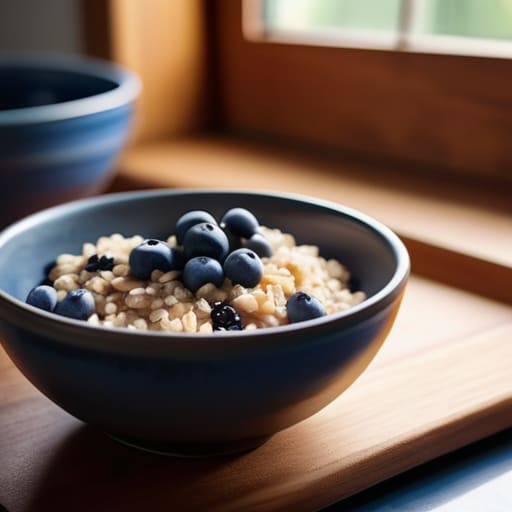
You can’t just eat a massive bowl of pasta the night before a tournament and expect magic to happen. A real wrestling carbohydrate loading strategy is about timing and quality, not just volume. I tell my athletes to focus on complex carbohydrates for combat sports—think sweet potatoes, oats, or brown rice—in the 24 to 48 hours leading up to a big meet. This builds a steady foundation of energy rather than a quick spike that leaves you crashing mid-second period.
Once you’re actually on the mat, the goal shifts to maintaining that engine. You need to be eating things that are easy on the gut but quick to process. If you’ve just finished a grueling session or a heavy bout, don’t wait hours to eat. Prioritize post-match glycogen recovery by getting some fast-acting carbs and protein into your system immediately. This isn’t about “cheating” on a diet; it’s about replenishing the tank so you aren’t walking into tomorrow’s matches feeling like a hollowed-out shell.
Complex Carbohydrates for Combat Sports and Sustained Power

If you’re only reaching for sugary gels and white bread, you’re missing the point of long-term performance. While simple sugars have their place for a quick hit, you need to lean heavily into complex carbohydrates for combat sports to maintain your engine. Think about it: a wrestling match isn’t just one explosive burst; it’s a series of high-intensity scrambles punctuated by grinding, isometric struggles. If your blood sugar spikes and then crashes halfway through the second period, you’re going to feel like lead on the mat.
I always tell my athletes to prioritize slow-burning fuel like sweet potatoes, oats, and quinoa. These foods have a lower glycemic index for athletes, meaning they release energy steadily rather than all at once. This stability is what allows you to maintain your technique when the fatigue starts to set in. By focusing on these dense, nutrient-rich sources, you aren’t just filling your stomach; you’re building a reservoir of energy that keeps you powerful through the final whistle.
Practical Ways to Fuel Your Performance
- Stop treating carbs like an afterthought; time your largest intake around your hardest training blocks to ensure that energy is actually available when you’re hitting the mats.
- Focus on liquid carbs during intense sessions—a quick sip of a high-carb drink can be the difference between finishing a drill strong and hitting a wall mid-match.
- Don’t fear the scale when you increase your intake; muscle glycogen holds water, and that extra weight is often just the fuel your body needs to stay explosive.
- Prioritize easy-to-digest starches like white rice or pasta in the hours leading up to a weigh-in or a heavy lifting session to avoid that heavy, sluggish feeling in your gut.
- Consistency beats perfection every time; it’s better to have a steady, moderate carb intake every day than to try and “make up” for a deficit with a massive binge right before a tournament.
The Bottom Line: Fueling for the Mat
Stop treating carbs like the enemy; they are the primary fuel source that keeps your intensity high when you’re deep in the third period.
Prioritize complex carbs for your foundation, but don’t be afraid of simple sugars right before a match to get that immediate explosive energy.
Consistency beats perfection every single time—focus on steady fueling patterns rather than trying to fix your entire diet in one night.
Fueling the Intensity
Stop treating carbs like the enemy and start treating them like the engine. If you’re trying to maintain high-intensity shots and heavy hand fighting through the third period, you can’t expect to run on empty; you need that glycogen to stay explosive when the match gets gritty.
Tamsin Broadhurst
Fueling the Finish Line
At the end of the day, managing your carb intake isn’t about restriction or following a rigid, clinical protocol; it’s about strategic preparation. We’ve talked about why complex carbs are your best friend for sustained energy and how to time your intake to avoid that dreaded mid-match crash. Remember, the goal is to move away from the “math problem” mentality and toward a system where you view food as the direct engine for your performance. When you master the balance between complex slow-burn fuels and the quick-hitting glycogen needed for high-intensity scrambles, you stop fighting your own body and start working with it to dominate the mat.
Wrestling is one of the most demanding sports on the planet, and you can’t expect to perform at an elite level on an empty tank. Don’t let a lack of nutritional structure be the reason you gas out in the third period. Treat your fueling with the same discipline and respect that you bring to your drilling and your strength sessions. You aren’t just eating to survive; you are training to be unstoppable. Build your foundation on consistency, fuel your movement with intention, and go out there and show them what you’re made of.
Frequently Asked Questions
How do I balance a high-carb intake without feeling sluggish or bloated during live wrestling sessions?
The secret is timing and fiber management. If you’re hitting the mats for live wrestling, avoid massive, fiber-heavy meals right before you step on the mat—that’s a recipe for feeling heavy and bloated. Instead, aim for your largest complex carb meals a few hours out, then switch to simpler, easily digestible sources closer to training. Think of it as a strategic hand-off: slow-burning fuel for the build-up, and quick-access energy for the grind.
Should I be timing my carb intake specifically around my hardest training blocks, or is it more about my daily total?
It’s both, but if you’re looking for the biggest bang for your buck, prioritize the timing. Think of your daily total as your baseline for recovery and hormonal health, but your peri-workout carbs are your tactical advantage. On those heavy drilling days or intense wrestling blocks, you need to flood the system when the demand is highest. Don’t just hit a number; time your fuel to meet the intensity of the grind.
If I'm cutting weight for a tournament, how do I manage my carbs without crashing my energy levels on the mat?
This is the toughest part of the grind. When you’re cutting, you can’t just go zero-carb; you’ll hit a wall mid-match and leave your performance on the table. Focus on timing. Keep your carbs concentrated around your training windows—eat them right before you hit the mat or immediately after. This ensures the glucose goes straight to your muscles when you need it most, rather than just sitting there, helping you maintain that explosive power even while the scale is moving down.
