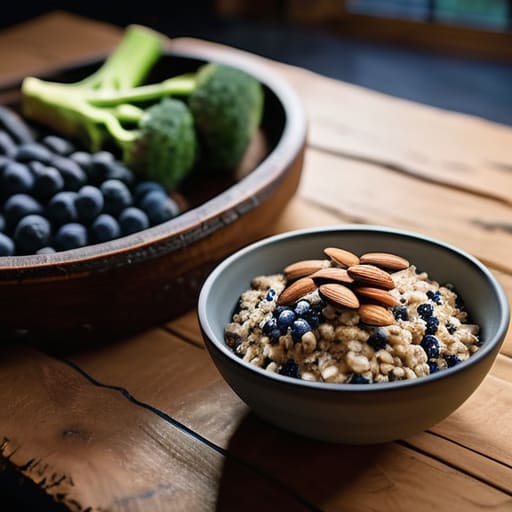
I remember sitting in a cramped, humid wrestling room back in my early twenties, nursing a stomach that felt like it was doing backflips mid-scramble. I was following every “elite” training protocol I could find, but I was completely ignoring the basics of how my food was actually processing. People love to overcomplicate performance nutrition with expensive supplements and powders, but they completely overlook the boring, foundational stuff like wrestling dietary fiber. If you aren’t getting enough of it, you aren’t just “bloated”—you’re literally sabotaging your ability to stay light, agile, and ready to move on the mats.
I’m not here to sell you a magic pill or a complicated meal plan that requires a degree in biochemistry to follow. My goal is to cut through the noise and show you how to use fiber as functional fuel to keep your digestion steady and your energy levels consistent. We’re going to focus on practical, real-world ways to hit your targets so you can stop worrying about your gut and start focusing on building strength that actually shows up when the whistle blows.
Table of Contents
Mastering Digestive Health During Weight Cutting

When you’re cutting weight, the instinct is to slash everything and live on black coffee and protein shakes. That is a massive mistake. When you drop your food volume, your digestive system essentially goes into hibernation, which is a recipe for disaster when you need to feel light but powerful on the mats. Focusing on digestive health during weight cutting isn’t about adding bulk; it’s about choosing the right types of nutrients that keep things moving without causing unnecessary bloating.
I’ve seen too many athletes struggle with sluggishness and discomfort during a cut because they ignored the basics. Instead of cutting out all solids, lean into prebiotic foods for wrestlers like slightly underripe bananas or specific vegetables that feed your gut microbiome. This keeps your internal rhythm steady even when your caloric intake is lower. If you aren’t careful, you’ll end up feeling heavy and backed up, which is the last thing you want when you’re trying to make weight and stay agile. Prioritize preventing constipation in athletes by keeping a steady, controlled intake of fiber so you can focus on your technique, not your stomach cramps.
Complex Carbohydrates for Endurance and Consistent Energy

If you’re relying on simple sugars to get through a heavy drilling session, you’re going to crash before the second period even starts. To stay steady on the mats, you need to lean heavily on complex carbohydrates for endurance. Unlike the quick spike and drop of a candy bar or white bread, slow-burning carbs like sweet potatoes, oats, and brown rice provide a sustained release of energy. This steady stream of fuel is what allows you to maintain your intensity when the match gets grueling and your lungs are burning.
Beyond just energy, these slow-digesting options are essential for maintaining your gut’s rhythm. Incorporating prebiotic foods for wrestlers—think garlic, onions, and slightly under-ripe bananas—helps feed the good bacteria in your gut, which keeps your digestion moving efficiently even when your training volume spikes. When you pair these complex carbs with a solid variety of whole grains, you aren’t just fueling your muscles; you’re building a foundation of fiber for athletic performance that keeps your body functioning as a well-oiled machine rather than a sluggish one.
Real-World Tactics for Getting Your Fiber Right
- Don’t make sudden jumps; if you’re used to a low-fiber diet, scale up your intake of beans, lentils, and whole grains slowly over a week so you don’t end up bloated and uncomfortable during practice.
- Water is your best friend here—fiber needs hydration to move through your system effectively, so keep that shaker bottle full of electrolytes and water to avoid any digestive backups.
- Prioritize “slow-burn” fiber sources like oats and berries in your pre-training meals to keep your blood sugar stable and prevent that mid-scramble energy crash.
- Be strategic with timing; I usually suggest heavy fiber loads during your larger meals rather than right before a high-intensity session to avoid feeling heavy or cramped on the mats.
- Focus on whole food sources over supplements whenever possible, because the micronutrients in a bowl of quinoa or a plate of roasted veggies do way more for your recovery than a processed powder ever will.
The Bottom Line: Building a Resilient Gut
Stop overcomplicating your plate; prioritize consistent fiber intake to keep your digestion steady and your energy levels from crashing mid-practice.
Use fiber as a tool for weight management, not a weapon—focus on high-quality, whole sources to stay full and capable without the bloat.
Treat your gut health like your strength training: it requires consistent, daily effort to build the resilience needed to handle the demands of a heavy wrestling season.
The Gut-Performance Connection
“If you’re treating your body like a machine on the mats but ignoring your gut health, you’re leaving performance on the table; fiber isn’t just ‘healthy,’ it’s the steady fuel that keeps your energy from crashing mid-match.”
Tamsin Broadhurst
The Bottom Line on Fueling Your Grind

At the end of the day, managing your fiber intake isn’t about following some arbitrary dietary rule; it’s about managing your body’s internal engine. We’ve talked about how fiber keeps your digestion steady during those intense weight cuts and how complex carbs provide the steady stream of energy you need to stay explosive on the mats. If you ignore this, you’re essentially trying to run a high-performance engine on low-grade fuel. By prioritizing whole foods and consistent fiber, you’re ensuring that your digestive health supports your performance rather than sabotaging it when you need it most.
I know it’s easy to get caught up in the grind of training and forget about the smaller details, but remember that strength is a skill built on more than just what you do in the gym or on the mat. It’s built in the kitchen and in how you respect your body’s physiological needs. Don’t just train to look a certain way; train to be capable, resilient, and fueled for the long haul. Keep showing up, keep eating with intention, and let your nutrition be the foundation that allows your true potential to come through in every match.
Frequently Asked Questions
How do I increase my fiber intake without causing bloating or heaviness before a match?
The key is a slow build. Don’t go from zero to sixty overnight; your gut needs time to adapt. I recommend increasing your intake incrementally over a couple of weeks. Focus on soluble fiber—like oats or peeled fruit—which is gentler on the system. Most importantly, keep your hydration high. If you increase fiber without enough water, you’re just asking for that heavy, bloated feeling right when you need to be light on your feet.
Should I be prioritizing different types of fiber during a weight cut versus my off-season training?
Absolutely. During the off-season, I want you focusing on high-volume, complex fibers—think oats, lentils, and leafy greens—to support recovery and steady energy. But when you’re cutting weight, we have to be more strategic. You still need fiber for digestion, but you can’t let it crowd out your limited calorie budget. Switch to more concentrated sources or slightly lower the total volume to avoid feeling overly bloated while staying on track with your target weight.
Are there specific high-fiber foods that won't mess with my energy levels during intense drilling sessions?
Look, you don’t want a fiber bomb sitting in your gut while you’re trying to finish a heavy drilling set. Stick to “gentle” fibers like berries, oats, or cooked sweet potatoes. They provide that steady energy release without the heavy, bloated feeling that comes from massive amounts of raw cruciferous veggies. Aim for these a few hours before you hit the mats so you’re fueled and capable, not distracted by your digestion.
