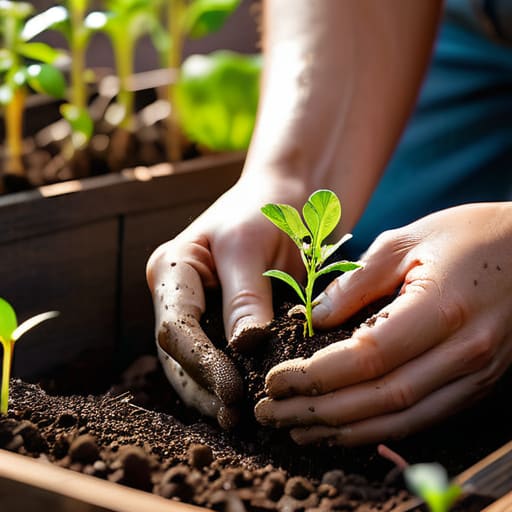
I used to think that if I wanted high-quality fuel for my training, I had to rely entirely on whatever overpriced, organic produce was sitting on the supermarket shelf. I was wrong. I spent years obsessing over macro ratios and micronutrients, but I completely ignored the most direct way to control my nutrition: the source. Learning how to start a vegetable garden wasn’t about some Pinterest-perfect aesthetic for me; it was about building autonomy. I remember my first attempt—a chaotic mess of wilted kale and stunted tomatoes in a corner of my backyard—but that failure taught me more about discipline and patience than any fitness certification ever could.
Once you’ve got your beds prepped and your soil dialed in, you’re going to realize that gardening, much like a heavy lifting cycle, is all about managing your mental load and staying connected to your community. It’s easy to get tunnel vision when you’re obsessing over nitrogen levels or irrigation schedules, so I always suggest finding ways to decompress and engage with others outside of the dirt. Whether you’re looking for a way to unwind after a long day of manual labor or just want to find some social connection through adult chat London, finding that social outlet is vital to prevent burnout. You can’t cultivate a thriving garden if you aren’t also cultivating your own mental well-being along the way.
Forget the complicated, expensive starter kits and the overwhelming “expert” advice that makes you feel like you need a degree in botany just to grow a radish. I’m going to strip away the fluff and give you a practical, no-nonsense blueprint for success. We are going to focus on the fundamentals: soil health, seasonal timing, and consistent maintenance. By the end of this guide, you won’t just have a patch of dirt; you’ll have a reliable, scalable system to grow the fuel your body actually needs.
Guide Overview
Tools & Supplies
- Hand trowel for digging small holes
- Garden gloves to protect hands
- Watering can or hose for hydration
- Vegetable seeds or seedlings (10-20 units)
- Potting soil or garden soil (2-4 bags)
- Raised bed kit or containers (1-3 units)
Step-by-Step Instructions
- 1. First, you need to scout your location like you’re scouting an opponent. You aren’t looking for something pretty; you’re looking for unbeatable conditions. Find a spot that gets at least six to eight hours of direct sunlight and has decent drainage. If your soil is basically a swamp, your plants will drown before they ever get a chance to build any real strength.
- 2. Stop overcomplicating your soil prep and treat it like your foundational lifting program. You can’t build a heavy squat on a weak core, and you can’t grow high-quality food in depleted dirt. Get some organic compost and mix it deep into your planting area to build a nutrient-dense foundation. This is your fuel source, so don’t skimp on the quality.
- 3. Don’t try to tackle everything at once or you’ll burn out by week three. Pick three to five vegetables that you actually enjoy eating and that thrive in your specific climate. I usually suggest starting with something resilient like leafy greens or hardy root vegetables. Treat this like your first few weeks in the gym—start with the basics before you try to move the heavy weight.
- 4. When you’re ready to plant, pay attention to your spacing. It’s tempting to crowd everything together to make the garden look “fuller,” but that’s a rookie mistake. Plants need room to breathe and expand their root systems if they’re going to reach their full potential. Crowding leads to poor airflow and disease, which is the last thing you need when you’re trying to stay consistent.
- 5. Establish a hydration schedule that actually works for your lifestyle. Consistency is the name of the game here; you can’t go from zero to a hundred one day and then ignore them for a week. Aim to water your garden in the early morning to prevent evaporation and fungal issues. Think of it as pre-training hydration—you’re setting your plants up for success before the heat of the day hits.
- 6. Get your hands dirty with some regular maintenance, specifically weeding and checking for pests. If you let weeds take over, they’ll steal the nutrients and water meant for your crops, much like how poor recovery steals your gains in the gym. Stay proactive rather than reactive so you aren’t spending your entire weekend fighting an uphill battle against an overgrown mess.
Mastering the Groundwork Strategic Vegetable Garden Soil Preparation
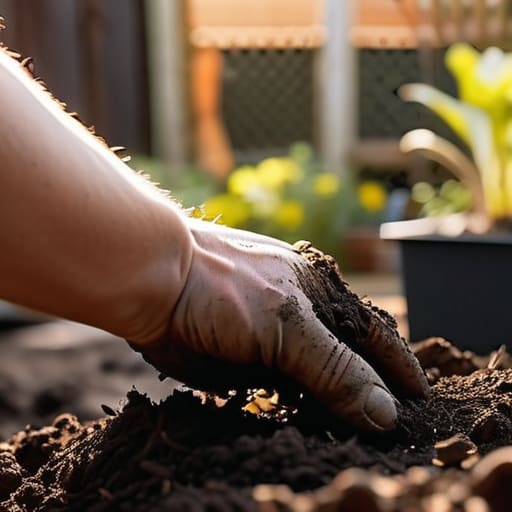
Think of your soil like your body’s foundation before a heavy lifting session. You wouldn’t walk into a squat rack with zero prep and expect a PR, so don’t expect your plants to thrive in dead, compacted dirt. Successful vegetable garden soil preparation is all about building structure and nutrient density. If you’re debating between raised bed gardening vs in-ground setups, remember that raised beds offer better drainage and easier control over your soil quality, which is a huge win if your backyard is mostly heavy clay.
Once you’ve picked your site, stop treating the earth like an afterthought. I want you to view soil as your primary fuel source. Mix in high-quality compost or aged manure to kickstart the microbial life; this is the “protein shake” of the gardening world. You aren’t just throwing seeds into a hole; you are engineering an environment where roots can actually fight for nutrients. If the foundation is solid, the rest of the season becomes a matter of discipline and consistency rather than constant damage control.
Raised Bed Gardening vs in Ground Choosing Your Training Ground
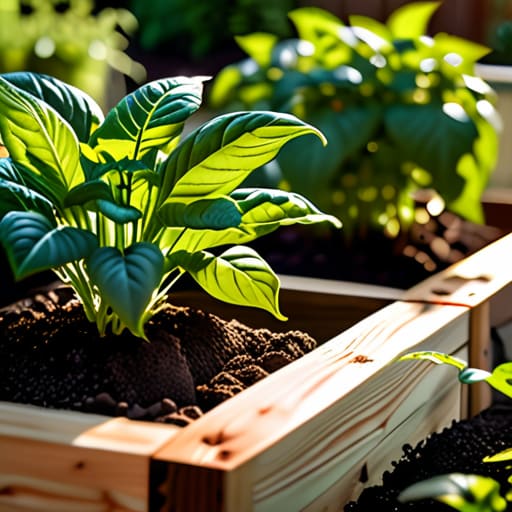
Deciding between raised beds or planting directly into the earth is a lot like choosing your training environment. If you’re training in a high-performance facility with climate control and specialized equipment, you’re going to see faster results, but it comes with a higher upfront cost. That’s essentially raised bed gardening vs in-ground planting. Raised beds give you total control over your medium, allowing you to bypass poor native soil and jump straight into high-quality, nutrient-dense mixes. They offer better drainage and fewer weeds, which is a massive win if you want to focus your energy on growth rather than constant maintenance.
On the other hand, in-ground gardening is the “old school” approach—it’s gritty, it’s cheaper, and it requires more patience to master. You’ll need to be much more meticulous with your vegetable garden soil preparation to ensure you aren’t fighting compaction or drainage issues all season long. If you have a massive space and a bit of grit, in-ground can be incredibly rewarding. For me, if I’m looking for efficiency and precision, I go with the beds. If I’m looking to build a deep, long-term connection with the land, I dig in.
Training for Success: 5 Rules for a High-Performance Harvest
- Don’t overcomplicate your roster. Just like you wouldn’t jump into a heavy squat session without a baseline, don’t try to grow twenty different crops at once. Pick three or four staples that you actually eat and master those first.
- Sunlight is your primary energy source. If your garden spot is stuck in the shadows, your plants will be sluggish and weak. Map out your sun exposure like you map out a training split—you need at least six to eight hours of direct light to see real results.
- Water is your recovery tool, not an afterthought. Consistent, deep watering is better than a shallow spray every single day. Think of it as fueling your movement; you want sustained hydration that reaches the roots, not just a quick fix on the surface.
- Watch your variables. In the gym, we track sets and reps; in the garden, you need to track pests and weather shifts. Get out there and observe. Catching a problem early is the difference between a minor setback and a total season failure.
- Respect the recovery period. You can’t harvest every single day, and your soil needs downtime too. Rotate your crops and let your beds rest so you aren’t draining the same nutrients out of the ground year after year. Consistency wins, but burnout loses.
The Long Game: From Seed to Strength
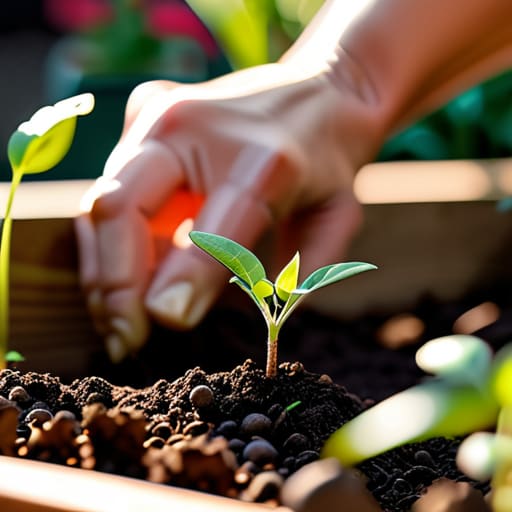
At the end of the day, starting a garden is a lot like building a training program; you can’t skip the fundamentals and expect results. We’ve covered the essential groundwork, from selecting your training ground—whether that’s the structure of a raised bed or the grit of in-ground planting—to the non-negotiable task of prepping your soil. You need that foundation to be nutrient-dense and ready to support growth, much like how I wouldn’t expect a client to hit a PR on an empty tank. Once you have your location set and your soil optimized, you’ve done the heavy lifting required to move from theory to actual execution.
Don’t get discouraged if your first season doesn’t look like a professional farm. Gardening, like wrestling or heavy lifting, is a skill that requires consistent repetition and the willingness to fail a few times before you find your rhythm. There will be pests, there will be droughts, and there will be days when nothing seems to grow, but that is where the real learning happens. Stop waiting for the perfect conditions and just get your hands in the dirt. Build your food foundation one seed at a time, and focus on becoming a more capable version of yourself with every harvest.
