I still remember sitting on a cold, sweat-slicked mat in a high school gym, my stomach churning not from nerves, but from the sheer exhaustion of trying to survive a practice on nothing but a handful of stale crackers and sheer willpower. I used to think that being a “real” wrestler meant starving myself or living off whatever processed garbage was convenient between rounds. That’s a lie, and honestly, it’s a dangerous one. Most of the advice you see online about wrestling food preparation is either way too expensive or involves a level of “biohacking” that’s just plain ridiculous. You don’t need a PhD or a massive budget to eat like an athlete; you just need to stop treating your body like an afterthought.
I’m not here to sell you on some magic supplement or a complicated meal plan that takes three hours to prep. Instead, I’m going to give you the straightforward, science-backed truth about how to fuel your body so you can actually hold your own on the mat. We’re going to strip away the fluff and focus on practical wrestling food preparation that fits into a busy training schedule. My goal is to help you build functional strength and sustained energy through consistent, no-nonsense nutrition.
Table of Contents
High Protein Meal Planning for Wrestlers
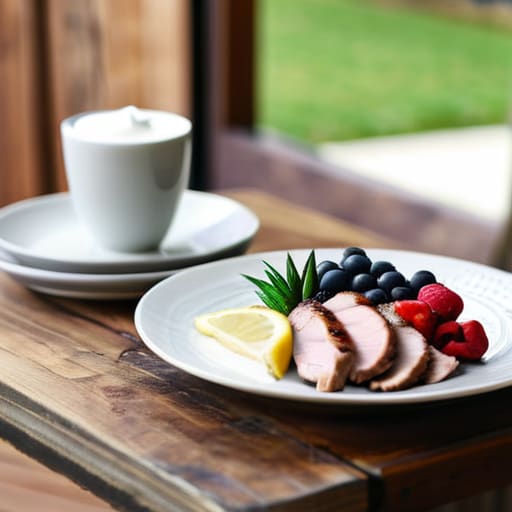
If you’re coming off a heavy drilling session or a hard live round, your body is essentially a sponge looking for repair materials. This is where high protein meal planning for wrestlers becomes non-negotiable. I don’t care if you’re aiming for a specific weight class or just trying to build raw power; you need a steady stream of amino acids to fix the muscle tissue you’re breaking down. I tell my athletes to stop chasing “protein snacks” and start looking at whole sources—think chicken, Greek yogurt, or lean beef—that actually provide the nutrient density for combat sports rather than just empty calories.
The real mistake I see is people treating protein like a magic pill while ignoring the energy required to actually move. You can’t build strength on a deficit of fuel. To keep your intensity high during those grueling practice blocks, you have to pair that protein with complex carbohydrates for energy. If you’re just slamming a shake and skipping the oats or sweet potatoes, you’re going to crash mid-match. Aim for a balance that keeps your blood sugar stable so you can stay focused on the mat, not on your stomach.
Nutrient Density for Combat Sports Performance
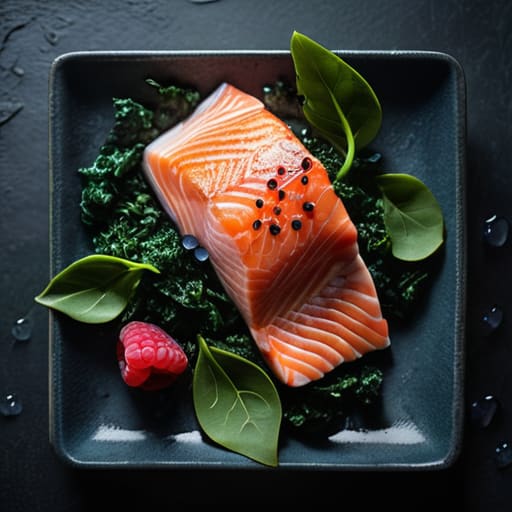
When we talk about nutrient density for combat sports, I’m not talking about counting every single calorie like it’s a math exam. I’m talking about the quality of what you’re putting in your tank. If you’re filling up on empty calories just to hit a number, you’re going to crash halfway through your second period. You need foods that pack a punch—think leafy greens, fatty fish, and colorful berries—that provide the micronutrients necessary to keep your inflammation down and your focus sharp.
For anyone navigating athlete weight management nutrition, the temptation is often to just eat less. But if you eat less while training harder, you’re just digging a hole. Instead, focus on loading your plate with complex carbohydrates for energy like sweet potatoes or oats. These provide a steady stream of fuel rather than a quick spike and crash. We aren’t just eating to stay light; we are eating to ensure that when you’re in a scramble on the mat, your body actually has the biological resources to respond.
Five No-Nonsense Rules for Your Prep Week
- Stop relying on “quick fixes” from the vending machine; spend Sunday prepping actual whole foods like chicken, sweet potatoes, or lean beef so you aren’t scrambling when the training intensity spikes.
- Prioritize portable fuel that won’t leave you feeling sluggish, like overnight oats or Greek yogurt parfaits, which are perfect for those tight windows between classes and the mat.
- Master the art of the “component prep” rather than the rigid meal; prep your proteins, grains, and veggies separately so you can mix and match based on how much energy you actually need that day.
- Pack your electrolytes like your life depends on it—I never step into a gym without my shaker bottle, and you shouldn’t either, especially if you’re hitting a heavy technical session.
- Don’t neglect your post-training window; have a grab-and-go protein shake or a quick recovery snack ready to go immediately after practice to kickstart muscle repair before the fatigue sets in.
The Bottom Line: Fueling for the Mat
Stop treating nutrition like a math problem; focus on hitting your protein targets and eating whole foods so you actually have the energy to finish your rounds.
Consistency beats perfection every single time—it’s better to have a solid, repeatable meal plan than to try some complex diet that falls apart mid-week.
View your food as functional fuel for your movement, not just calories, to ensure you’re building strength rather than just surviving your training sessions.
Fueling the Work
Stop treating your nutrition like an afterthought or a math problem to solve; treat it like the foundation of your training. If you aren’t prepping your fuel with the same discipline you use on the mats, you’re leaving your performance to chance.
Tamsin Broadhurst
The Bottom Line

At the end of the day, wrestling food preparation isn’t about achieving some aesthetic ideal or following a restrictive, trendy diet. It’s about the logistics of performance. We’ve covered why you need to prioritize high protein to repair muscle tissue after a grueling session, and why nutrient density is your best friend when you’re trying to maintain energy through a heavy cutting cycle or a long tournament day. If you can master the basics—getting your macros in order and focusing on real, whole foods—you’ve already won half the battle. Stop treating your nutrition like an afterthought and start treating it like the essential training tool it actually is.
I know it’s easy to let meal prep slide when you’re exhausted from a double session or a long day of work, but remember why you’re doing this. You aren’t just eating to survive; you are fueling a machine that is designed to be powerful, resilient, and capable. Strength is a skill, and that includes the skill of discipline in the kitchen. When you show up to the mat with a body that is properly fueled, you aren’t just competing against an opponent—you are proving to yourself that you have the mental toughness to do the work required for greatness. Now, go get after it.
Frequently Asked Questions
How do I manage my meal prep when I have a heavy training session or a tournament scheduled late in the evening?
When you’ve got a late session or a tournament, timing is everything. Don’t try to eat a massive, heavy meal right before you hit the mat—that’s a recipe for disaster. Focus on a high-carb, moderate-protein meal about two to three hours prior. If you’re tight on time, keep it simple: oatmeal with fruit or a turkey sandwich. Keep your digestion light so your energy goes to your muscles, not your stomach.
What are some quick, high-protein snack options I can grab between classes and the gym that won't make me feel sluggish on the mat?
When you’re rushing from a lecture to the gym, you need fuel that actually hits, not just empty calories. Skip the sugary granola bars that lead to a crash. Grab some beef jerky, a hard-boiled egg, or a Greek yogurt cup. If you’re on the move, a quick protein shake with some almond butter is a lifesaver. Keep it simple: high protein, moderate fat, low refined sugar. That’s how you stay sharp on the mat.
How much should I be adjusting my calorie intake on rest days versus my high-intensity wrestling days?
Don’t fall into the trap of starving yourself on off-days just because you aren’t hitting the mat. On high-intensity days, you need those extra calories to fuel the output and recover. On rest days, I recommend a slight reduction—focusing more on nutrient density rather than just slashing volume. Think of it as a slight taper. You’re still repairing tissue and rebuilding strength, so don’t cut your fuel so low that your recovery stalls.
