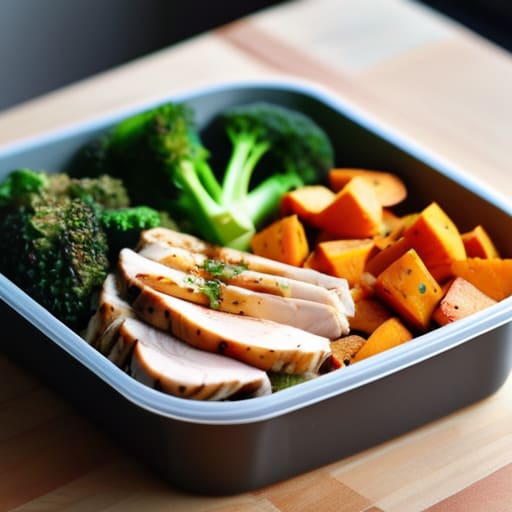
We’ve all been there: it’s 12:30 PM, you’re halfway through a grueling training block, and your stomach is starting to stage a protest. When you’re grinding through technical drills or heavy lifting sessions, your energy shouldn’t be a guessing game. Most people treat their midday meal as an afterthought, but if you’re serious about your performance on the mat, you can’t afford to run on fumes. Finding practical wrestling lunch ideas that actually provide sustained energy—without making you feel sluggish or bloated—is the difference between dominating your afternoon session and just trying to survive it.
I’m not here to give you a list of complicated, gourmet recipes that take three hours to prep. You need fuel that is efficient, high-quality, and easy to digest. In this post, I’m breaking down five specific, science-backed options that I personally recommend to my athletes to keep their strength up and their focus sharp. We’re going to move past the junk and focus on building real capability through smart, intentional nutrition. Let’s get into what you should actually be eating to power your grind.
Table of Contents
The Classic Chicken and Quinoa Bowl
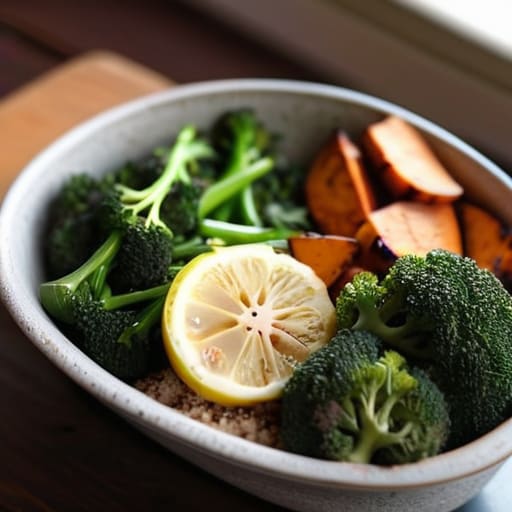
When I was grinding through double sessions in my early wrestling days, I learned pretty quickly that you can’t survive on empty calories. This bowl is my go-to because it hits that sweet spot of complex carbs and lean protein without making you feel heavy or sluggish. I like to batch-cook my quinoa and chicken on Sundays so that when midday hits, I’m not scrambling for something subpar at a vending machine.
Turkey and Avocado Power Wraps
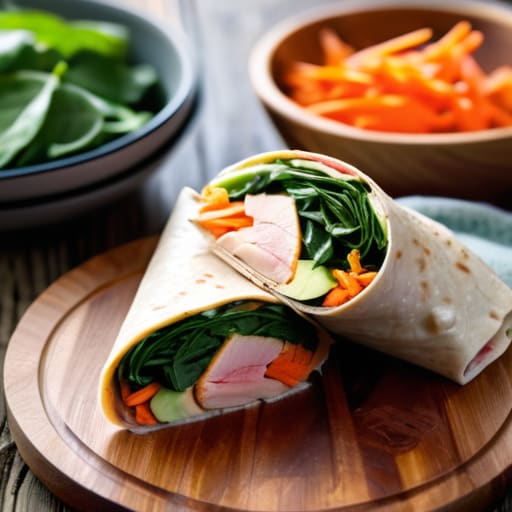
If you’re someone who is constantly on the move between the gym and the mat, you need something portable that doesn’t require a fork and knife. A high-quality whole-grain wrap stuffed with turkey, avocado, and plenty of crunchy veggies is a total lifesaver. I always tell my athletes that fat is fuel, and the healthy fats from the avocado are essential for keeping your hormones balanced and your brain sharp during technical sessions.
Cold Soba Noodle Salad
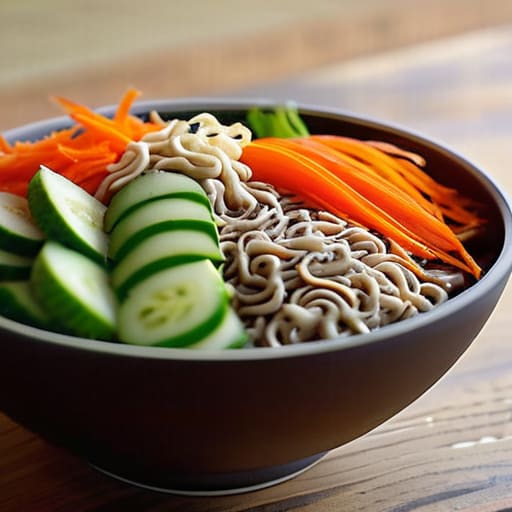
Sometimes, after a particularly intense morning of wrestling, the last thing I want is a heavy, steaming meal that sits in my stomach like a brick. That’s where a cold soba noodle salad comes in clutch. Buckwheat noodles are a fantastic source of complex carbohydrates, and because they’re served cold, they are incredibly easy on the digestion when your appetite might be a little suppressed from training.
Tuna and Chickpea Smash
We need to talk about protein density. If you aren’t getting enough, your recovery is going to suffer, and you’ll start feeling more beat up than you actually are. A tuna and chickpea smash is a powerhouse option that you can prep in five minutes. I skip the heavy mayo and instead use a little Greek yogurt or avocado to bind it, which keeps the protein count high and the unnecessary fats low.
Beef and Broccoli Stir-Fry
For the days when you really feel like you’ve emptied the tank, you need something a bit more substantial. A beef and broccoli stir-fry is my favorite way to get iron and zinc back into my system after a heavy lifting session. Iron is absolutely critical for oxygen transport in your blood, which is something every wrestler needs to keep their conditioning levels high during those grueling third periods.
The Bottom Line for Your Midday Fuel
Stop treating lunch like an afterthought; view it as the essential bridge between your morning grind and your afternoon training session.
Prioritize a balance of complex carbs and high-quality protein to keep your energy stable and prevent that mid-afternoon crash.
Focus on consistency over perfection—finding a few reliable, easy-to-prep meals is better than trying to engineer a perfect menu every single day.
Fueling the Grind
Stop treating your midday meal like an afterthought or a chore; your lunch is the fuel that determines whether you’re dominating your next practice or just surviving it.
Tamsin Broadhurst
Fueling the Long Game
At the end of the day, these lunch options aren’t about perfection or following a strict, rigid diet; they are about functional utility. Whether you’re grabbing a quick chicken and quinoa bowl or prepping a hearty turkey wrap, the goal is to avoid the mid-afternoon crash that kills your afternoon drilling sessions. We’ve looked at how prioritizing lean proteins, complex carbs, and healthy fats can keep your energy stable and your focus sharp. Remember, the best meal is the one that actually gets eaten and provides the sustained energy your body needs to recover from the mats and get back to work tomorrow.
I know how easy it is to let nutrition slide when you’re exhausted from a heavy weight cut or a grueling practice, but I need you to treat your food with the same respect you treat your technique. You wouldn’t show up to a match without warming up, so don’t show up to your training sessions running on empty. Strength is a skill, and that includes the skill of fueling yourself properly. Stop viewing food as a chore or a puzzle to solve and start seeing it as the essential foundation for everything you want to achieve in the ring. Now, go get after it.
Frequently Asked Questions
How do I balance my lunch macros if I have a heavy technical drilling session right after eating?
If you’re heading straight into technical drilling, you need to prioritize easily digestible carbs and moderate protein. Avoid heavy fats or massive amounts of fiber right before you hit the mats—they sit like a brick in your stomach while you’re moving. Think of it as timing your fuel: aim for a mix that provides steady energy without the bloat. Keep it clean, keep it simple, and make sure it’s actually fueling your movement.
What are some good ways to prep these meals on a Sunday so I'm not scrambling during a busy training week?
Don’t try to cook everything from scratch every single night; you’ll burn out before your first session. Spend your Sunday batch-cooking your proteins—think grilled chicken, lean ground turkey, or even seasoned tofu—and roasting a massive tray of veggies. Store them in individual containers so you can just grab, heat, and go. Having those building blocks ready means you’re fueling for performance, not just grabbing whatever is fastest when you’re exhausted.
If I'm trying to stay in a specific weight class, how much can I adjust the portion sizes without losing my energy for practice?
Listen, don’t go slashing your portions blindly. If you drop your calories too fast, your technical work in practice will suffer, and that’s when injuries happen. Aim for a modest deficit—maybe 200 to 300 calories below maintenance. Instead of just eating less of everything, prioritize your macros. Keep the protein high to protect your muscle and time your carbs around your hardest training sessions. We’re training for capability, not just a number on the scale.
