
I still remember the smell of stale sweat and floor cleaner in my first amateur wrestling gym, feeling completely helpless as a heavy opponent sprawled on me. I spent months doing endless, mindless sit-ups, thinking that was the secret, only to realize I was building a “six-pack” that had absolutely zero utility when I was fighting for position on the mat. If you think you can buy your way to elite wrestling core strength with a fancy $100 ab-roller or a subscription to a generic fitness app, you’re wasting your time. Real stability isn’t about how your midsection looks in the gym mirror; it’s about functional tension that holds up when someone is trying to snap your head down or drive through your hips.
I’m not here to sell you on a miracle circuit or a complicated, over-engineered routine. Instead, I’m going to show you how to build a core that actually works for the sport. We are going to focus on high-leverage movements and stability patterns that translate directly to the mat, moving away from aesthetics and toward true capability.
Table of Contents
Mat Strength Training for Functional Capability

If you’re still just doing endless sit-ups in the corner of the gym, you’re missing the point. In a match, your core isn’t just about aesthetics; it’s the bridge that transfers power from your legs to your upper body when you’re trying to finish a double leg. To actually prepare for the grind, you need to prioritize functional core movements for combat sports that mimic the chaos of a scramble. Think about rotational stability and resisting force, not just crunching your abs.
I always tell my athletes to move away from static planks and toward dynamic, unstable loads. Incorporating things like medicine ball rotational throws or heavy sandbag carries builds the kind of explosive power for wrestlers that actually translates to the mat. You want to train your body to stay rigid when someone is trying to snap your head down, but fluid enough to react to a change in position. This isn’t about being “gym strong”—it’s about building a midsection that can withstand the relentless pressure of a high-level opponent.
Core Stability for Grapplers Under Pressure
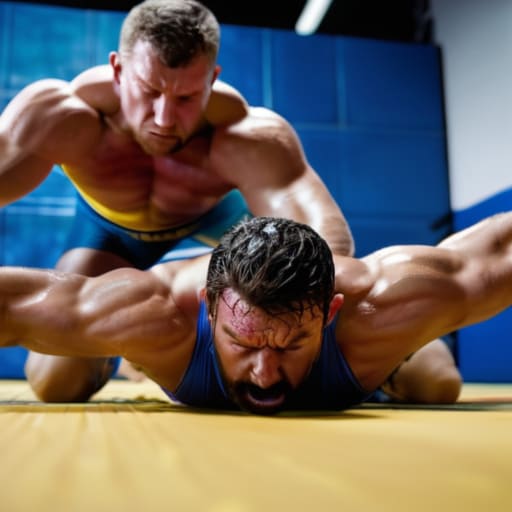
When you’re stuck in a scramble or fighting off a heavy sprawl, your core isn’t just about aesthetics—it’s your anchor. If your midsection is soft, you’re going to feel every ounce of your opponent’s weight crashing down on you. To fix this, you need to move away from static planks and start focusing on core stability for grapplers that mimics the chaos of a live match. I’m talking about movements that force you to maintain tension while your limbs are moving in unpredictable directions.
I always tell my athletes that stability is the foundation for explosive power for wrestlers. If you can’t stabilize your spine during a heavy shot or a hip toss, you’re essentially leaking energy. Incorporating rotational holds and anti-rotation drills into your routine is non-negotiable. These aren’t just extra reps; they are essential for preventing wrestling injuries through core strength by teaching your body to resist unwanted force. You want a trunk that stays rigid when the pressure is highest, allowing you to dictate the pace instead of just reacting to it.
Stop Chasing Abs and Start Building Mat-Ready Power
- Prioritize anti-rotation over crunches. In a match, you aren’t lying on your back doing sit-ups; you’re fighting to stop someone from twisting your hips out of position. Exercises like Pallof presses teach your core to resist that force, which is where real stability lives.
- Integrate heavy carries into your sessions. Whether it’s a sandbag or a heavy kettlebell, walking with uneven loads forces your entire midsection to stabilize under tension. It mimics the awkward, heavy weight of an opponent trying to drive through you.
- Train your core in three dimensions. Wrestling isn’t linear. If you only train forward and backward movements, you’re going to get caught. You need rotational strength and lateral stability to handle the sprawling, twisting, and sudden changes in direction that happen in real-time.
- Don’t neglect the posterior chain. Your “core” isn’t just your six-pack; it’s your entire trunk, including your lower back and glutes. If your back is weak, your power transfer from your legs to your upper body is going to leak, leaving you feeling powerless on the mat.
- Practice breathing under tension. I see so many athletes hold their breath when things get heavy, which actually compromises their stability. Learn to maintain a braced, tight core while still taking controlled breaths—it’s the difference between gassing out in the second period and staying composed.
The Bottom Line: Building a Core That Actually Works
Stop training for a six-pack and start training for stability; your core’s real job is to transfer power and keep you from getting folded when you’re fighting for position.
Prioritize multi-planar movements like rotational work and anti-rotation exercises to ensure your strength holds up when a match gets chaotic and unpredictable.
Consistency is your best tool—building a resilient midsection is a slow build of skill and discipline, not a quick fix you find in a single workout.
Strength Beyond the Mirror
Stop training for a six-pack and start training for a spine that won’t fold when you’re fighting for a single leg; in wrestling, your core isn’t an aesthetic—it’s your center of gravity and your primary line of defense.
Tamsin Broadhurst
Building a Foundation That Lasts

At the end of the day, wrestling core strength isn’t about how many crunches you can knock out before your abs burn; it’s about how well your midsection integrates your limbs when you’re in the middle of a scramble. We’ve talked about moving away from vanity movements and focusing instead on functional stability and rotational power. Whether you are bracing against a heavy sprawl or generating force for a takedown, your core is the bridge that connects your strength to your movement. If that bridge is weak, your entire performance collapses under pressure. Stop training for the mirror and start training for the mat.
I know the grind can feel relentless, and sometimes it feels like you’re putting in all this work without seeing an immediate payoff in your matches. But remember, strength is a skill, and like any skill, it requires patience and relentless consistency. You aren’t just building muscle; you are building a more capable version of yourself that can handle whatever an opponent throws your way. Keep showing up, keep fueling your body properly, and trust the process. You aren’t just training to win a match; you are training to be unstoppable.
Frequently Asked Questions
How much weight should I actually be adding to my core lifts without compromising my form on the mat?
Listen, if you’re chasing a number on a plate just to ego-lift, you’re doing it wrong. In wrestling, a broken form translates to a broken position on the mat. I follow a “technical failure” rule: add weight only when you can complete every rep with perfect, crisp control. If your hips shift or your spine rounds, the set is done. Aim for incremental progress—maybe just 2.5 to 5 pounds—to keep building capability without the injury risk.
Can I build enough wrestling-specific core strength through bodyweight exercises alone, or do I need a barbell?
Look, if you’re just starting out, bodyweight work is a solid foundation for learning how to brace. But if you want to actually dominate on the mat, you’re eventually going to need that barbell. Bodyweight exercises are great for stability, but they can’t mimic the heavy, unpredictable load of a resisting opponent quite like a heavy deadlift or a weighted carry. Use the floor to build the skill, but use the iron to build the armor.
How do I balance heavy core stability work with a high-intensity wrestling practice schedule so I don't burn out?
Listen, you can’t redline your nervous system every single day. If you’re hitting a heavy wrestling session, don’t try to crush a maximal core circuit right after; that’s a fast track to injury. Instead, treat your heavy stability work as a supplement, not a second practice. Use your lifting days to build that foundational tension, and on high-intensity mat days, stick to lighter, movement-based core work. Train smart so you actually show up tomorrow.
