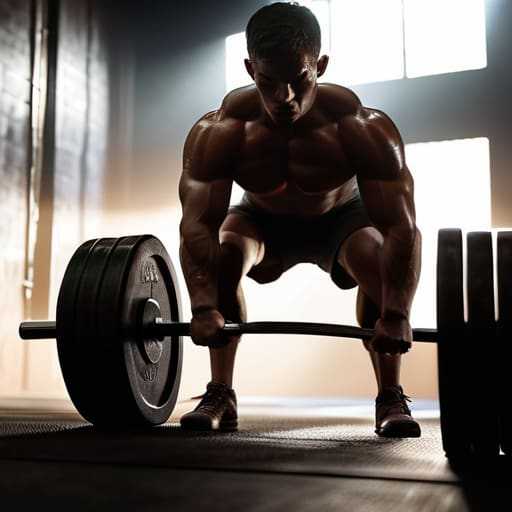
I still remember the smell of stale sweat and industrial floor cleaner in that basement gym where I spent my early twenties, gasping for air after a grueling session. I was working hard, sure, but I was just moving weight without any real purpose. I’d see guys doing endless sets of high-rep hypertrophy work, thinking they were getting “mat ready,” only to get absolutely bullied by a more explosive opponent who actually knew how to leverage force. That’s the problem with most advice out there: people treat strength like a vanity project instead of a tactical advantage. If you aren’t integrating specific wrestling powerlifting for wrestlers into your off-season, you aren’t training for the sport; you’re just playing around in the weight room.
I’m not here to sell you a complicated, thirty-page PDF or a “secret” supplement stack that promises instant results. My goal is to give you the straight truth on how to build functional armor through heavy compound movements that actually translate to the mat. We are going to focus on the big lifts—squats, deadlifts, and presses—and how to use them to ensure you are the one controlling the tie-up, not the one being controlled. This is about building capability, not just chasing a number on a barbell.
Table of Contents
Mastering Maximal Strength for Grapplers
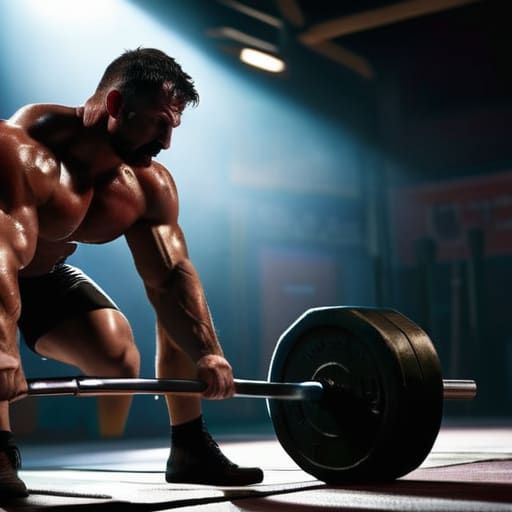
When you’re deep in a third period and your lungs are burning, you don’t need “toning” exercises; you need a nervous system that knows how to recruit every single muscle fiber at once. This is where the concept of maximal strength for grapplers becomes your greatest asset. We aren’t just chasing numbers on a barbell for the sake of ego. We are training your body to handle heavy, unpredictable loads so that when you’re fighting for a single-leg takedown, your base is unshakeable. By focusing on low-rep, high-intensity compound movements, you’re teaching your brain to fire your muscles with more efficiency.
The transition from the weight room to the mat is where most people trip up. You can’t just be a specialist in one or the other; you need to bridge the gap. Effective strength training for combat sports requires a balance of heavy tension and controlled movement. If you spend all your time doing slow, grinding lifts, you’ll lose that snap needed for shots and sprawls. You have to treat your heavy lifting sessions as the foundation that allows you to eventually tap into that explosive, violent energy required to dominate an opponent.
Strength Training for Combat Sports Over Aesthetics
Look, I get it. We live in a culture obsessed with how a body looks in a photo, but if you’re stepping onto the mat, your physique is secondary to your performance. I see too many athletes wasting hours on isolation movements—bicep curls and calf raises—that do absolutely nothing when you’re fighting for a single leg. When we talk about strength training for combat sports, we aren’t chasing a pump; we are building a toolkit. You need to train for the reality of the grind, where your ability to hold a position or drive through a sprawl matters more than your abdominal definition.
The goal is to build functional armor. This means prioritizing compound movements that translate directly to the mat. If a lift doesn’t help you improve your leverage or stabilize your core under a heavy load, it’s probably just noise. We aren’t training to look like fitness models; we are building functional strength for wrestling so that when the third period hits and your lungs are burning, your body actually has the structural integrity to keep moving. Stop training for the mirror and start training for the win.
Five Ways to Turn Your Lifting Sessions Into Mat Dominance
- Prioritize the big three—squat, bench, and deadlift—but don’t just chase numbers. Focus on the explosive intent of every rep. If you’re moving the bar like it’s stuck in molasses, you aren’t building the kind of snap you need to finish a double leg.
- Stop neglecting your posterior chain. Wrestling is won or lost in the hips and lower back. Heavy deadlifts and Romanian deadlifts aren’t just for building muscle; they’re building the structural armor you need to resist being snapped down or turned.
- Integrate unilateral work to fix your imbalances. You rarely move in a perfectly symmetrical plane on the mat. Incorporating Bulgarian split squats or single-leg deadlifts ensures that one weak side doesn’t become the lever your opponent uses to take you down.
- Train for recovery, not just intensity. I’ve seen too many athletes burn out by trying to hit a PR every single session. Use your lifting blocks to build a foundation, but listen to your body—if your central nervous system is fried, you won’t be able to perform when the whistle blows.
- Fuel the work, don’t starve the strength. You can’t build maximal strength on a deficit. If you want to see those powerlifting numbers climb while staying agile for wrestling, you need to treat your nutrition like the high-performance fuel it is.
The Bottom Line: Building Your Mat-Ready Foundation
Stop chasing a “beach body” and start chasing numbers that translate to the mat; if your lifting doesn’t help you control an opponent or explode through a shot, you’re just wasting time in the weight room.
Treat strength like any other technical skill in wrestling—it requires deliberate, consistent practice and a programmatic approach rather than just throwing random weights around.
Fuel your performance with intention by viewing nutrition as the essential raw material for your recovery and strength gains, not as something to be restricted or overcomplicated.
Strength is Your First Line of Defense
“Stop chasing a pump and start chasing force production. In wrestling, a heavy squat isn’t about how your legs look in gym shorts; it’s about having the structural integrity to refuse to be moved when someone is trying to drive you through the mat.”
Tamsin Broadhurst
Building Your Foundation
At the end of the day, integrating powerlifting into your wrestling routine isn’t about chasing a specific physique or hitting a PR just for the sake of the numbers. It’s about the tactical advantage that comes when you can out-muscle an opponent in a scramble or hold a dominant position because your posterior chain is built like iron. We’ve covered why you need to prioritize maximal strength, why your nutrition needs to be functional fuel rather than a restrictive puzzle, and why you must shift your mindset from aesthetic goals to functional capability. When you treat strength as a skill to be mastered, you stop being a victim of the grind and start becoming the one who dictates the pace on the mat.
Don’t let the fear of getting “bulky” or the intimidation of a heavy barbell keep you from the progress you deserve. The mat is unforgiving, and it doesn’t care how you look in a mirror; it only cares about how much force you can exert and how well you can recover. Stop training for the applause and start training for the unseen moments of a match—the heavy hand fights, the grueling third period, and the ability to stay grounded when everything feels like it’s slipping away. Get under the bar, stay consistent, and build the armor you need to compete at your highest level.
Frequently Asked Questions
How do I balance heavy powerlifting sessions with my technical wrestling practice without burning out?
Listen, you can’t treat your body like an infinite resource. If you’re redlining in the weight room and then trying to grind through technical drilling, you’re begging for an injury. Prioritize your wrestling sessions—that’s your primary sport. Use powerlifting to build your foundation, but keep the volume manageable. If your CNS feels fried or your mat work is suffering, pull back on the heavy sets. We lift to fuel the wrestling, not to replace it.
Will adding a heavy squat and deadlift program make me too stiff or slow on the mat?
Short answer: No, not if you’re doing it right. If you’re feeling stiff, you’re likely neglecting your mobility work or overtraining without enough recovery. Heavy squats and deadlifts build the explosive power you need to drive through a shot or hold a position. The key is treating your lifting as part of your performance toolkit, not a separate chore. Keep your accessory work focused on range of motion, and you’ll find you’re actually more explosive, not slower.
How much should I be eating to support both high-intensity lifting and the weight cuts required for my wrestling division?
Stop treating your body like a math problem you’re trying to solve by starving. To fuel heavy lifts and manage weight cuts, you need to prioritize protein to protect your muscle mass and timed carbohydrates to power your sessions. Don’t slash calories across the board; instead, cycle your intake. Eat more on heavy training days and taper slightly as you approach weigh-ins. We’re fueling for performance, not just chasing a number on the scale.
