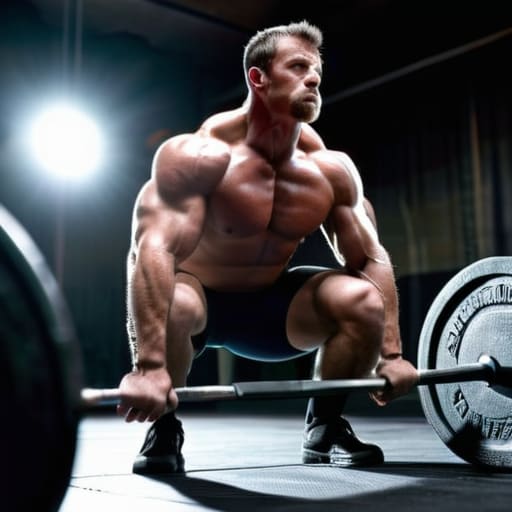
I remember sitting on the edge of a sweat-soaked mat in a cramped high school gym, listening to a coach drone on about “bulking up” with endless sets of isolation curls and fancy supplements. It felt like a joke. Everyone was obsessed with looking bigger in the mirror, but none of them could actually control a person once the whistle blew. That’s the biggest mistake I see people making with wrestling hypertrophy: they treat it like a bodybuilding contest instead of a tool for dominance. If you’re just adding weight to your frame without adding stability and functional power, you aren’t getting stronger—you’re just getting easier to move.
I’m not here to sell you a complicated, overpriced meal plan or a spreadsheet full of fluff. I’m going to show you how to build muscle that actually translates to the mat through science-based lifting and intentional fueling. We are going to focus on building functional mass that supports your explosive movements and helps you hold your ground when the grind gets heavy. No hype, no nonsense—just the real-world strength you need to win.
Table of Contents
- Hypertrophy vs Strength for Wrestlers Choosing Function Over Aesthetics
- Functional Hypertrophy in Combat Athletes Building Mass That Moves
- Stop Training for the Mirror: 5 Rules for Wrestling-Specific Hypertrophy
- The Bottom Line: Training for the Mat
- ## The Performance Standard
- The Long Game: Building a Body That Performs
- Frequently Asked Questions
Hypertrophy vs Strength for Wrestlers Choosing Function Over Aesthetics
Here is the distinction that most people miss: just because you’re adding size doesn’t mean you’re adding utility. In my experience training grapplers, there is a massive difference between looking like you can wrestle and actually having the capacity to control an opponent. When we talk about hypertrophy vs strength for wrestlers, the goal isn’t to walk around with massive, puffy muscles that drain your gas tank in the first period. We are looking for functional hypertrophy in combat athletes—muscle that is dense, resilient, and capable of generating force without becoming a liability to your mobility.
If you spend all your time chasing a pump with high-rep isolation work, you might look great in a tank top, but you’ll likely struggle when you need to explode out of a sprawl. You need a program that prioritizes strength training for combat sports, blending heavy compound movements with enough volume to support structural integrity. It’s about finding that sweet spot where you build enough mass to withstand the grind of the mat, but keep your power-to-weight ratio high enough to stay fast and agile.
Functional Hypertrophy in Combat Athletes Building Mass That Moves
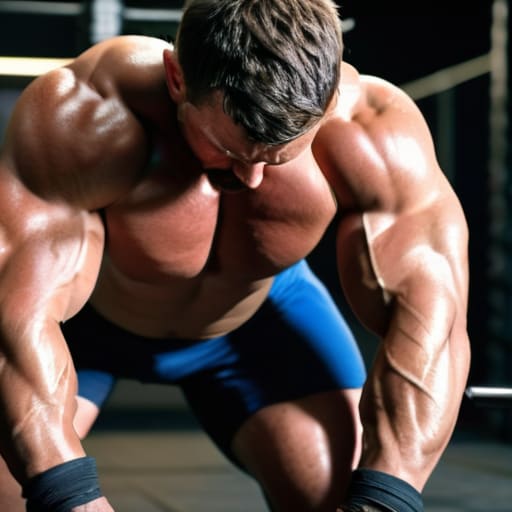
When we talk about functional hypertrophy in combat athletes, we aren’t just talking about adding inches to your biceps for the sake of a mirror selfie. In wrestling, every ounce of new mass needs to serve a purpose. If you’re putting on weight that makes you sluggish or kills your gas tank, you’re actually making yourself a worse wrestler. We want wrestling specific muscle building that prioritizes the posterior chain, the core, and the pulling muscles that allow you to snap an opponent down or hold a heavy sprawl.
The goal is to create a body that is both resilient and explosive. This means your resistance training for grappling shouldn’t just be mindless isolation work; it needs to mimic the tension and varied angles you encounter on the mat. I tell my athletes to focus on movements that integrate the whole body. You aren’t just building muscle; you are building a toolkit of strength that translates directly into better leverage and more dominant control during a match.
Stop Training for the Mirror: 5 Rules for Wrestling-Specific Hypertrophy
- Prioritize compound movements over isolation work. I don’t care how much you can curl, but if you can’t pull a heavy deadlift or drive through a squat, you’re wasting time. You need muscle that works in unison to stabilize your joints and move an opponent.
- Don’t neglect your eccentric control. In wrestling, you aren’t just exploding upward; you’re fighting against an opponent’s weight as they try to pull you down or sprawl. Slow, controlled descents in your lifting build the structural integrity you need to resist being snapped down.
- Use hypertrophy as a tool for injury prevention, not just size. Focus on your posterior chain and rotational core strength. Building mass in your glutes and hamstrings isn’t just about power—it’s about protecting your knees and lower back when you’re caught in a scramble.
- Eat for the workload, not the scale. If you’re trying to add functional mass, you cannot afford to be in a massive calorie deficit. Treat your protein intake like your training schedule: non-negotiable. If you aren’t fueling the growth, you’re just breaking your body down without any way to rebuild it.
- Keep your volume high but your specificity higher. Yes, you need enough sets and reps to trigger muscle growth, but don’t get lost in endless bodybuilding splits. Every extra ounce of muscle you put on should serve a purpose on the mat—if it makes you slower or more easily fatigued, it’s dead weight.
The Bottom Line: Training for the Mat
Stop training for a bodybuilding stage; if your new muscle mass doesn’t help you maintain a sprawl or finish a takedown, it’s dead weight that’s just going to tire you out mid-match.
Prioritize compound movements that demand stability and multi-planar movement, because wrestling isn’t played out on a single plane of motion like a bench press.
View your nutrition as a performance tool rather than a calorie counting game—you need a consistent surplus to build that functional mass, but it has to be clean fuel that supports recovery, not just empty calories.
## The Performance Standard
“If your training program is just about adding inches to your biceps but leaves you gasping for air and losing leverage during a sprawl, you aren’t building muscle—you’re just carrying extra weight. In wrestling, hypertrophy has to serve the movement; we build mass to become harder to move, not just harder to look at.”
Tamsin Broadhurst
The Long Game: Building a Body That Performs
At the end of the day, wrestling hypertrophy isn’t about hitting a specific number on a scale or fitting into a certain clothing size. It’s about the strategic application of volume to build muscle that actually serves you when you’re deep in a third period. We’ve covered why you need to prioritize functional mass over vanity, why your nutrition needs to be as disciplined as your drilling, and how to select movements that translate from the weight room to the mat. If you focus on building muscle that can stabilize a heavy shot or hold a tight clinch, you aren’t just getting bigger—you are becoming harder to move and easier to control.
Don’t let the complexity of sports science intimidate you. Strength is a skill, and like any skill, it requires you to show up when you don’t feel like it. There will be days when the weight feels heavy and the calories feel insufficient, but remember that you are training for capability, not just aesthetics. Every rep you grind out and every meal you prep is an investment in your future self on the mats. Stop training to look like an athlete and start training to be one. Get to work.
Frequently Asked Questions
How do I balance a high-volume hypertrophy program without burning out before my next wrestling practice?
Listen, you can’t train like a bodybuilder and a wrestler at the same time without hitting a wall. If your lifting volume is killing your mat performance, you’re overreaching. Scale back the accessory work and prioritize your big, compound movements. Focus on quality over quantity. If you’re feeling sluggish during practice, drop a set or two from your hypertrophy sessions. We’re building a machine here, not just chasing a pump. Don’t sacrifice your gas tank for a bicep peak.
Should I be eating in a surplus to gain mass, or will that extra weight slow me down on the mat?
It’s a balancing act, not an all-you-can-eat buffet. If you’re purely chasing a massive surplus, you’re going to end up sluggish and heavy on your feet. I want you to aim for a “lean gain”—a slight caloric surplus that prioritizes high protein to build muscle without the unnecessary fat. You need the mass to win the hand fight, but you can’t afford to lose the gas tank. Eat for the work, not just the scale.
How can I tell if I'm building "junk" muscle that doesn't actually help my grappling?
If you’re getting bigger but your gas tank is hitting empty by the second period, you’re likely building “junk” mass. If you feel heavy, stiff, or sluggish during live drilling, your hypertrophy isn’t translating to the mat. Real functional muscle should feel like armor, not a weighted vest. If you can crush a PR in the squat rack but struggle to maintain a heavy sprawl or stay explosive through a scramble, it’s time to pivot your programming.
