I still remember the heavy, suffocating feeling of hitting the second period in a tournament match, my legs feeling like lead pipes and my brain turning to fog. I used to think that was just part of the grind, a tax you paid for being in the room. But looking back at my early days in the wrestling circles, I realized I wasn’t just “toughing it out”—I was starving my engine. I had been told that keeping weight down was the only thing that mattered, completely ignoring the fact that proper carb loading for wrestling is what actually keeps you from gassing out when the match gets heavy.
I’m not here to sell you on some expensive, over-engineered supplement protocol or a complicated meal plan that requires a chemistry degree to follow. We aren’t training to look a certain way; we are training to be capable athletes. In this post, I’m stripping away the noise to give you a straight-up, science-backed approach to fueling. You’re going to learn how to use carbohydrates as actual fuel for your movement so you can show up to the mat feeling powerful, not depleted.
Table of Contents
Maximizing Muscle Glycogen for Unstoppable Mat Presence

When you’re deep in the third period and your lungs are burning, your body isn’t looking for motivation—it’s looking for glucose. This is where maximizing muscle glycogen becomes your biggest competitive advantage. Think of glycogen as your internal battery; if you show up to the mat with a half-charged cell, you’re going to crash hard when the intensity spikes. By focusing on complex carbohydrates for athletes in the 24 to 48 hours before a tournament, you aren’t just eating; you are essentially “topping off the tank” so your muscles have the immediate energy required for explosive shots and heavy hand fighting.
It’s not just about the volume of food, though. It’s about the timing and the quality. I tell my athletes that if they want to maintain that unstoppable mat presence, they need to move away from sugary, empty calories and lean into sustained energy. If you fill up on junk, you’ll end up with a blood sugar spike followed by a massive slump right when you need to be most reactive. We train to be capable, and that capability is built on the foundation of preventing fatigue in wrestling matches through smart, intentional fueling.
Complex Carbohydrates for Athletes Building Skillful Stamina
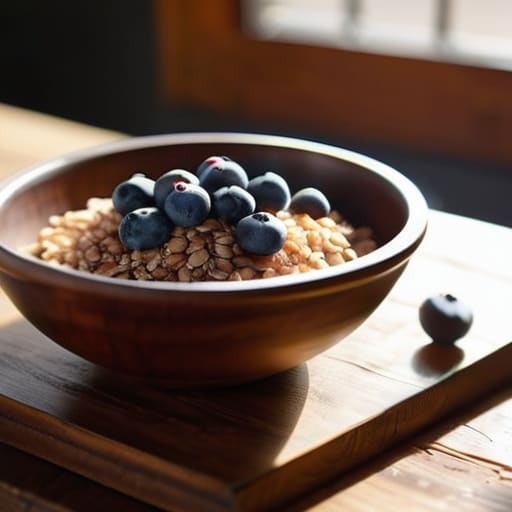
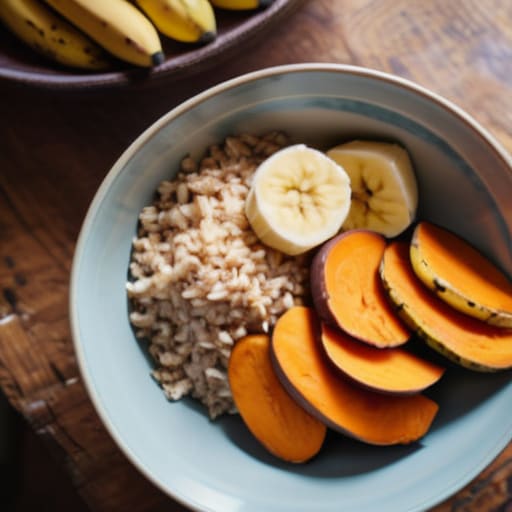
If you’re relying on sugary snacks or white bread to get you through a grueling practice, you’re going to hit a wall halfway through the second period. To actually sustain your energy, you need to prioritize complex carbohydrates for athletes like oats, sweet potatoes, and brown rice. These aren’t just “healthy” options; they are slow-burning fuel sources that provide a steady stream of glucose to your bloodstream. Instead of the spike-and-crash cycle that leaves you feeling sluggish, these foods provide the sustained release necessary for preventing fatigue in wrestling matches when the intensity ramps up.
Think of your nutrition like your technical drilling: you can’t build a high-level skill on a shaky foundation. By choosing dense, fiber-rich carbs, you’re ensuring that your body has a reliable reservoir of energy to draw from during those heavy scrambles. It’s about more than just hitting a number on a macro tracker; it’s about building the stamina required to stay explosive from the first whistle to the final buzzer. Stop treating your meals like an afterthought and start treating them like the essential training tool they are.
My Non-Negotiables for Pre-Match Fueling
- Stop treating the day before a tournament like a buffet. Focus on high-quality, easy-to-digest carbs like white rice or pasta so you aren’t sitting there feeling bloated and sluggish when you need to be explosive.
- Timing is everything. Don’t just dump a mountain of carbs in your mouth an hour before you step on the mat; spread that intake out over the 24 hours leading up to your first match to ensure your glycogen stores are actually topped off.
- Keep the fiber low when the stakes are high. I know we talk a lot about whole grains, but the night before a big meet, I swap the heavy bran for something simpler. You don’t want your digestive system working harder than your muscles during a scramble.
- Don’t forget your liquid fuel. If you’re struggling to eat enough solid food due to nerves, use a sports drink or a simple carbohydrate solution to keep your energy levels steady without feeling like you have a brick in your stomach.
- Test your protocol in training, not in the tournament circle. Never try a new “carb-loading” strategy on the day of a competition. Use your heavy sparring sessions or intense lifting days to see exactly how your body reacts to different fuel loads.
The Bottom Line: Fueling for the Fight
Stop treating carbs like the enemy; they are your primary fuel source for the high-intensity bursts required on the mat.
Prioritize slow-burning complex carbs during the day to build a foundation of stamina, then lean into targeted intake around your training sessions.
Consistency in your nutrition is just as important as your drilling; you can’t build elite capability if you’re running on an empty tank.
Fueling for the Grind
Stop treating carbs like a math problem to solve and start seeing them as the raw energy you need to actually hold your position and finish that takedown when your lungs are burning.
Tamsin Broadhurst
Fueling the Win

At the end of the day, carb loading isn’t some magic trick or a complicated math equation you need to solve before you step onto the mat. It’s about being smart with your resources. We’ve talked about why maximizing your glycogen stores is non-negotiable for that explosive power and why choosing complex carbs is what actually builds the stamina to survive those grueling third periods. If you stop treating nutrition like a puzzle and start seeing it as the literal fuel for your movement, everything changes. Focus on the quality of your intake, time your meals so you aren’t sitting heavy during a match, and trust the process you’ve built during training.
I know how easy it is to get caught up in the grind and forget that your body is a machine that requires high-grade fuel to perform. You wouldn’t try to win a championship on an empty tank, so don’t try to do it with a depleted one. Remember, strength is a skill, and that includes the skill of fueling yourself properly. You train to be capable, to be resilient, and to be dangerous on the mat. Now, go out there, use the energy you’ve built, and show them what you’re made of.
Frequently Asked Questions
How do I time my carb intake so I don't feel heavy or sluggish right before I step onto the mat?
The goal is to time your fuel so you’re energized, not weighed down. I recommend eating your largest, most complex carb meal about three to four hours before you step on the mat. This gives your body enough time to digest so you aren’t sitting there with a heavy stomach. Right before you warm up, switch to something simple and fast-acting—like a piece of fruit. It’s about steady energy, not a sugar crash mid-match.
Can I still hit my performance goals if I'm following a specific diet, like keto or low-carb, during the season?
Look, I’ll be straight with you: it’s going to be an uphill battle. If you’re wrestling, your body is screaming for glucose to power those explosive shots and scrambles. While you can technically perform on keto, you’re essentially trying to run a high-performance engine on low-grade fuel. You might maintain weight, but you’ll likely sacrifice that top-end intensity. If you’re set on it, prioritize timing, but don’t be surprised when the mat feels heavier.
Is it better to focus on a massive carb load the night before a tournament, or should I be eating more consistently throughout the day?
Don’t fall into the trap of trying to cram a week’s worth of fuel into a single massive meal the night before. That’s a recipe for bloating and a heavy stomach when you need to be agile. Focus on consistent, quality intake throughout the day leading up to the tournament. Think of it as layering your energy. Steady fueling keeps your glycogen stores topped off without making you feel sluggish when the whistle blows.
