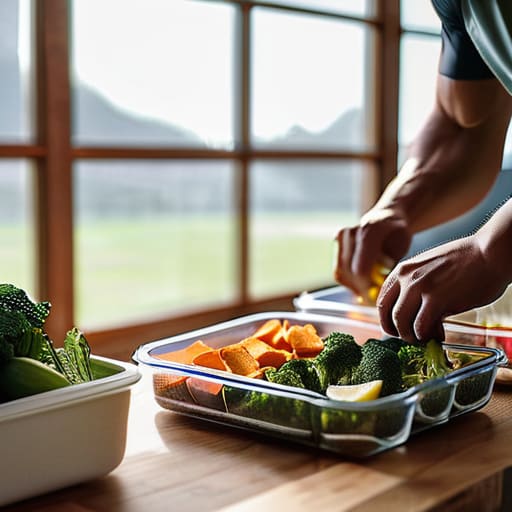
I still remember the smell of stale gym mats and that hollow, shaky feeling in my stomach halfway through a grueling afternoon session. Back then, I thought “eating right” meant starving myself or following some ridiculous, overpriced fad diet that left me too lightheaded to even finish a drill. Most people will tell you that successful wrestling meal prep requires a culinary degree and a massive budget, but they’re selling you nonsense. You don’t need complicated recipes or expensive supplements to stay competitive; you just need to stop treating your nutrition like a guessing game and start treating it like actual fuel.
I’m not here to give you a list of “superfoods” that taste like cardboard. Instead, I’m going to show you how to build a sustainable system that works for your schedule and your strength goals. We are going to focus on practical, high-density nutrition that supports your recovery without turning your kitchen into a second job. My goal is to give you the tools to master your wrestling meal prep so you can stop thinking about your next snack and start focusing on what actually matters—the work you do on the mat.
Table of Contents
Optimizing Macronutrient Ratios for Wrestlers
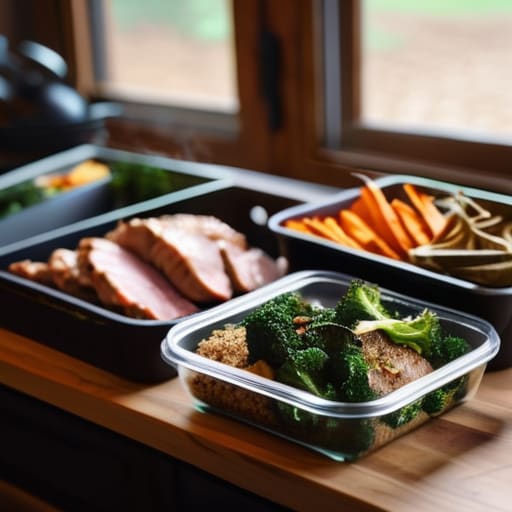
When you’re staring down a heavy practice or a grueling weight cut, you can’t afford to guess your way through your macros. I see too many athletes making the mistake of cutting calories too aggressively, which just leaves them flat on the mat. To stay sharp, you need to nail your macronutrient ratios for wrestlers by prioritizing high-quality proteins for muscle repair and complex carbs to keep your glycogen stores topped off. Think of your food as the literal fuel for your movement; if the ratio is off, your performance will be too.
If you’re currently navigating weight class management nutrition, don’t just starve yourself into a deficit. Instead, lean into low calorie high volume foods like massive bowls of leafy greens, roasted cruciferous vegetables, and lean proteins. This strategy keeps your stomach full and your energy steady without blowing your caloric budget. When you’re prepping your weekly containers, aim for a balance that supports both your strength sessions and your technical drilling. It’s about being capable and fueled, not just hitting a number on the scale.
Using Meal Prep Containers for Athletes
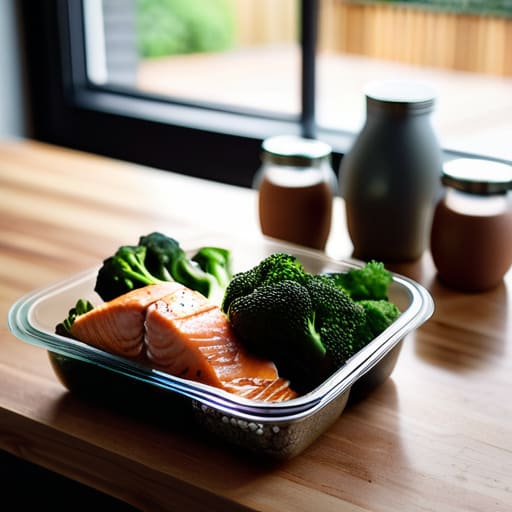
Look, I’ve seen too many athletes walk into the gym or onto the mat running on fumes because they didn’t have a plan. If you’re serious about your performance, you need to stop relying on whatever vending machine snack is closest. Investing in high-quality meal prep containers for athletes isn’t just about being organized; it’s about tactical readiness. I prefer glass containers because they’re durable and don’t leach chemicals into your food, which is vital when you’re trying to keep inflammation low.
When you’re prepping, think about compartmentalization. Use containers with dividers to keep your proteins separate from your complex carbs and greens. This makes it much easier to manage weight class management nutrition without accidentally overeating a specific food group. If you’re trying to stay lean while maintaining strength, pack your containers with low calorie high volume foods like roasted zucchini or massive piles of spinach. This keeps you physically full so you aren’t fighting hunger pangs during a heavy drilling session. Get your gear, set your containers out on Sunday, and stop making excuses for poor fueling.
Stop Guessing, Start Fueling: 5 Rules for Smarter Prep
- Batch cook your proteins in bulk. Whether it’s shredded chicken, lean ground turkey, or steak strips, having your primary building blocks ready to go means you won’t reach for processed junk when you’re exhausted after a heavy lifting session.
- Prioritize complex carbs for sustained energy. I don’t want to see you hitting a wall mid-practice because you only ate simple sugars. Prep large batches of sweet potatoes, brown rice, or quinoa to keep your glycogen levels stable throughout the grind.
- Don’t neglect your micronutrients. A container full of meat and rice is fine, but if you aren’t adding greens, you’re leaving performance on the table. Roast a massive tray of broccoli, peppers, and zucchini every Sunday so you can toss them into any meal.
- Master the “Grab-and-Go” snack stash. Wrestling schedules are chaotic. Keep easy, nutrient-dense snacks like hard-boiled eggs, Greek yogurt, or almonds in your gym bag so you aren’t training on an empty tank or a sugar crash.
- Prep for your recovery, not just your training. Your body builds strength while you sleep, not just while you’re on the mat. Ensure your prepped meals include enough healthy fats and protein to support muscle repair and hormonal health overnight.
The Bottom Line: Eat to Perform
Stop treating nutrition like an afterthought; treat your meal prep as a non-negotiable part of your training cycle, just like your lifting sessions.
Focus on high-quality fuel that supports recovery and sustained energy, ensuring you aren’t hitting a wall halfway through a practice or a match.
Keep your system simple and consistent so that your nutrition supports your strength instead of becoming another mental drain on your day.
## The Reality of the Grind
“You can’t expect to dominate on the mat if you’re fueling like an amateur; meal prep isn’t about perfection, it’s about making sure your body has the resources to fight when the third period hits and everyone else is running on empty.”
Tamsin Broadhurst
The Work Starts in the Kitchen
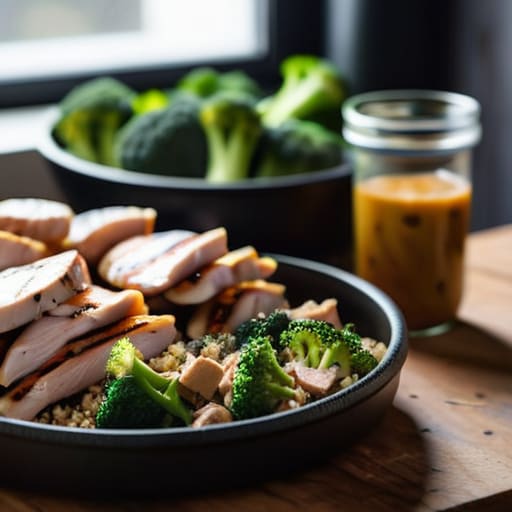
At the end of the day, successful wrestling meal prep isn’t about achieving some impossible level of culinary perfection; it’s about removing the friction between your hunger and your performance. By dialing in your macronutrient ratios and getting organized with the right containers, you stop making excuses and start making progress. You’ve laid the groundwork by understanding how to fuel your body for the intensity of the mat and how to manage your time effectively. Remember, the goal is to make your nutrition an automated part of your routine so that when you step into the gym or the wrestling room, your only focus is the work that needs to be done.
Don’t let a bad week of eating derail your entire season. If you miss a prep session or grab something quick on the go, just get back on track with your next meal. Strength is a skill, and just like perfecting a takedown or mastering a heavy squat, consistency is your greatest tool. You are training to be capable, resilient, and powerful—and that kind of transformation starts with the fuel you choose today. Stop overthinking the science and just start building your foundation. You’ve got this.
Frequently Asked Questions
How do I adjust my meal prep when I'm cutting weight for a competition without crashing my energy levels?
Cutting weight shouldn’t mean starving yourself into a fog. When you’re dropping pounds for a meet, don’t slash your carbs across the board; that’s how you crash during training. Instead, focus on high-volume, low-calorie foods like leafy greens and cruciferous veggies to keep your stomach full. Prioritize lean protein to protect your muscle mass, and time your remaining complex carbs around your hardest sessions. We’re cutting weight, not your ability to compete.
What are some high-protein snack ideas I can grab between training sessions and classes?
When you’re bouncing between classes and the mat, you need snacks that actually sustain you, not just sugar crashes. I swear by Greek yogurt with a handful of almonds or hard-boiled eggs—they’re easy, portable, and hit that protein mark. If you’re on the move, grab some beef jerky or a high-quality protein shake. Stop reaching for the vending machine granola bars; grab real fuel that supports your recovery.
Can I still hit my macro targets if I'm relying on budget-friendly staples like rice and beans?
Absolutely. In fact, rice and beans are some of my favorite staples for a reason. They’re reliable, cheap, and easy to scale. The trick is ensuring you aren’t just eating carbs; you need to layer in complete proteins and healthy fats to actually fuel your training. Pair your rice and beans with some lean ground turkey, canned tuna, or even eggs to hit those protein numbers. Don’t let a tight budget stall your progress.
