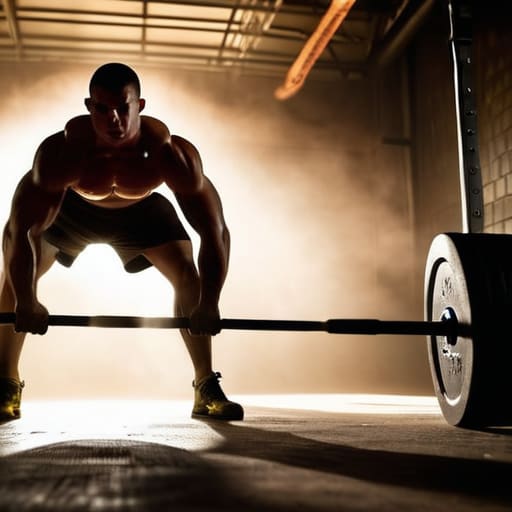
I still remember the smell of stale sweat and disinfectant in my old training basement, the sound of heavy breathing cutting through the silence as I struggled to finish a set of cleans. I was chasing every fancy, high-tech program I could find, thinking that if I just bought the right gear or followed a “secret” protocol, I’d finally have that lightning-fast shot. But all I ended up with was burnt-out joints and a plateau that wouldn’t budge. I learned the hard way that wrestling explosive lifting isn’t about how much weight you can move in a slow, grinding rep; it’s about how much force you can actually transfer to your opponent when the match is on the line.
I’m not here to sell you on some overpriced, complicated supplement stack or a training split that looks good on Instagram but fails on the mat. Instead, I’m going to give you the straight truth based on my years in the gym and on the mats. We are going to focus on functional capability—building the kind of raw, reactive power that actually helps you dominate a scramble. You’ll get science-backed movements that prioritize speed and stability, ensuring your training actually fuels your performance rather than just adding bulk.
Table of Contents
Optimizing Rate of Force Development Wrestling Needs

When we talk about performance on the mat, we aren’t just talking about how much you can squat. We’re talking about how fast you can actually use that strength. This is where rate of force development wrestling becomes the deciding factor between a successful takedown and getting stuffed. It’s the difference between having a massive engine and actually being able to floor the gas pedal when you see an opening. If your force production is slow, it doesn’t matter how much raw strength you have in the weight room; you’ll never be able to capitalize on that split-second window.
To bridge that gap, I always point my athletes toward movements that demand high-velocity output. This is why I integrate power cleans for athletes into my programming. These aren’t just “fancy” lifts; they teach your nervous system to recruit motor units rapidly. We aren’t training to look pretty in a mirror—we are training to ensure that when you trigger a shot, your hips and legs react with enough violence to dictate the pace of the match.
Power Cleans for Athletes Training With Purpose

If you’ve spent any time on a mat, you know that matches aren’t won in slow motion. They are won in those split seconds where you transition from a neutral stance to a lightning-fast shot. This is exactly why I prioritize power cleans for athletes who need more than just raw strength; they need speed. The clean teaches your body to recruit muscle fibers instantly, bridging the gap between being “gym strong” and being “mat ready.”
When we talk about olympic weightlifting for combat sports, I’m not trying to turn you into a competitive lifter. I’m using these movements to sharpen your ability to absorb and redirect force. A heavy, technical power clean builds the kind of explosive strength conditioning that makes your hips feel like springs. Instead of just moving weight from point A to point B, you’re training your central nervous system to fire with intent. If you can master the timing of a clean, you’ll find that improving wrestling shot speed becomes a natural byproduct of your training rather than a constant struggle.
Stop Chasing Weight and Start Chasing Intent
- Focus on bar speed, not just the number on the plates. If your movement becomes slow and grindy, you aren’t training power anymore—you’re training hypertrophy. In wrestling, a slow shot is a failed shot, so keep your reps crisp and violent.
- Prioritize unilateral movements to fix your imbalances. Wrestling is rarely a symmetrical sport; you’re constantly driving off one leg or fighting from awkward angles. Single-leg jumps and split squats ensure you don’t have a “weak side” for an opponent to exploit.
- Integrate plyometrics to bridge the gap between the weight room and the mat. Lifting heavy is great, but you need to teach your nervous system to actually use that strength instantly. Think box jumps or medicine ball slams that mimic the explosive urgency of a takedown.
- Don’t neglect your posterior chain. Your hips are the engine for every sprawl, lift, and drive you execute. If your glutes and hamstrings aren’t firing, you’re leaving your explosiveness on the table.
- Quality over quantity, every single time. Explosive training is taxing on the central nervous system. I’d much rather see you do three perfect, high-velocity reps than ten sluggish ones that leave you feeling sluggish instead of sharp.
The Bottom Line for Mat Performance
Stop training for the mirror; if a lift doesn’t translate to a more explosive shot or a stronger sprawl, it’s just wasted energy.
Prioritize quality and speed over total weight to ensure you’re actually training your nervous system to react, not just moving heavy iron slowly.
Treat your recovery and nutrition as non-negotiable tools that allow your body to actually absorb the power work you’re putting in.
## Stop Training for the Mirror, Start Training for the Mat
“In a match, nobody cares how much you can bench if you can’t drive through a shot or explode out of a scramble; stop chasing vanity metrics and start building the kind of functional power that actually turns a stalemate into a takedown.”
Tamsin Broadhurst
Bringing the Power to the Mat

At the end of the day, explosive lifting isn’t about adding more weight to your bar just for the sake of a heavy PR; it’s about how that force translates when you’re deep in a scramble. We’ve talked about why optimizing your rate of force development is non-negotiable and how movements like the power clean serve as the bridge between raw strength and functional dominance. If you focus on the quality of your movement and the intention behind every rep, you aren’t just building muscle—you are building the ability to react, explode, and control the pace of a match. Stop treating your lifting sessions like a separate entity from your wrestling; they are two sides of the same coin.
I know it’s tempting to get lost in the noise of trendy fitness fads, but I’m telling you, the magic happens in the boring, consistent application of science-based training. Strength is a skill, and like any skill you pick up on the mat, it requires patience and a refusal to take shortcuts. Don’t train just to look a certain way in the mirror; train so that when you hit that shot or defend that takedown, your body responds with unshakeable capability. Get under the bar, stay focused, and remember that every explosive rep is an investment in the athlete you are becoming.
Frequently Asked Questions
How can I balance heavy explosive lifting with a high-intensity wrestling practice without burning out?
Listen, you can’t redline your engine every single day. If you’re hitting heavy cleans in the morning and grinding through live wrestling drills at night, you’re asking for a CNS crash. Period. You have to prioritize your intensity. On heavy lifting days, dial back the volume in practice. On high-intensity mat days, keep the lifting sessions short and snappy. Focus on quality, nail your electrolytes, and don’t cheat your sleep. Train to be capable, not exhausted.
If I don't have a platform or a barbell, what are some effective ways to train for power using bodyweight or kettlebells?
You don’t need a full rack to build serious snap. If you’re stuck with just kettlebells, lean heavily into swings and snatches—they’re unmatched for teaching your hips to drive. If you’re strictly bodyweight, stop doing slow reps and start focusing on plyometrics. Think explosive jump squats, clap push-ups, or burpees with a vertical leap. The goal is maximal intent on every single rep. If you aren’t moving fast, you aren’t training power.
How much of my total training volume should be dedicated to explosive movements versus traditional strength work?
Look, there’s no magic ratio, but if you’re chasing wrestling-specific capability, your explosive work needs to stay high-quality, not high-volume. I usually aim for about 20-30% of my total lifting volume to be dedicated to power movements like cleans or jumps. You want to hit those explosive reps when you’re fresh. If you’re too fatigued from heavy grinders to move fast, you’re just training to be slow. Prioritize quality over quantity every single time.
