
I remember sitting on the edge of a worn-out wrestling mat in a humid basement gym, staring at a protein bar that promised “energy” but left me feeling like absolute garbage twenty minutes later. I had hit my caloric goal for the afternoon, but my body felt hollow, like I was trying to run a marathon on empty batteries. That was my first real lesson in the massive gap between nutrient density vs calories. You can hit your numbers on a spreadsheet and still be functionally starving because you’re feeding your weight instead of your performance.
I’m not here to sell you a complicated meal plan or a handful of expensive supplements that promise magic. My goal is to strip away the noise and show you how to actually use food as the fuel your training demands. We are going to stop obsessing over just hitting a calorie number and start focusing on the quality that drives your movement. I’m going to give you the straightforward, science-backed truth about how to prioritize the nutrients that build real capability, so you can stop guessing and start getting stronger.
Table of Contents
- Why Empty Calories vs Nutrient Dense Foods Dictate Your Strength
- The Real Link Between Metabolic Health and Food Quality
- Stop Guessing and Start Fueling: 5 Ways to Prioritize Density Over Numbers
- The Bottom Line: Stop Guessing and Start Fueling
- Stop Chasing Numbers and Start Building Capability
- Stop Chasing Numbers and Start Building Capability
- Frequently Asked Questions
Why Empty Calories vs Nutrient Dense Foods Dictate Your Strength

If you’re showing up to the gym every day but still feeling like you’re running on fumes, you need to look at what’s actually inside your fuel. When I was training in wrestling circles, I saw so many athletes make the mistake of chasing a specific number on the scale while completely ignoring the quality of their intake. This is where the battle between empty calories vs nutrient-dense foods really plays out. If you’re filling your plate with processed junk that’s high in energy but zero in actual substance, you aren’t building a powerhouse; you’re just building a crash-and-burn cycle.
The real kicker is how these choices impact your ability to actually train hard. Relying on calorie-dense, nutrient-poor foods messes with your caloric density and hunger regulation, leaving you constantly hungry even if you’ve hit your daily target. To build real strength, you need the vitamins and minerals that drive cellular function and recovery. If you want to be capable in the ring or under a heavy barbell, stop treating food like a math problem and start treating it like the essential building blocks for your performance.
The Real Link Between Metabolic Health and Food Quality
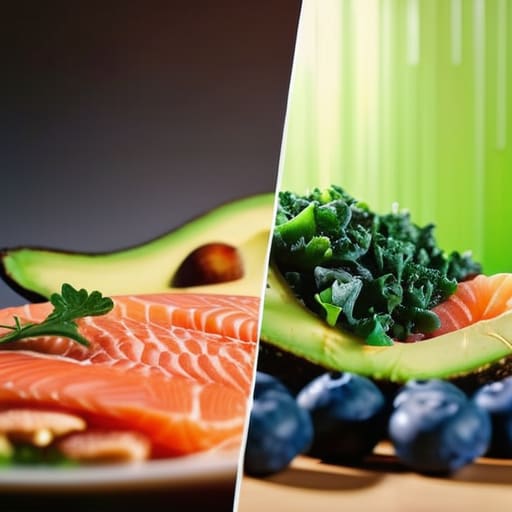
If you’ve ever felt like you’re doing everything “right”—hitting your macros and staying in a deficit—but you still feel like a zombie during your heavy sets, we need to talk about metabolic health and food quality. It’s not just about the energy you’re taking in; it’s about how your body actually processes that energy. When you rely on highly processed junk, you’re essentially asking your metabolism to work overtime just to manage blood sugar spikes and crashes. Over time, that constant roller coaster messes with your hormonal signaling, making it harder to maintain steady energy levels and even harder to recover from intense training sessions.
This is where the distinction between caloric density and hunger regulation becomes a game-changer for your performance. If you’re filling your plate with foods that are high in calories but low in actual substance, your brain never gets the signal that you’re actually nourished. You end up in this frustrating cycle of being “full” but still craving more because your cells are starving for micronutrients. To build real, functional strength, you have to stop treating your body like a math equation and start treating it like a high-performance engine that requires premium fuel.
Stop Guessing and Start Fueling: 5 Ways to Prioritize Density Over Numbers
- Prioritize the “Big Three” for every meal. Before you even look at the calorie count on a label, ask yourself if you’re getting a solid hit of protein, a complex carb, and a healthy fat. If you’re just eating a bowl of plain pasta, you’re hitting a calorie goal but leaving your muscles starving for the tools they need to recover.
- Use the “Volume vs. Value” litmus test. A handful of almonds and a massive bowl of leafy greens might have similar caloric footprints, but one provides the micronutrients and sustained energy needed for a heavy lifting session while the other is just a quick fix. Aim for foods that offer more biological “bang for your buck.”
- Stop treating supplements like a safety net. I see so many athletes trying to fix a poor diet with expensive powders. Look, a shake is a tool, not a replacement. If your whole food foundation is nutrient-poor, no amount of expensive magnesium or vitamin blends is going to make you feel capable on the mat or in the squat rack.
- Master the art of the “Nutrient-Dense Swap.” You don’t have to overhaul your entire life overnight. Swap white rice for quinoa, or sugary cereal for Greek yogurt with berries. These small shifts increase your micronutrient intake without forcing you to constantly fight against a calorie deficit that leaves you feeling drained.
- Listen to your performance, not just the scale. If you’re hitting your calorie targets but feeling sluggish, weak, or mentally foggy during your training, your density is too low. Your body is telling you that it has the energy (calories) but lacks the raw materials (nutrients) to actually perform the work.
The Bottom Line: Stop Guessing and Start Fueling
Calories are just the energy math, but nutrient density is the quality of the fuel; if you want to lift heavy and recover fast, you can’t just hit a number with junk.
Prioritize whole, nutrient-dense foods to support your metabolic health and hormonal balance, rather than just trying to “survive” on empty calories.
Shift your mindset from eating for a specific look to eating for capability—when you fuel for performance, the body composition changes follow naturally.
Stop Chasing Numbers and Start Building Capability

If you’re only looking at the calorie count on the back of a package, you’re missing the entire point of training. A calorie is just energy, but nutrient density is the blueprint that tells your body how to actually use that energy to build muscle, recover from a heavy session, and stay resilient. You can’t build a powerhouse on empty fuel.
Tamsin Broadhurst
Stop Chasing Numbers and Start Building Capability
At the end of the day, the math matters far less than the quality of the fuel you’re putting in the tank. We’ve talked about why empty calories leave you feeling sluggish on the mats and how nutrient density is the actual engine behind your metabolic health and strength gains. If you’re just hitting a caloric target with processed junk, you aren’t fueling a performance; you’re just managing a deficit. To see real progress in your lifting and your recovery, you have to prioritize the micronutrients that support your hormones and muscle repair. Stop viewing food as a math problem to be solved and start seeing it as the foundation of your physical capability.
I know it’s easy to get lost in the noise of tracking every single gram, but I want you to shift your focus. Don’t train to shrink; train to be powerful, resilient, and capable of handling whatever life—or a heavy sparring session—throws at you. Strength is a skill, and just like a technical takedown or a heavy deadlift, your nutrition is a skill you refine through consistent, smart choices. When you stop obsessing over the scale and start focusing on how your food makes you feel during your hardest sets, everything changes. Eat to perform, not just to exist.
Frequently Asked Questions
If I'm trying to lose weight but still want to hit my strength goals, how do I balance a calorie deficit with enough nutrient density to keep from crashing?
This is the ultimate balancing act, but here’s the reality: you can’t out-train a garbage diet, especially in a deficit. If you drop calories without prioritizing nutrient density, your performance will tank and your recovery will stall. Focus on high-volume, nutrient-dense foods—think massive amounts of greens, lean proteins, and fiber. They keep you full and provide the micronutrients your muscles need to repair, so you’re losing fat, not strength.
Can I actually eat "too much" nutrient density if my primary goal is just maintaining my current weight?
Short answer: No. You can’t “overdose” on nutrients, but you can certainly overdo the calories. If your goal is maintenance, the math still matters, but the quality of those calories is what determines how you feel during a heavy lifting session or a wrestling drill. Think of nutrient density as your insurance policy; it ensures that even when you’re eating to maintain, you’re actually providing your body the tools it needs to recover.
How do I practically identify nutrient-dense foods when I'm busy with training and don't have time to obsessively read every single label?
Look, I get it. Between training sessions and life, nobody has time to play detective with every single nutrition label. My rule of thumb? Stick to the perimeter of the grocery store. If it’s a single-ingredient food—like eggs, oats, or chicken—it’s almost always a win. If it comes in a box with a list of ingredients that sounds like a chemistry experiment, put it back. Focus on whole foods, and the density will follow.
