
I still remember the suffocating heat of the wrestling room in my early twenties, the smell of stale mats and sweat, and that hollow, shaky feeling in my chest every time I stepped on the scale. Back then, everyone treated wrestling weight monitoring like some kind of dark, punishing ritual—a game of starvation and dehydration that we just had to “endure” to be successful. It was all about the number on the scale, regardless of how much power you actually had left in your limbs. I’m tired of seeing athletes treat their bodies like enemies they need to conquer just to make weight.
I’m not here to give you a bunch of fad diets or complicated math that leaves you more confused than when you started. Instead, I’m going to show you how to approach wrestling weight monitoring as a way to protect your performance, not sacrifice it. We are going to focus on using data to ensure you are fueling your movement and staying strong through the grind. This isn’t about restriction; it’s about building a sustainable system that keeps you capable, fierce, and ready to compete.
Table of Contents
- Daily Weigh in Consistency Building the Skill of Discipline
- Muscle Mass vs Fat Loss in Combat Sports
- Smart Tracking: 5 Ways to Manage Your Weight Without Losing Your Mind
- The Bottom Line: Training for Performance, Not Just a Number
- ## Data Over Drama
- The Bottom Line on Weight and Performance
- Frequently Asked Questions
Daily Weigh in Consistency Building the Skill of Discipline
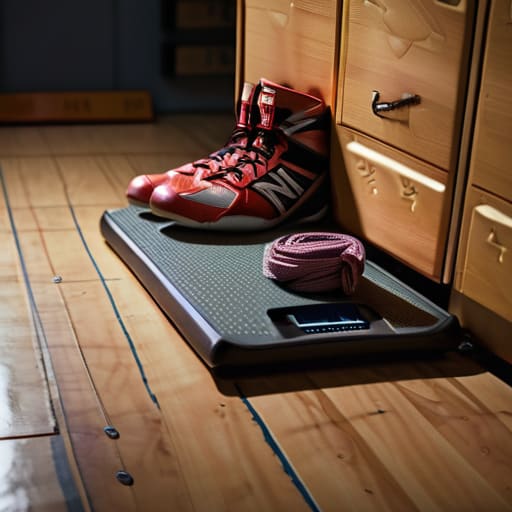
If you want to master your weight class, you have to stop treating the scale like a random occurrence and start treating it like a data point. I tell my athletes that daily weigh-in consistency isn’t about obsessing over a number; it’s about spotting trends before they become problems. If you only step on the scale once a week, you’re flying blind. You won’t know if a sudden jump is actual tissue gain or just a spike in water retention from a heavy sodium meal.
By checking in every morning under the same conditions—ideally right after you wake up and use the restroom—you build a baseline. This habit is the foundation of effective weight class management for wrestlers because it removes the panic. When you see a steady, slow creep upward, we can adjust your macros immediately. When you see a sudden drop, we know we need to look at your recovery or caloric intake. We aren’t looking for perfection; we are looking for predictable patterns that allow us to train hard without the last-minute scramble.
Muscle Mass vs Fat Loss in Combat Sports

Here is where a lot of athletes trip up. I’ve seen so many wrestlers obsess over the number on the scale while completely ignoring what that number is actually made of. When we talk about muscle mass vs fat loss in combat sports, the goal isn’t just to be lighter; it’s to be more powerful at your specific weight. If you’re dropping weight but your strength is cratering and your explosiveness is gone, you aren’t “making weight”—you’re just making yourself weaker.
You have to understand that a scale cannot distinguish between a pound of lean tissue and a pound of fat. This is why I advocate for a more holistic approach. Instead of just chasing a lower number, focus on maintaining your strength standards while slowly leaning out. If you’re losing power on the mat, you’re likely losing muscle, which is a massive red flag. We want to optimize your body composition so that when you step onto that mat, you aren’t just hitting a weight requirement, you’re bringing a functional, high-performance engine to the fight.
Smart Tracking: 5 Ways to Manage Your Weight Without Losing Your Mind
- Track your trends, not your daily fluctuations. Your weight is going to bounce around based on salt intake, stress, and hydration; stop obsessing over the decimal point and look at the weekly average to see where you’re actually headed.
- Use body composition as your compass. If the scale stays the same but your strength in the gym is climbing and your waist measurement is dropping, you’re winning—don’t let a static number trick you into thinking you aren’t progressing.
- Log your biofeedback alongside the numbers. If your weight is dropping but your sleep is trashed and your training intensity is tanking, you aren’t “getting lean,” you’re under-fueling and heading for a crash.
- Prioritize hydration status over total mass. In wrestling, a sudden drop in weight is often just dehydration, which is a recipe for a bad weigh-in and a terrible performance; learn to distinguish between fat loss and fluid loss.
- Set “red flag” thresholds. Decide ahead of time what weight range is safe for your training cycle so that if you hit a certain low, you know it’s time to increase your caloric intake rather than cutting even harder.
The Bottom Line: Training for Performance, Not Just a Number
Stop chasing a specific number on the scale and start tracking how your weight affects your output; if you’re hitting your marks but feeling weak on the mats, your approach needs to change.
Use daily weigh-ins as a data point for consistency, not a tool for self-criticism—the goal is to spot trends early so you can adjust your fuel, not to punish yourself for a fluctuation.
Prioritize preserving lean muscle through heavy lifting and adequate protein, because being “on weight” means nothing if you don’t have the strength to finish the third period.
## Data Over Drama
“Stop looking at the scale like it’s a moral compass telling you if you’re a good or bad athlete; treat it like a training log. It’s just raw data to help you dial in your fueling so you can step onto the mat feeling powerful, not depleted.”
Tamsin Broadhurst
The Bottom Line on Weight and Performance

At the end of the day, wrestling weight monitoring isn’t about obsessing over a number on a scale or punishing yourself for what you ate. It’s about the data you collect to make smarter decisions. By staying consistent with your daily weigh-ins and understanding the nuance between losing fat and stripping away much-needed muscle, you turn a stressful chore into a strategic advantage. You’re not just chasing a weight class; you are learning how to manage your body’s resources so that when you step onto that mat, you are fully fueled and ready to compete, rather than just trying to survive the cut.
Remember, the goal of all this discipline is to build a version of yourself that is capable, resilient, and strong. Don’t let the numbers strip away your confidence or your passion for the sport. We train to be dangerous on the mat, not just light on our feet. Use these tools to master your physiology, but never forget that true strength is a skill built through the grind of every single session. Keep your head up, keep your electrolytes flowing, and train to be a powerhouse, not just a number on a weigh-in sheet.
Frequently Asked Questions
How do I know if I'm losing too much muscle mass during a weight cut instead of just body fat?
Watch your performance, not just the numbers. If your strength in the squat rack or your explosiveness on the mats starts tanking, you’re likely burning through muscle, not just fat. Also, keep an eye on your recovery; if you’re feeling chronically weak and sluggish, your deficit is too aggressive. We want to cut weight, not capability. If you can’t hit your usual intensity, back off the calories and prioritize protein.
Should I be weighing myself at the same time every day, or does the timing actually matter for my training?
Timing matters more than you think. If you’re weighing yourself after a heavy lifting session and then again after a fasted morning run, you’re just chasing noise. To get a real read on your progress, pick a window and stick to it—ideally first thing in the morning, after using the restroom, and before you touch a drop of water. Consistency in timing is how we separate actual physiological changes from simple daily fluctuations.
What are some signs that my weight monitoring is becoming unhealthy rather than just being disciplined?
Listen, there’s a thin line between discipline and obsession. If you’re skipping social events because you’re terrified of a scale reading, or if your mood tanks every time the number doesn’t move, you’ve crossed it. Watch for signs like constant fatigue, irritability, or obsessing over every single calorie. If the monitoring starts dictating your life instead of supporting your training, it’s no longer a tool—it’s a red flag. Stop and recalibrate.
