
I remember sitting on the edge of a sweat-soaked wrestling mat back in my early twenties, lungs burning and feeling like my limbs were made of lead. I was doing everything “right”—the programming was solid, the diet was disciplined—but I just couldn’t get the intensity I needed to push through those final, grueling rounds. I spent way too much time listening to supplement reps try to sell me expensive, neon-colored pre-workouts that promised the world but delivered nothing but a jittery crash. They made it sound like nitric oxide was some magic, proprietary secret hidden in a fancy tub, when in reality, it’s just a fundamental physiological tool for blood flow and oxygen delivery that we often overlook in favor of flashy marketing.
I’m not here to sell you a miracle pill or a complex chemical equation you can’t use. My goal is to cut through the noise and show you how to actually leverage nitric oxide to support your training and recovery. We’re going to focus on science-backed ways to optimize your performance through real nutrition and smart movement. I promise to give you the straight truth on how to fuel your body so you can stop just “getting through” your workouts and start actually mastering them.
Table of Contents
Understanding Nitric Oxide Production in the Body
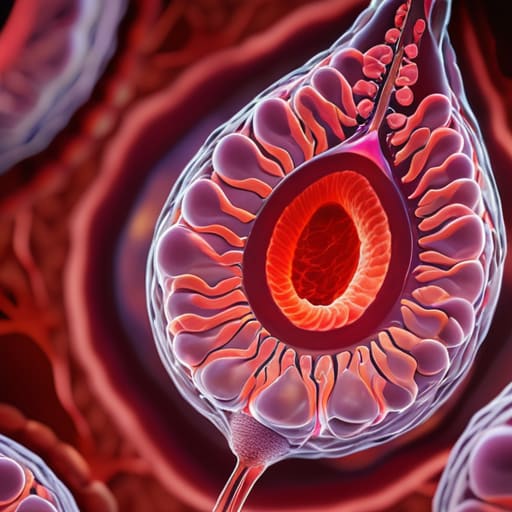
So, how does this actually work under the hood? You aren’t just swallowing a pill and magically getting better blood flow; your body has to do the heavy lifting. Most of the time, your vascular system relies on the endothelium—the thin layer of cells lining your blood vessels—to trigger the vasodilation mechanism. When your body senses a need for more oxygen during a heavy squat set or a grueling wrestling drill, these cells release the gas to relax your vessels, widening the path for nutrient-rich blood to reach your working muscles.
If you want to optimize this process, you have to look at what you’re putting on your plate. I’m a big believer in using dietary nitrates for performance because they provide the raw materials your body needs to keep that production line moving. Whether you’re sourcing them from leafy greens or looking into specific nitric oxide precursors, the goal is the same: providing the fuel so your cardiovascular system doesn’t redline too early. It’s not about a quick fix; it’s about supporting the biological machinery that makes your training possible.
The Vasodilation Mechanism Fueling Every Movement

To understand why this matters in the gym or on the mats, you have to look at the vasodilation mechanism in action. When your body produces this gas, it signals the smooth muscles in your blood vessel walls to relax. Think of it like widening a narrow hallway into a massive corridor; suddenly, there’s much more room for traffic to flow. This isn’t just some abstract biological concept—it is the literal process that allows oxygen and vital nutrients to reach your working muscles with less resistance.
When I’m coaching a heavy lifting session or a high-intensity wrestling drill, I want my athletes to have that capacity for sustained output. By supporting endothelial function improvement, you’re essentially upgrading your body’s internal plumbing. This means better blood flow during those grueling final sets when your lungs are burning and your muscles are screaming for more. Instead of hitting a wall early, a more efficient delivery system helps you maintain the intensity required to actually build that skill-based strength we talk about.
Practical Ways to Keep Your Nitric Oxide Levels on Point
- Eat your nitrates. I’m not talking about the stuff in processed deli meats; I mean leafy greens and beets. If you want that natural boost in blood flow before a heavy lifting session or a wrestling drill, grab a beet juice or a massive spinach salad. It’s the most direct way to give your body the raw materials it needs.
- Don’t skip the high-intensity intervals. While steady-state cardio is great for recovery, short bursts of intense effort create shear stress on your blood vessel walls. That stress actually signals your endothelium to produce more nitric oxide. Think of it as training your vessels to be as reactive as your muscles.
- Watch your mouthwash usage. This sounds weird, but if you’re using those heavy, antibacterial mouthwashes every single day, you might be killing the good bacteria in your mouth that help convert nitrates into nitric oxide. I’m all for hygiene, but don’t overdo it if you’re serious about your performance.
- Prioritize L-arginine and L-citrulline through real food. You don’t need a cabinet full of neon-colored supplements to get this right. Watermelon is a powerhouse for citrulline, and nuts or seeds can help with arginine. It’s about fueling the movement, not just chasing a pump with a pill.
- Manage your stress to protect your vessels. High cortisol levels are a silent killer for vascular health. If you’re constantly redlining your nervous system without any restorative work—like the yoga I do—your ability to manage vasodilation is going to tank. You can’t build strength if your body is stuck in a constant state of fight-or-flight.
The Bottom Line: Making Nitric Oxide Work for You
Stop viewing nitric oxide as a supplement gimmick; see it as a physiological necessity that dictates how efficiently your blood delivers oxygen to your working muscles.
Focus on sustainable ways to boost production—like leafy greens and consistent movement—rather than chasing quick fixes that don’t support long-term performance.
When your vasodilation is dialed in, you aren’t just lifting heavier; you’re improving your body’s ability to recover and stay capable for the next session.
## Performance is a Physiological Game
“Stop viewing nitric oxide as some magic supplement hack and start seeing it for what it actually is: the biological infrastructure that allows your muscles to actually access the oxygen and nutrients they need to survive a heavy set or a grueling round on the mats.”
Tamsin Broadhurst
Making It Work for You

At the end of the day, understanding nitric oxide isn’t about memorizing complex biochemistry; it’s about recognizing a tool that supports your physical output. We’ve looked at how your body produces this molecule and how its ability to trigger vasodilation ensures that oxygen and nutrients actually reach your working muscles when the pressure is on. Whether you are hitting a heavy squat session or grinding through a wrestling drill, your cardiovascular efficiency relies on this constant flow of fuel. Don’t view nutrition or supplementation as a way to cheat the system, but rather as a way to optimize the biological machinery you already possess.
I don’t care about chasing trends or looking a certain way for the sake of a mirror. I care about whether you have the capacity to move, recover, and show up for yourself day after day. Strength is a skill, and every small adjustment you make to your physiological support—from your diet to your recovery—is a deposit into that long-term bank account. Use what you know about nitric oxide to fuel your movement and push your boundaries, but remember that consistency is the real driver of progress. Now, stop reading, grab your electrolytes, and get to work.
Frequently Asked Questions
Can I actually get enough nitric oxide from my diet alone, or do I need to look into supplements to see a real difference in my training?
Look, if you’re eating a diet rich in leafy greens and beets, you’re already doing the work. For most of my athletes, hitting those micronutrient targets provides a solid foundation. But if you’re prepping for a heavy lifting block or a high-intensity wrestling session, a supplement can be a game-changer. It’s not about replacing real food; it’s about using targeted tools to bridge the gap when you need that extra edge in performance.
Will increasing my nitric oxide levels actually help with my recovery between heavy lifting sessions and wrestling matches?
Short answer: Yes, but don’t expect it to be a magic pill. Think of nitric oxide as a way to optimize your internal logistics. By improving blood flow through vasodilation, you’re essentially speeding up the delivery of nutrients and oxygen to those fatigued muscle fibers while helping clear out metabolic waste more efficiently. It won’t replace sleep or proper fueling, but it definitely gives your body a better toolkit to bounce back between heavy sets or intense rounds on the mat.
Are there specific foods or training habits that might accidentally tank my nitric oxide levels when I'm trying to push my performance?
Watch out for excessive mouth breathing during your sessions. It sounds minor, but you’re missing out on the nitric oxide produced in your nasal passages, which is crucial for oxygen uptake. Also, keep an eye on your processed food intake. High-sugar diets and heavy consumption of artificial additives can trigger inflammation that messes with your vascular health. If you’re constantly fighting systemic inflammation, you’re essentially fighting an uphill battle against your own circulation.
