
I still remember the smell of stale sweat and old rubber mats in the wrestling room where I spent my early twenties, feeling the sharp, sickening pop in my shoulder during a poorly executed takedown. Back then, I thought “pushing through the pain” was the only way to earn respect, but that mindset is exactly why so many people end up sidelined. Most of the advice you see online about strength training injury prevention is either some overpriced, complicated mobility routine or a bunch of fluff that doesn’t account for how we actually move when we’re under a heavy load. You don’t need a subscription to a fancy app or a dozen different gadgets to stay safe; you need to understand how your body actually functions under tension.
I’m not here to sell you on a miracle cure or a complicated ritual. Instead, I’m going to give you the straight truth based on my years in the gym and my background in exercise science. We’re going to focus on building resilience through intentional movement and smart programming so you can keep lifting heavy for years, not just weeks. My goal is to help you master strength training injury prevention by treating it as a skill you practice, ensuring you stay capable and consistent rather than just chasing a number on a plate.
Table of Contents
Mastering Proper Lifting Form for Long Term Capability

Look, I’ve seen it a hundred times in the gym: someone walks in with a massive ego and a tiny range of motion, trying to move weight they haven’t earned yet. They think they’re being tough, but they’re actually just begging for a sidelined season. If you want to actually stay in the game, you have to prioritize proper lifting form over the number on the plates. It’s not about ego; it’s about mechanics. When your technique breaks down, you aren’t training your muscles anymore—you’re just grinding your joints.
I always tell my athletes that movement quality is the foundation of everything we do. You can’t build a skyscraper on a swamp, and you can’t build elite strength on shaky, compensational movements. This is why I integrate mobility training for lifters into almost every session. It isn’t just about being flexible; it’s about having the control to access the full range of motion required for a heavy squat or a clean pull. If you can’t control the weight through the entire movement, you aren’t ready for that weight. Period.
Why Warm Up Routines for Weightlifting Are Non Negotiable
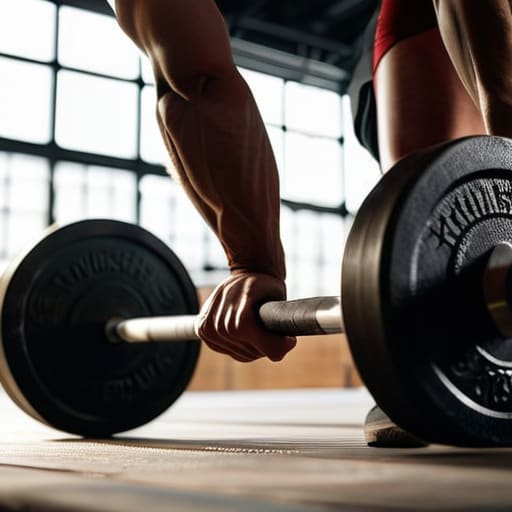
I’ve seen it a hundred times in the trenches: someone walks into the gym, skips the prep, and goes straight for their working sets. It’s a recipe for disaster. I used to think I could just jump into heavy singles, but my wrestling background taught me that you can’t expect a cold engine to run at full throttle. Warm up routines for weightlifting aren’t just about “getting warm”; they are about waking up your nervous system and ensuring your joints are lubricated and ready for the load.
If you’re neglecting this phase, you’re essentially asking your body to perform under duress without any preparation. I prioritize mobility training for lifters because it bridges the gap between being stiff and being functional. We aren’t just moving weight from point A to point B; we are teaching our muscles to stabilize under tension. A solid warm-up primes your mechanics, making sure that when you finally hit those heavy sets, your body actually knows how to support the weight. Don’t treat your prep like an afterthought—treat it like the foundation of your entire session.
The Non-Negotiables: 5 Ways to Stay in the Game
- Respect your RPE. I see so many people trying to hit a specific number on a spreadsheet even when their body is screaming “not today.” If your technique starts to degrade because you’re chasing a PR, drop the weight. Strength is built on quality, not just ego.
- Prioritize unilateral work. In wrestling, you’re rarely standing on two perfectly balanced feet, and the same goes for lifting. Incorporating single-leg deadlifts or lunges builds the stability you need to prevent those nasty compensations that lead to joint pain.
- Don’t ignore the “boring” stuff like mobility. You can have all the muscle in the world, but if you lack the range of motion to hit a deep squat properly, you’re just asking for lower back issues. Think of mobility as the grease for your movement gears.
- Fuel for recovery, not just performance. If you’re training hard but skimping on protein and electrolytes, you aren’t just tired—you’re vulnerable. An under-fueled body is a brittle body, and brittle bodies break under load.
- Listen to the difference between “good” soreness and “bad” pain. Muscle fatigue is part of the process, but sharp, localized, or radiating sensations are your body’s way of pulling the emergency brake. Learn to distinguish them so you don’t turn a minor tweak into a six-month setback.
The Bottom Line: Building a Body That Doesn't Break
Stop treating your recovery like an afterthought; muscle is built in the gym, but resilience is forged through intentional rest and proper fueling.
Prioritize movement quality over the number on the plate, because a heavy lift doesn’t count if it’s compromising your joints.
Consistency is your greatest tool for injury prevention, so focus on showing up and doing the work correctly rather than chasing ego-driven milestones.
Training for Longevity
“Stop treating injury prevention like an afterthought or a chore you squeeze in at the end of a session. If you aren’t training with the intention to stay in the game, you aren’t actually training—you’re just gambling with your mobility.”
Tamsin Broadhurst
Building a Foundation That Lasts

At the end of the day, injury prevention isn’t about avoiding the gym; it’s about showing up with a plan that respects your biology. We’ve talked about why you can’t skip that warm-up, why your form has to be non-negotiable, and why training with intention matters more than just hitting a specific number on a plate. If you focus on these pillars—mobility, technique, and progressive loading—you aren’t just avoiding a setback; you are actively building a more resilient version of yourself. Don’t let ego drive your training sessions. Listen to your body, prioritize the mechanics, and treat your recovery with the same respect you give your heavy sets.
Strength is a marathon, not a sprint, and the goal is to be just as capable ten years from now as you are today. Whether you’re stepping onto a wrestling mat or just trying to hit a new PR in the squat rack, remember that consistency is your greatest superpower. We don’t train to look a certain way; we train to be able to do hard things without breaking. So, grab your electrolytes, keep your head in the game, and go out there and build something that lasts. You’ve got the tools—now go put in the work.
Frequently Asked Questions
How do I know if I'm actually training with good form or if I'm just ego-lifting to hit a certain number?
The easiest way to tell? Check your control. If you’re using momentum to cheat the weight up, or if you have to “hitch” the bar to get it moving, you aren’t lifting it—it’s lifting you. Real strength feels stable. If you can’t pause for a split second at the bottom of a rep without your body shaking or collapsing, you’ve crossed the line from training to ego-lifting. Drop the weight and reclaim your technique.
If I'm feeling a little bit of soreness, should I push through it or is that a sign I'm headed for an injury?
Here’s the deal: there’s a massive difference between DOMS (delayed onset muscle soreness) and actual pain. If it’s that dull, achy feeling in the muscle belly that shows up a day later, you’re fine—it’s just part of the adaptation process. But if you feel sharp, stabbing, or localized pain in a joint or tendon, stop immediately. Don’t mistake “discomfort” for “progress.” Listen to your body; pushing through bad pain isn’t grit, it’s just bad math.
How much should I actually be focusing on mobility work versus just sticking to my heavy lifting sessions?
Look, I see this mistake all the time: people treat mobility like an afterthought or something they’ll “get to” if they have time left. Here’s the reality—mobility isn’t a separate task; it’s the foundation that allows your heavy lifting to actually work. If you can’t hit depth in a squat because your hips are locked up, you aren’t training strength, you’re just compensating. Aim for a 4:1 ratio. Prioritize the heavy sessions, but weave intentional movement into your daily rhythm.
